America just endured its first presidential election in which the majority of the electorate got its news from social media. And the outcome is already prompting soul searching by the companies that shaped it. Facebook Inc. will have to contend with mounting dissatisfaction over its role as the most widely used news filter in history. Forty-four per cent of American adults get their media through the site, many consuming news from partisan sources with which they agree. The proliferation of fake news on Facebook has also been a problem, despite refutations from responsible news organisations. Those stories shaped public opinion, said Ed Wasserman, dean of the University of California, Berkeley Graduate School of Journalism. “This is a landmark,” he said. “Trump was able to get his message out in a way that was vastly influential without undergoing the usual kinds of quality checks that we associate with reaching mass public. You had a whole set of media having influence without really having authority. And the media that spoke with authority, the authority that comes after careful fact checking, didn’t really have the influence.” (Sarah Frier/Bloomberg)

 Abu Dhabi boosts transparency, governance in real estate sector
 Dr. Sultan Al Jaber dedicates leadership award to UAE President, frontline workers
 Dubai achieves highest-ever ranking in Global Financial Centres Index
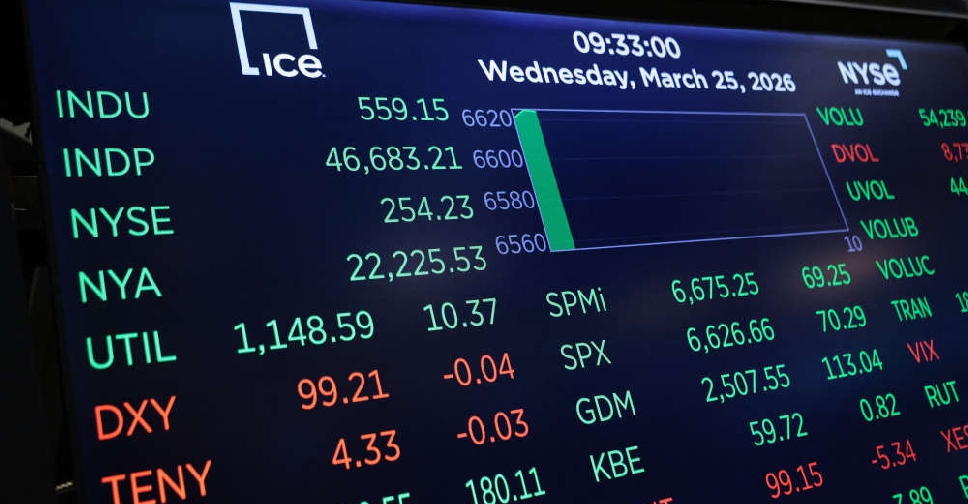 Stocks gain with oil prices easing on optimism from possible ceasefire talks
 Australia moves to double fines for fuel gouging amid shortages