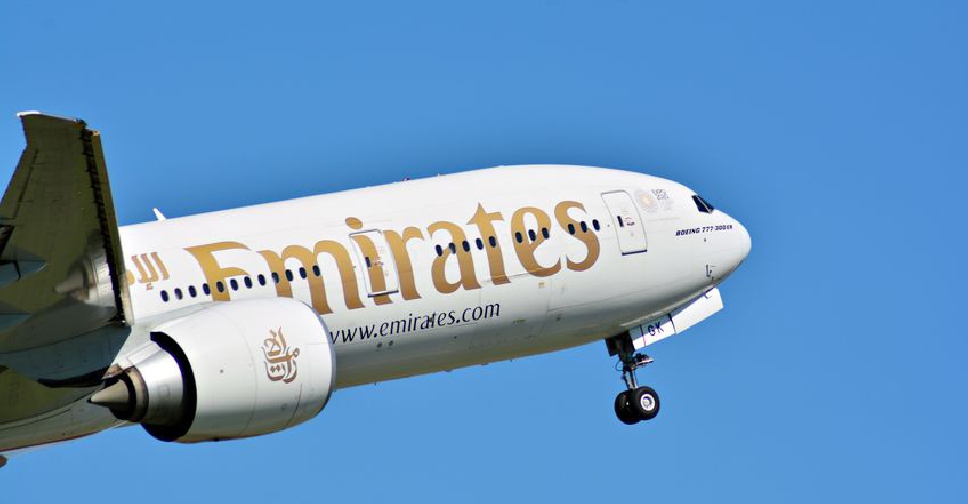
Emirates is set to receive its first Airbus A350 aircraft in October, with a total of five Airbus aircraft expected to be delivered to the airline by the end of 2024.
Adel Alredha, Deputy President and Chief Operations Officer - Emirates Airline, said on the sidelines of the first edition of Dubai AI and Web3 Festival that the airline will receive five Airbus aircraft by the end of December this year, while no Boeing aircraft have been received so far.
He added: ''Due to delays in aircraft deliveries, we have had to extend the service of some of our current aircraft.''
Alredha also said the company's aircraft retrofit programme covers 190 aircraft, following an increase in the number of aircraft targeted for modernisation, according to a plan that costs over $3 billion (AED 11 billion).
Alredha explained that the delivery challenges date back years, as many companies involved in aircraft manufacturing were affected during the COVID-19 pandemic, either by reducing production or laying off a percentage of their workforce.
As a result, the demand for air travel was very high, exceeding these companies' ability to meet market demands and reorganise their operations effectively.
Dr. Sultan Ahmed Al Jaber, UAE Minister of Industry and Advanced Technology, ADNOC Managing Director and Group CEO, and Executive Chairman of XRG, has received the 2026 Distinguished Global Leadership Award from the Washington D.C.-based Middle East Institute (MEI).
Dubai has achieved its highest ever ranking in the Global Financial Centres Index (GFCI), climbing to seventh place, underscoring the emirate’s rise as one of the world's most influential financial hubs and its importance in the global financial system.
Global equity markets, including from the U.S., Europe and Asia, rose while oil prices fell on Wednesday, as traders cheered news of ceasefire proposals to de-escalate the ongoing conflict in the Middle East.
Australia's centre-left government has introduced legislation in the parliament to double penalties for fuel price gouging on Wednesday as global supply disruptions due to the Iran war triggered fuel shortages in some rural regions.
Gulf markets ended mixed on Tuesday, with Qatar extending losses while other bourses steadied as investors parsed conflicting signals on potential US-Iran talks.

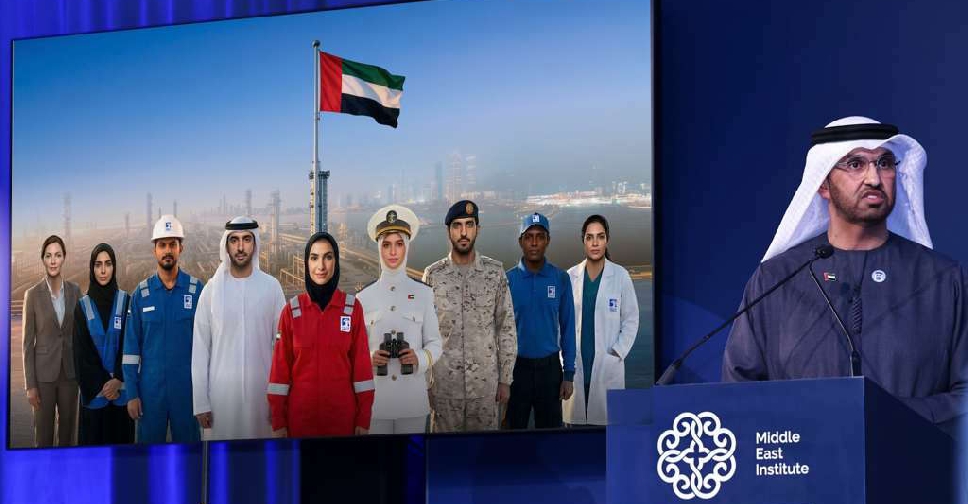 Dr. Sultan Al Jaber dedicates leadership award to UAE President, frontline workers
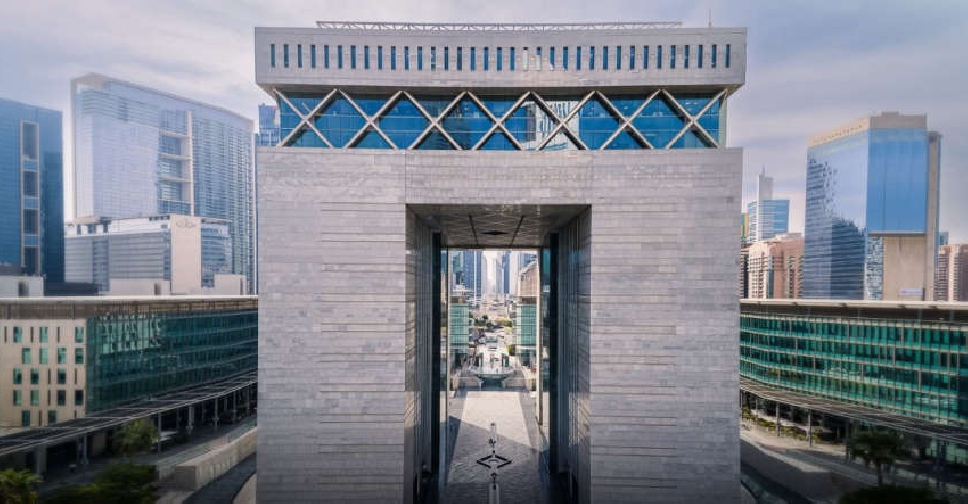 Dubai achieves highest-ever ranking in Global Financial Centres Index
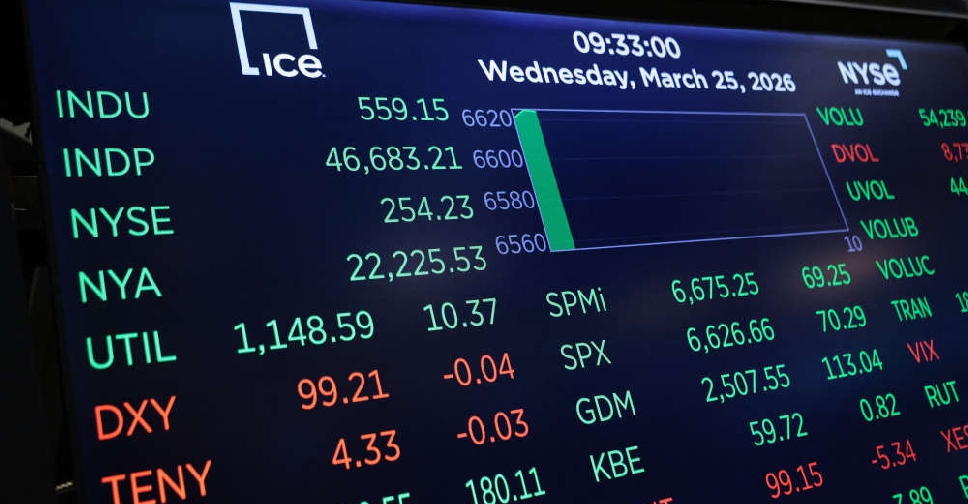 Stocks gain with oil prices easing on optimism from possible ceasefire talks
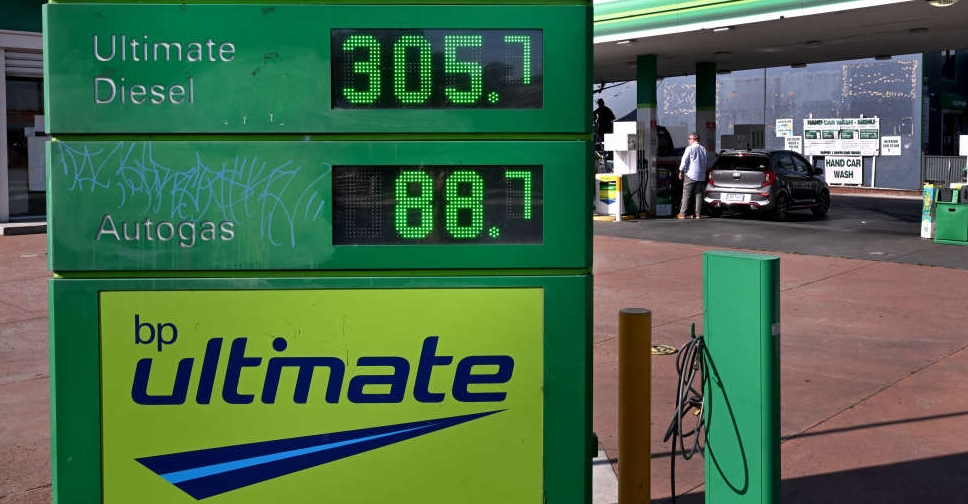 Australia moves to double fines for fuel gouging amid shortages
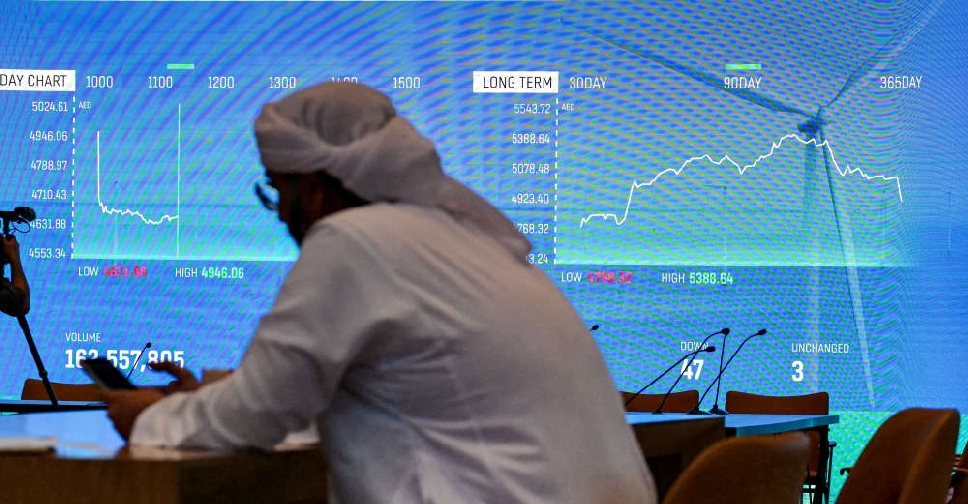 Gulf stocks mixed amid confusion over US-Iran talks