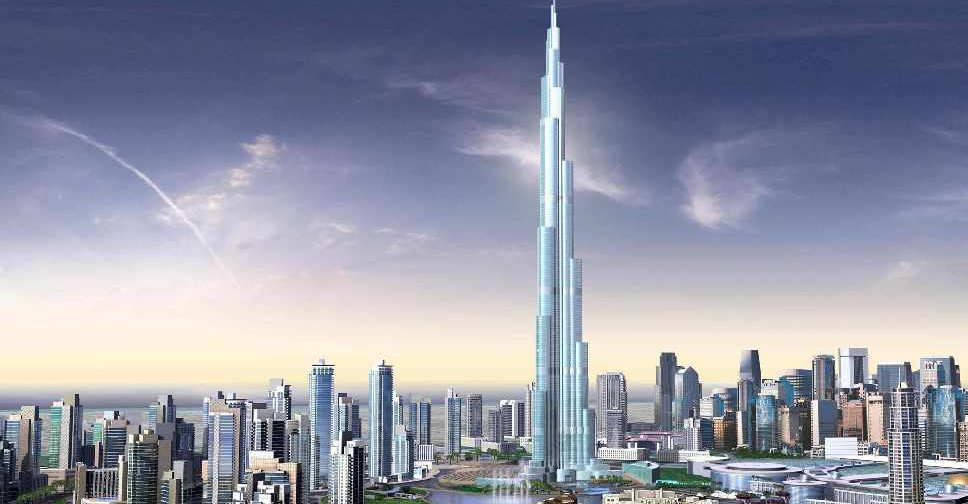
Real estate transactions worth AED 3.89 billion were registered in Dubai during the week ending October 1.
That's according to figures released by the Dubai Land Department.
There were 1,732 transactions in total - 182 plots were sold for AED 1.21 billion, while 1,140 apartments and villas were sold for AED 1.56 billion.
The top transaction was a land in Marsa Dubai which was sold for AED 250.2 million.
Al Hebiah Third recorded the most number of transactions during the period (19 sales transactions worth AED 48.17 million), followed by Hadaeq Sheikh Mohammed Bin Rashid (15 sales transactions worth AED 104.89 million), and Al Thanayah Fourth with 13 sales transactions worth AED 123 million.
The top three residential transfers were an apartment in Burj Khalifa (AED 221 million), followed by one in Al Merkadh (AED 199 million), and another in Al Khairan First (AED 182 million).
The sum of the amount of mortgaged properties for the week was AED 843 million, with the highest being a land in Al Barsha South Second, mortgaged for AED 129 million.
#Dubai Land Department executes real estate transactions worth AED 3.89 billion this week. pic.twitter.com/0UVDPH6oxz
— Dubai Media Office (@DXBMediaOffice) October 2, 2020


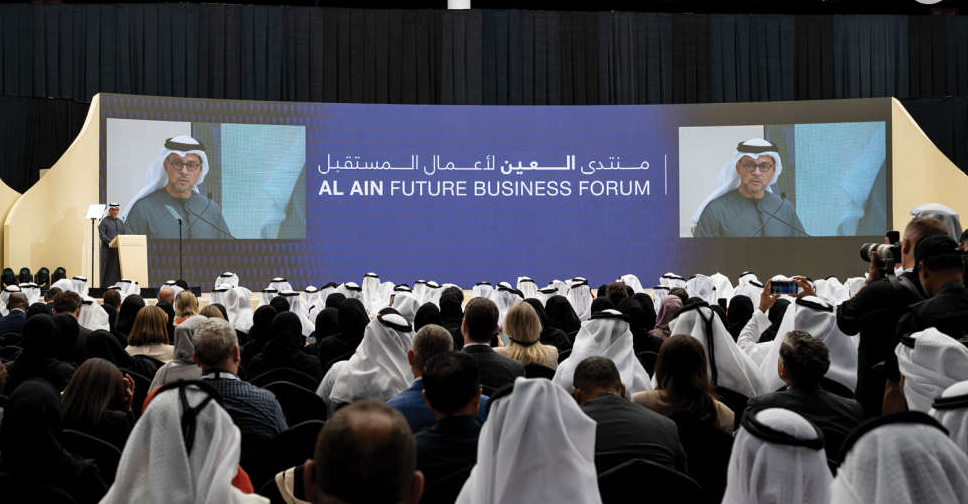 Eleven agreements signed at Al Ain Future Business Forum
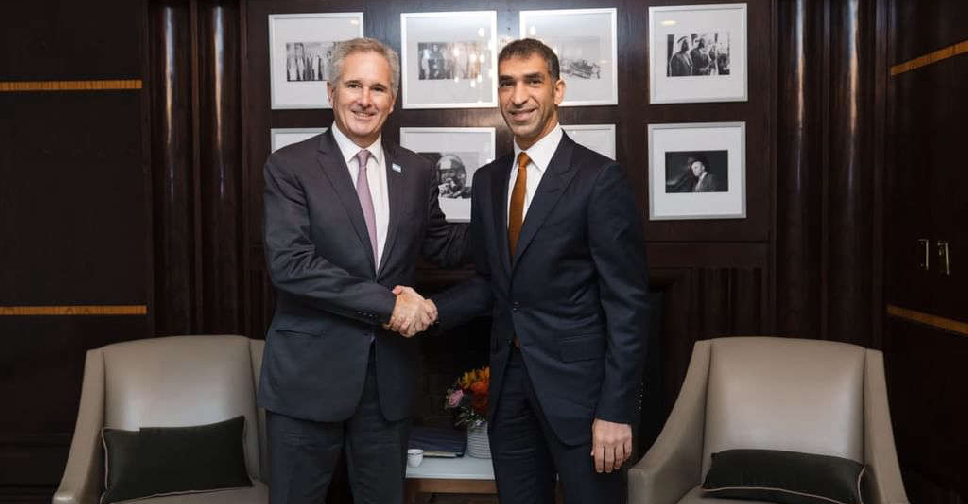 UAE, Argentina launch CEPA negotiations
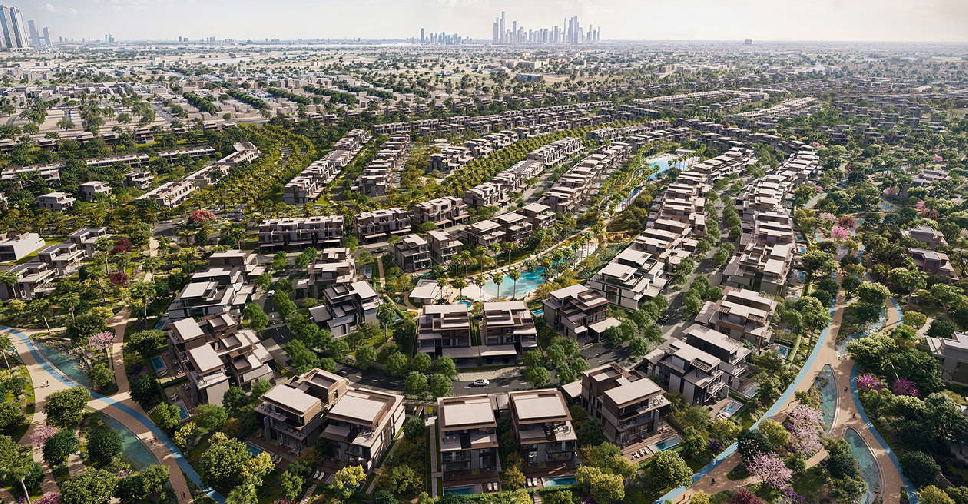 Meraas awards AED 1 billion contract for Nad Al Sheba Gardens expansion
 Meta launches AI gadget Charm as race for post-smartphone hardware heats up
 UAE Central Bank sanctions Bank Melli Iran over compliance breaches