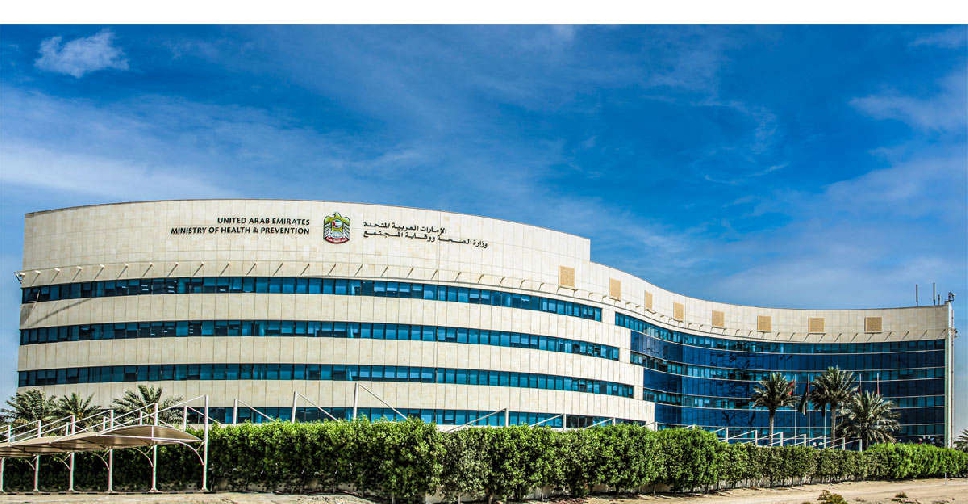
A major national survey, released by the Ministry of Health and Prevention (MoHAP), has found large numbers of adults in the UAE are not getting enough physical activity, while obesity, high blood pressure and high cholesterol remain widespread.
The findings come from the National Health and Nutrition Survey 2024–2025, which was conducted in collaboration with federal and local partners and endorsed by the World Health Organisation (WHO).
The survey provides the most comprehensive snapshot to date of population health in the UAE and is intended to guide preventive care, health policy and long-term planning.
Key health findings among adults aged 18 and over, the survey found that:
59 per cent do not engage in sufficient physical activity
22.4 per cent are living with obesity
25.9 per cent have high blood pressure
54.2 per cent have high cholesterol
12.5 per cent have elevated blood glucose levels
8.7 per cent are smokers
Vitamin D deficiency was also identified as a significant concern, affecting nearly half of adults and more than two-thirds of children aged 6 to 17.
Diet and nutrition trends
The National Nutrition Survey, conducted alongside the health assessment, showed high levels of sugar and salt consumption:
96 per cent exceeded recommended sodium intake
27 per cent consumed more sugar than advised
More than a quarter reported drinking sugary beverages daily
At the same time, the survey recorded encouraging results in dietary diversity, particularly among women of child-bearing age and young children.
Children and maternal health
Childhood obesity was found in 16.1 per cent of children aged 6 to 17, compared with 2.2 per cent among children under five.
Maternal health indicators showed strong access to care, with almost all women attending at least one antenatal visit, and nearly 95 per cent completing four or more check-ups during pregnancy.
Guiding future health policy
Health Minister Ahmed Al-Sayegh said the findings provide a clear, evidence-based picture of population health trends and reinforce the importance of prevention and early intervention.
Officials said advanced digital tools and WHO-approved methodologies were used to analyse the data, strengthening its value for future planning and policy evaluation.
The survey reached 20,000 households across the UAE, including citizens, residents and workers’ accommodation, making it one of the largest health data exercises ever conducted in the country.
Authorities say the results will help shape targeted health strategies, support family wellbeing initiatives, and contribute to the UAE’s long-term goals under the UN Sustainable Development Goals and the UAE Centennial 2071 vision.

 Prada layers winter jackets over light dresses at Milan show
 Sportswear brand On launches South Korea robot factory to tackle supply chain risk
 Al Fahidi Fort to reopen after major restoration project
 Dubai’s Museum of the Future reaches five million visitors since opening
 Michael Kors brings 'New York chic' to NY Fashion Week