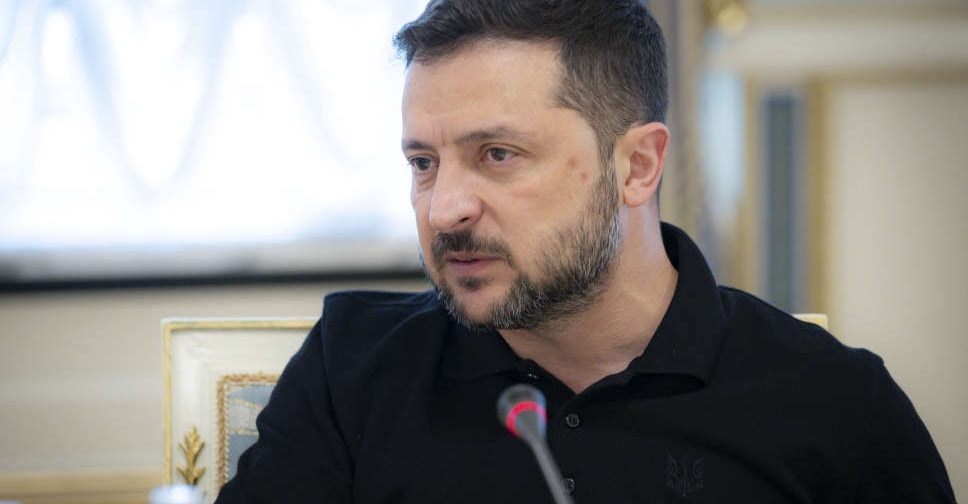
Ukrainian President Volodymyr Zelenskyy said Kyiv would like a "strong reaction" from Washington if Russian President Vladimir Putin was not willing to sit down for a bilateral meeting with him.
US President Donald Trump is seeking to broker peace between the two warring countries but has conceded that Putin, with whom Zelenskyy has sought a one-on-one sitdown, may not be willing to make a deal.
"I responded immediately to the proposal for a bilateral meeting: we are ready. But what if the Russians are not ready?" Zelenskyy said in comments released on Thursday from a briefing with reporters in Kyiv a day earlier. "If the Russians are not ready, we would like to see a strong reaction from the US."
Despite a flurry of diplomacy in recent days between Trump and his Russian and Ukrainian counterparts, the path to peace remained uncertain as Washington and allies worked out what security guarantees for Kyiv might look like.
Russia launched a full-scale invasion of Ukraine in February 2022 and now holds just under 20 per cent of its neighbour, making gradual advances in the east of late though the conflict has become largely attritional.
Zelenskyy said it was unclear what concessions regarding territory Moscow was willing to make to end the war. Trump has previously said Kyiv and Moscow will both need to cede land. "To discuss what Ukraine is willing to do, let's first hear what Russia is willing to do," he said. "We do not know that."
Responding to a question about the Hungarian capital Budapest serving as a potential location for future Ukrainian-Russian talks, Zelenskyy said it would be "challenging".
Hungary, Russia's closest ally in the European Union, has twice offered to host peace talks between Russia and Ukraine, Foreign Minister Peter Szijjarto said on Thursday.

 US military to begin Iran maritime blockade on Monday
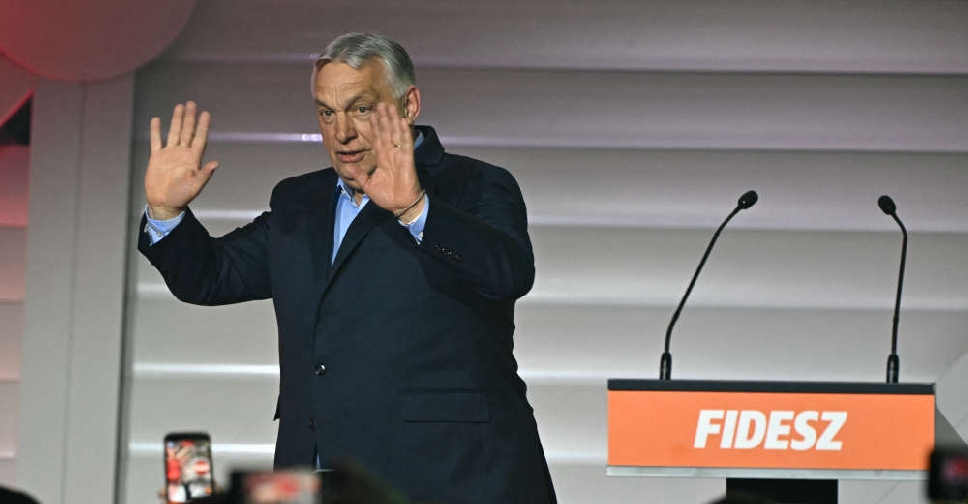 Hungary's Orban concedes landmark election defeat
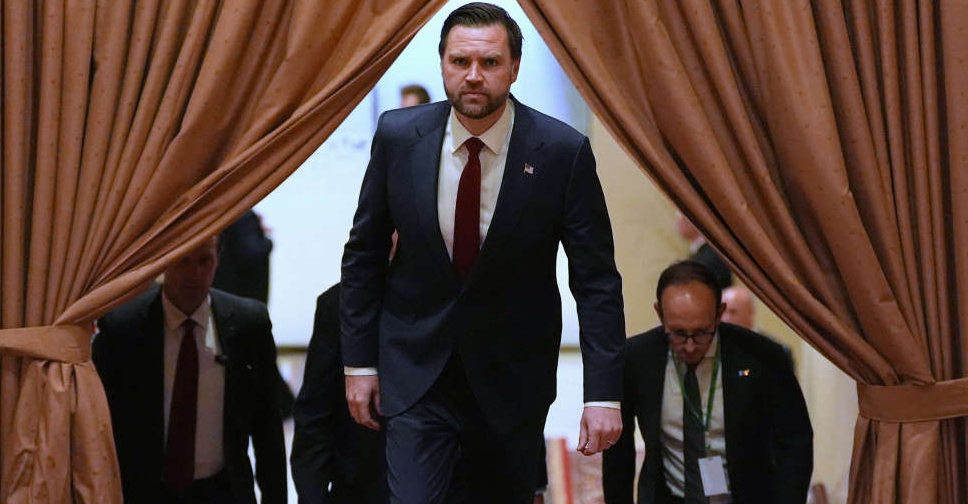 Trump vows to blockade Strait of Hormuz after Iran peace talks stumble
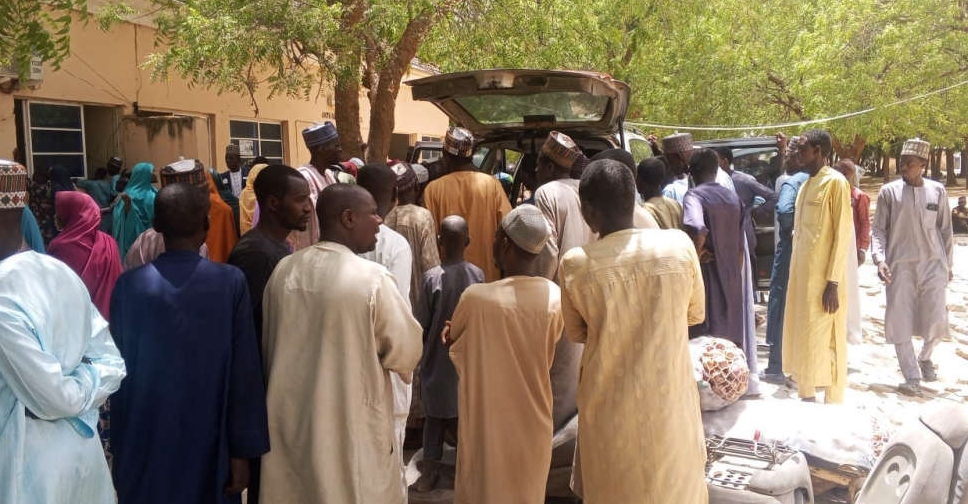 Nigerian airstrike hits market, 200 feared dead
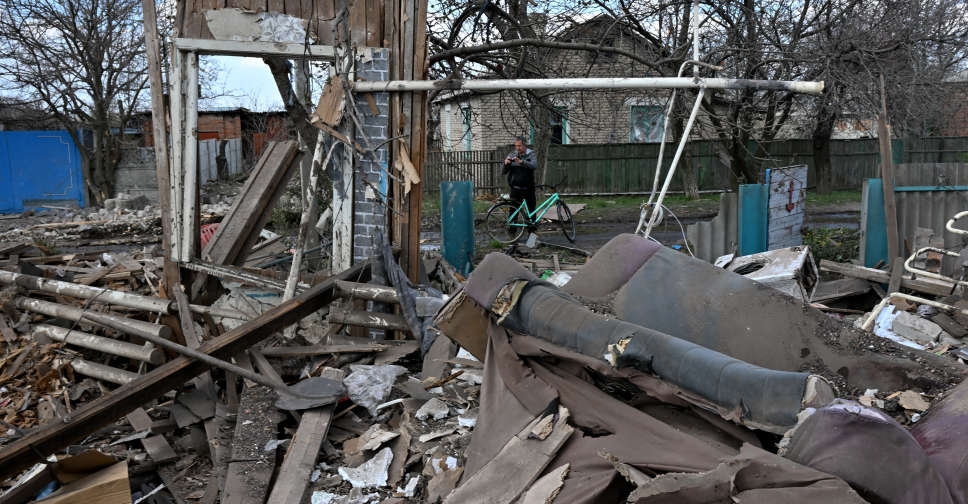 Russia, Ukraine trade accusations of ceasefire violations