Judges at the World Court have ordered Azerbaijan to let ethnic Armenians who fled Nagorno-Karabakh in September return, and to keep the Armenians remaining in the enclave safe, as part of a set of emergency measures.
Azerbaijan in September recaptured the region, then controlled by its ethnic Armenian majority despite being internationally recognised as part of Azerbaijan.
The lightning offensive, after decades of enmity between Baku and Yerevan and a nine-month blockade of essential supplies by Baku, prompted the mass exodus of most of the region's 120,000 ethnic Armenians to neighbouring Armenia.
Yerevan accused Azerbaijan of ethnic cleansing and asked the International Court of Justice, as the World Court is formally known, to issue emergency measures aimed at protecting the rights of ethnic Armenians from Nagorno-Karabakh.
"Azerbaijan must (...) ensure that persons who have left Nagorno-Karabakh after Sept. 19, 2023, and who wish to return to Nagorno-Karabakh are able to do so in a safe, unimpeded and expeditious manner," presiding judge Joan Donoghue said.
The court said Azerbaijan must also make sure any ethnic Armenians still living in the enclave were "free from the use of force or intimidation that may cause them to flee" and ordered that Baku report to the court in two months to show what it was doing to comply with the order.
Azerbaijan's foreign ministry said it had already pledged to ensure all residents’ safety and security, regardless of national or ethnic origin, and that it had not forced the ethnic Armenians to leave Karabakh.
"Azerbaijan is committed to upholding the human rights of the Armenian residents of Karabakh on an equal basis with other citizens of Azerbaijan," it said in a statement.
The measures are part of two competing legal disputes between Armenia and Azerbaijan before the ICJ. Both states accuse each of violating a UN anti-discrimination treaty.
No date has been set for the main case and a final ruling is not expected before well into next year.


 US military to begin Iran maritime blockade on Monday
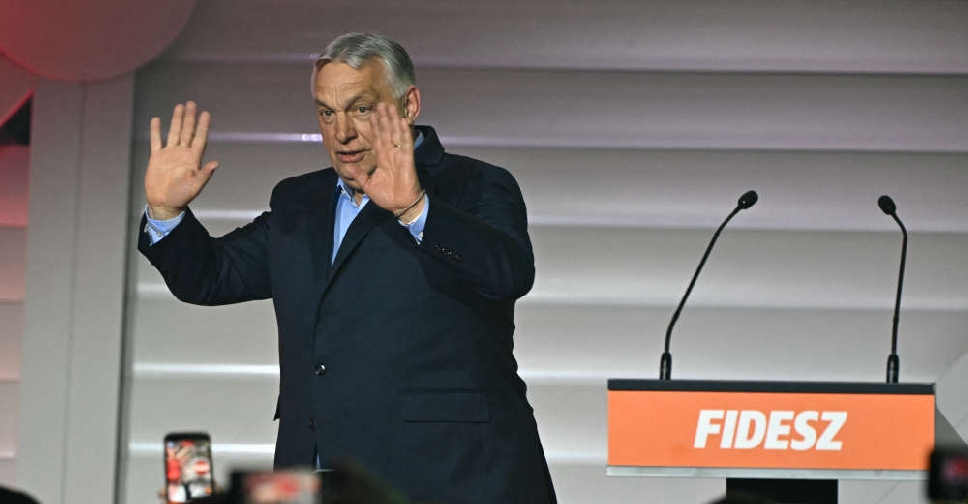 Hungary's Orban concedes landmark election defeat
 Trump vows to blockade Strait of Hormuz after Iran peace talks stumble
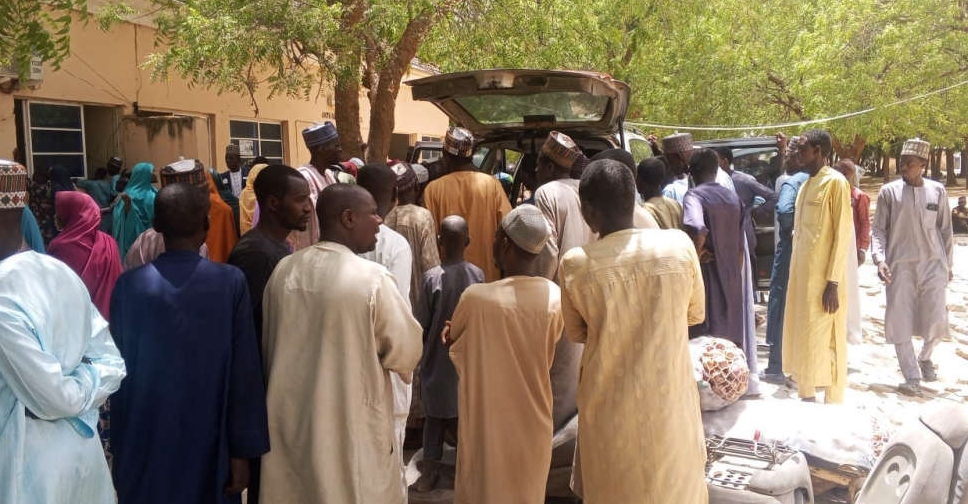 Nigerian airstrike hits market, 200 feared dead
 Russia, Ukraine trade accusations of ceasefire violations