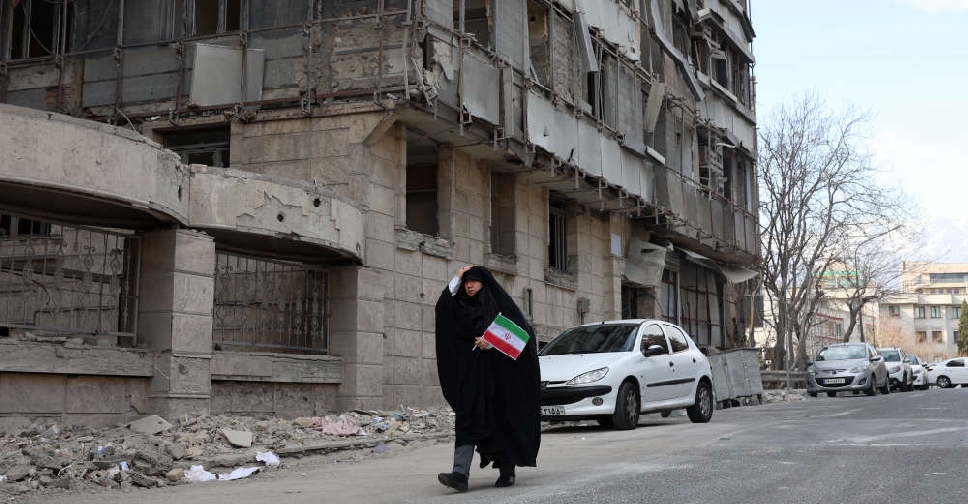
A World Health Organization official said on Monday that the U.S.-Israeli war on Iran has led to the evacuation of six hospitals but that so far the system appeared to be holding up and authorities have not sought emergency relief from the global health agency.
"The primary healthcare and the health infrastructure of Iran is quite good and robust, and they're able to accommodate the casualties as of now," WHO regional director Hanan Balkhy told Reuters.
Iran's ambassador to the U.N. in Geneva, Ali Bahreini, said on Monday that over 1,300 people have been killed since the February 28 conflict began and more than 7,000 people injured.
The WHO, which has an office in Tehran and helps Iranian authorities with disease management, has verified 18 attacks on health care and the killing of eight medics.
Balkhy said the WHO has contingency plans to move in emergency supplies should the situation deteriorate further.
One risk is that "black rain" caused by leaking toxic compounds from damaged oil facilities adds an additional burden on the healthcare system because of rising respiratory infections, she added.
An Air Canada AC.TO Express regional jet collided with a ground vehicle upon landing at New York's LaGuardia airport late on Sunday, according to flight tracking website Flightradar24, in an incident that closed the airport.
US President Donald Trump and Iran threatened to escalate their war by attacking energy and desalination facilities in the Gulf, a potential widening of hostilities that could deepen a regional crisis and add to concerns in global markets.
Four ambulances belonging to a Jewish community organisation in north London were set ablaze, police said on Monday, adding that the incident was being treated as an antisemitic hate crime.
An Israeli airstrike on a police vehicle on Sunday killed three people in the middle of the Nuseirat camp in the central Gaza Strip, health officials said, hours after another person was killed in a strike on northern Gaza.

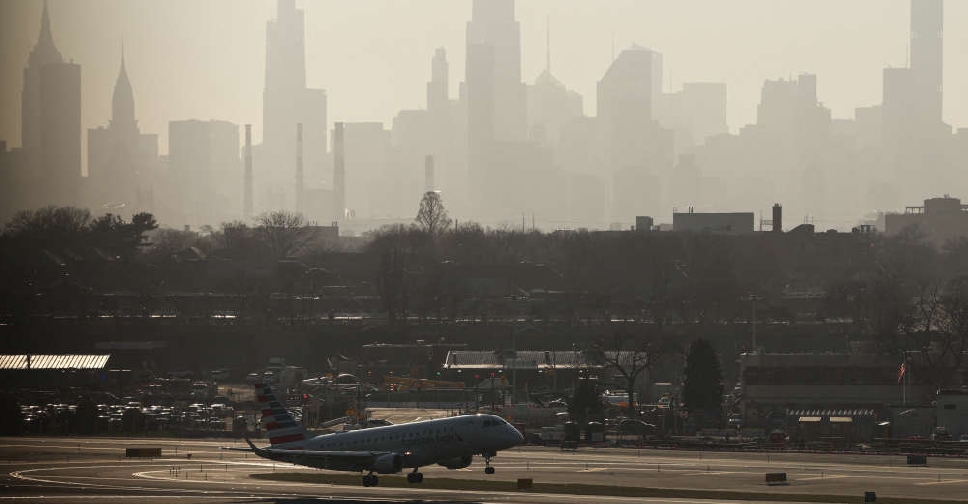 Air Canada Express plane hits ground vehicle at New York's La Guardia airport
 Kuwait launches probe into espionage, state security cases
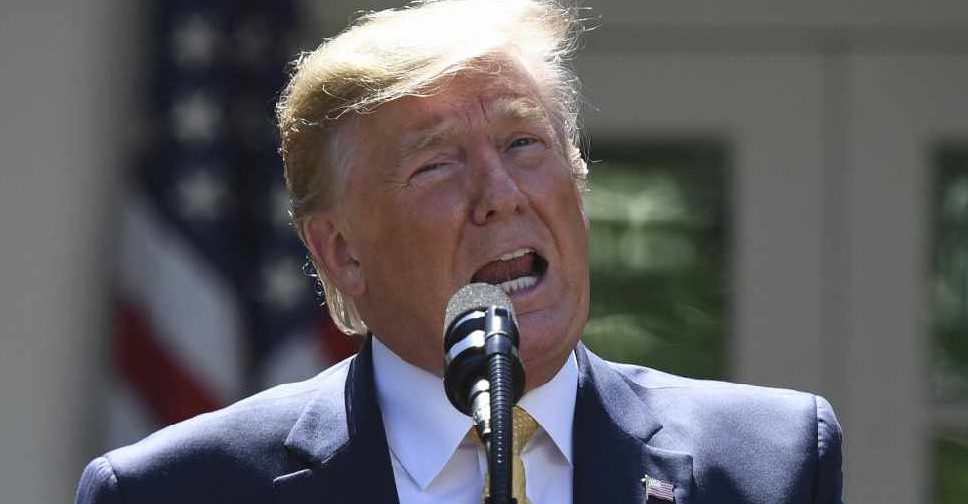 Trump, Iran threaten to escalate conflict with attacks on energy and water facilities
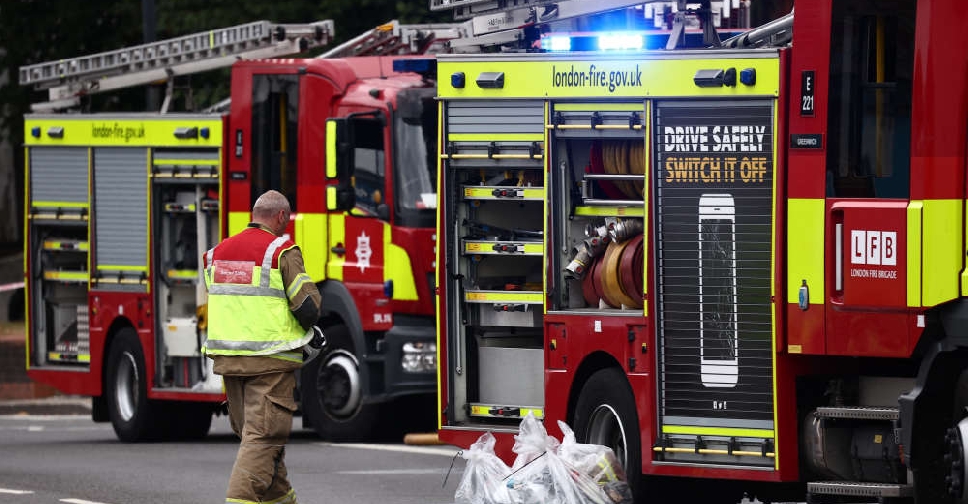 Ambulances from Jewish community organisation torched, UK police say
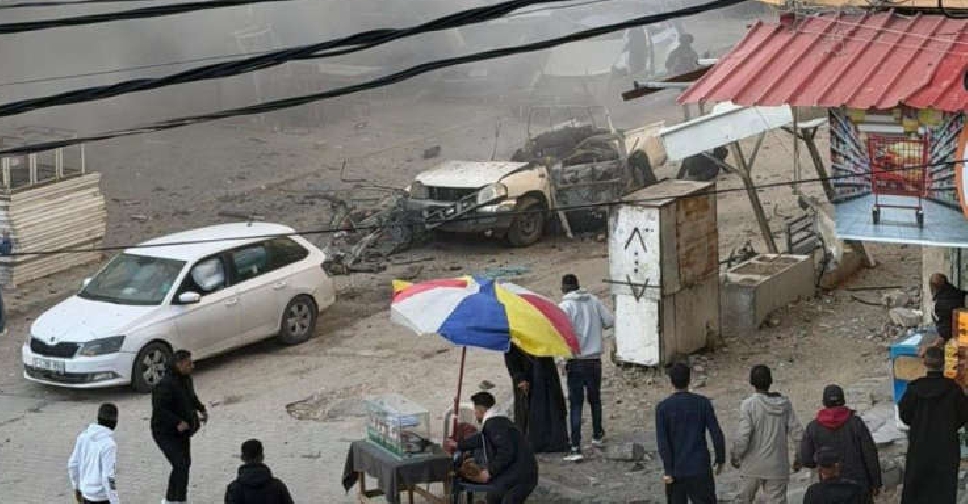 Israeli airstrikes kill four in Gaza, Palestinian officials say