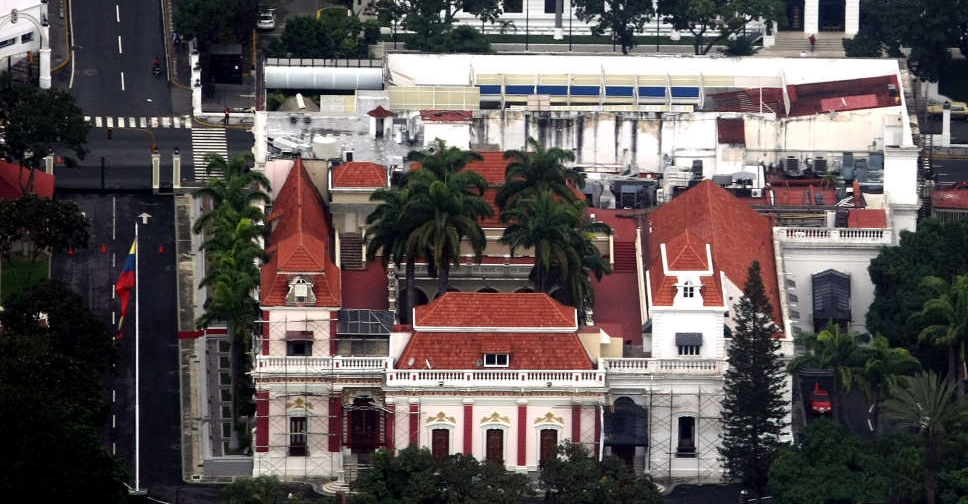
President Donald Trump does not plan to occupy or nation-build in Venezuela, Republican US lawmakers said on Monday after attending a briefing by top officials on the administration's policy toward the South American nation.
"We do not have US armed forces in Venezuela, and we are not occupying that country," Republican House of Representatives Speaker Mike Johnson of Louisiana told reporters after the classified session with Secretary of State Marco Rubio, Secretary of Defense Pete Hegseth and other senior officials.
"If anybody wants to use the term nation-building, or anything like that, it doesn't look like anything anybody has seen under President Trump," said Representative Brian Mast, the Republican chairman of the House Foreign Affairs Committee.
"They are not the protracted war administration," Mast told reporters after the briefing, which lasted more than 2-1/2 hours, when asked how he would reassure Americans they did not face another 'endless war,' like the 20-year conflict in Afghanistan.
Trump sent US troops into Caracas early on Saturday to seize Venezuelan President Nicolas Maduro, who pleaded not guilty earlier on Monday to narcotics charges.
Maduro's capture rattled world leaders, left officials in Caracas scrambling to regroup and angered some US Democrats, who said Rubio and other Trump administration officials had lied to them by insisting they were not planning regime change in Venezuela.
Senator Chuck Schumer of New York, the Senate's Democratic leader, told reporters Monday's briefing had been extensive but posed more questions than it answered.
"Their plan for the US running Venezuela is vague, based on wishful thinking and unsatisfying," he said.
Schumer said he had not received assurances that Trump would not do the same thing in other countries. Republicans also left open that possibility. "There's absolutely a continual plan to use the United States military to protect the homeland of the United States of America," Mast said.
The Senate is due to vote as soon as this week on whether to block further military action against Venezuela without congressional approval, a resolution co-sponsored by Schumer.
Republicans insist the weekend operation did not require congressional approval because it was very short and involved "law enforcement" to bring Maduro to court in New York.
Members of Congress, including some Republicans as well as Democrats, have long accused presidents of seeking to sidestep the Constitution's requirement that Congress, not the president, approve anything other than brief and limited military action needed to defend the United States.
Republicans have defeated repeated attempts to pass similar war powers resolutions since Trump four months ago sent US forces to the Caribbean, where they have been firing missiles at vessels Washington says are carrying drugs.
Trump's administration accuses Maduro of overseeing a cocaine-trafficking network that partnered with violent groups including Mexico’s Sinaloa and Zetas cartels, Colombia's FARC rebels and Venezuela's Tren de Aragua gang.
Maduro has long denied the allegations, saying they were a mask for imperialist designs on Venezuela's rich oil reserves.
Trump has made no secret of wanting to share in Venezuela's oil riches. US oil companies' shares jumped on Monday, fuelled by the prospect of access to those vast reserves.

 US military to begin Iran maritime blockade on Monday
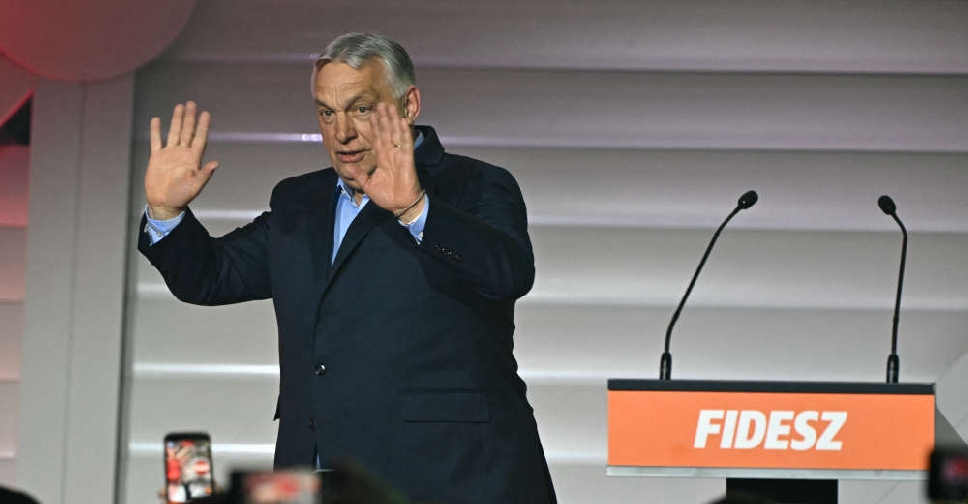 Hungary's Orban concedes landmark election defeat
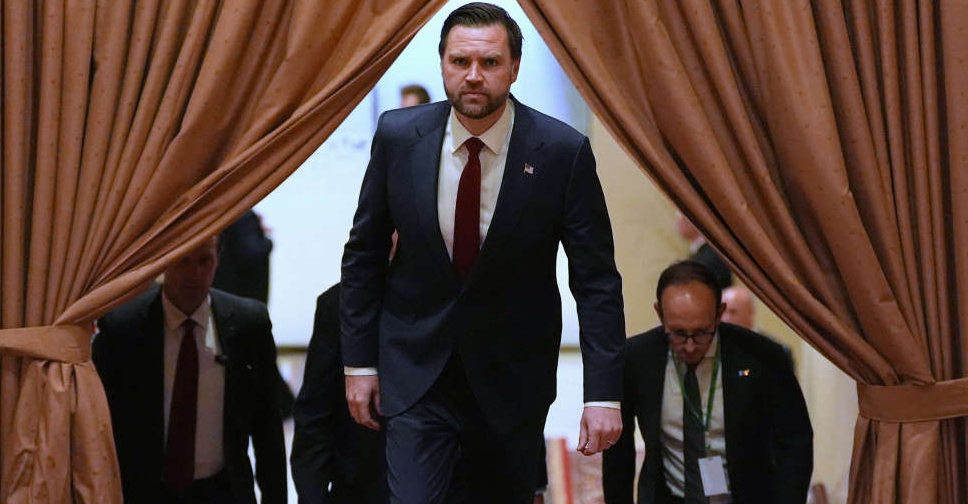 Trump vows to blockade Strait of Hormuz after Iran peace talks stumble
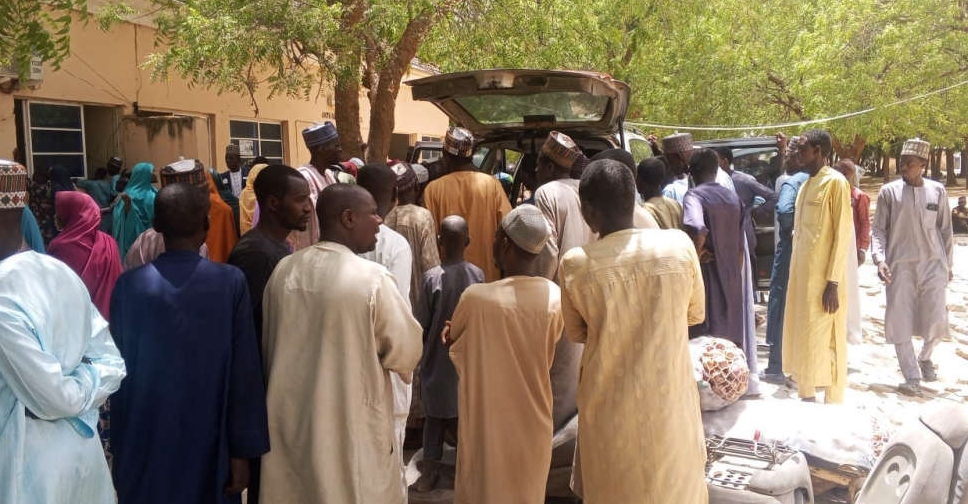 Nigerian airstrike hits market, 200 feared dead
 Russia, Ukraine trade accusations of ceasefire violations