The US launched new air strikes on Iranian targets on Tuesday, quashing hopes that an exchange of fire last weekend might not lead to a wider renewal of hostilities.
Oil prices had already risen after that first exchange of direct attacks since July and after reports of two tankers being hit on Monday leaving the Hormuz Strait, the global oil supply waterway that Iran has effectively closed to shipping.
"Today at 12 p.m. ET (1600 GMT), US forces began striking Islamic Revolutionary Guard Corps (IRGC) targets in Iran," US Central Command posted on X.
"The strikes follow recent attempted attacks by the IRGC against commercial shipping in the Strait of Hormuz and against American service members deployed to the region."
US President Donald Trump posted on his social media channel that if Iran retaliated for the attack, "they will be hit again at a much harder and higher level".
The six-month-old conflict had shifted into an economic standoff before the weekend strikes, in which US forces attacked Iran's Larak Island on Sunday and Iran responded by launching missiles at two US air bases in Jordan.
Although he warned of a US response to the Iranian strikes, Trump also told reporters on Monday that they did not signal a return to full-scale war, and a senior Iranian source told Reuters they were a "limited and contained confrontation".
But pledges by both sides to respond to further attacks have highlighted how quickly a conflict that has increasingly been fought through sanctions, blockades and economic pressure could spill back into military action.
NEW US ECONOMIC SANCTIONS LOOM
Before the latest attacks, US Treasury Secretary Scott Bessent had said Washington was likely to announce bank sanctions against Iran this week and next, stepping up an attempt to "economically asphyxiate" Iran's leadership after six months of conflict.
At a G20 finance leaders' meeting in Asheville, North Carolina, he said the US was also looking at targeting airline leasing companies and other entities that did business with the IRGC.
"We have zero tolerance. We are going to economically asphyxiate this regime," he said.

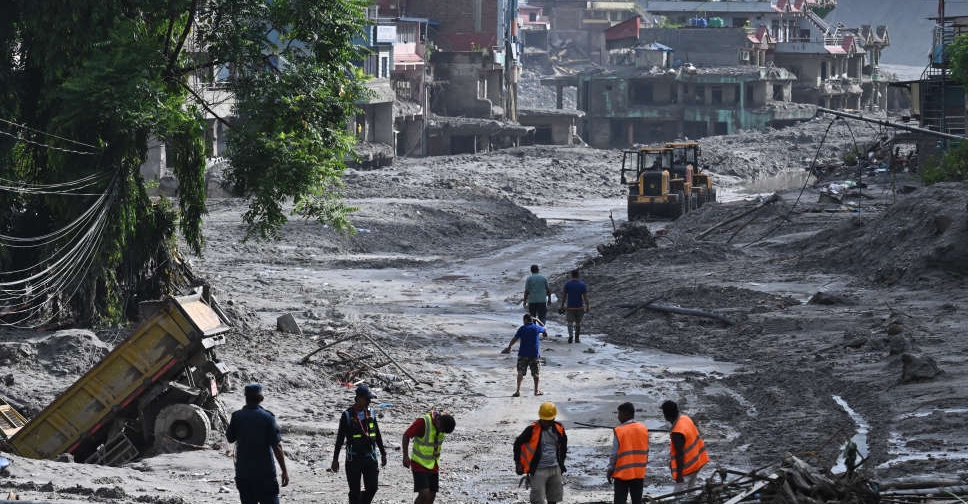 Nepal flood death toll crosses 1,000, rescuers reach remote areas
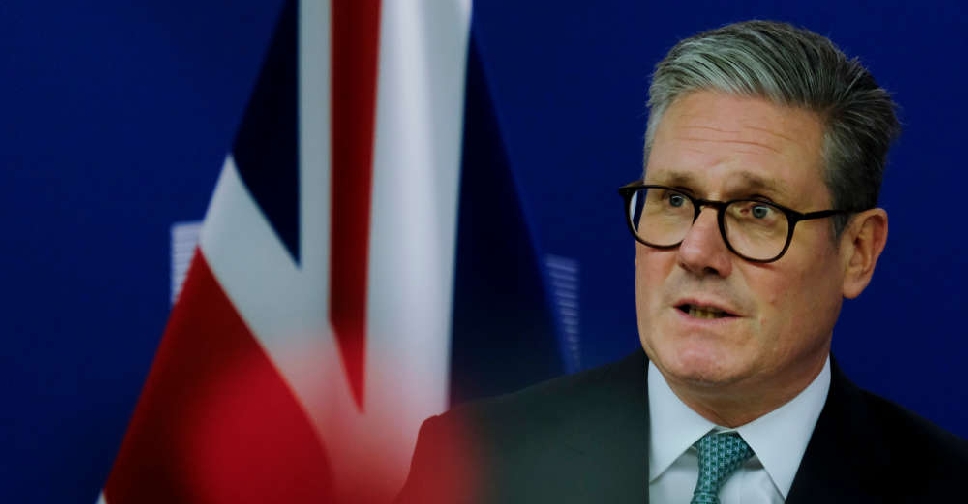 UK former PM Starmer quits parliament to focus on international affairs
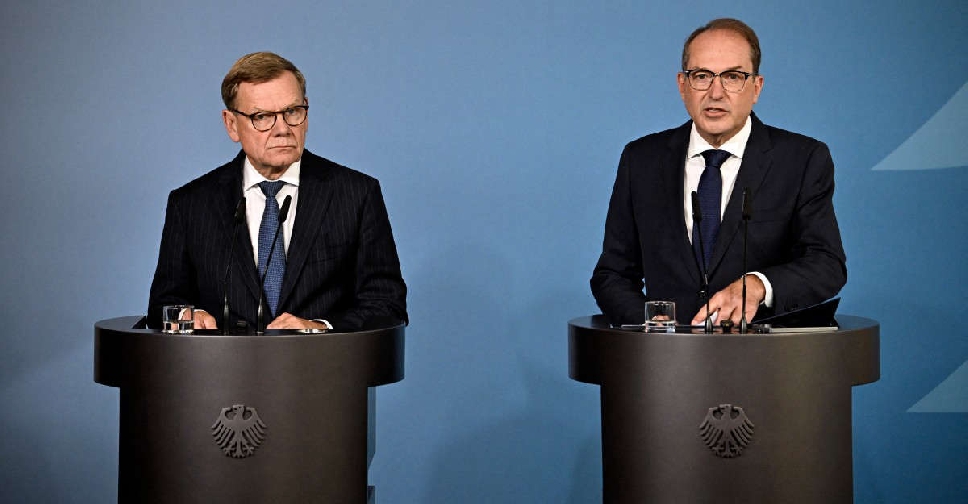 Germany says Russia responsible for drone attack at Leipzig airport
 Novartis pauses trials of experimental cell therapy after three deaths
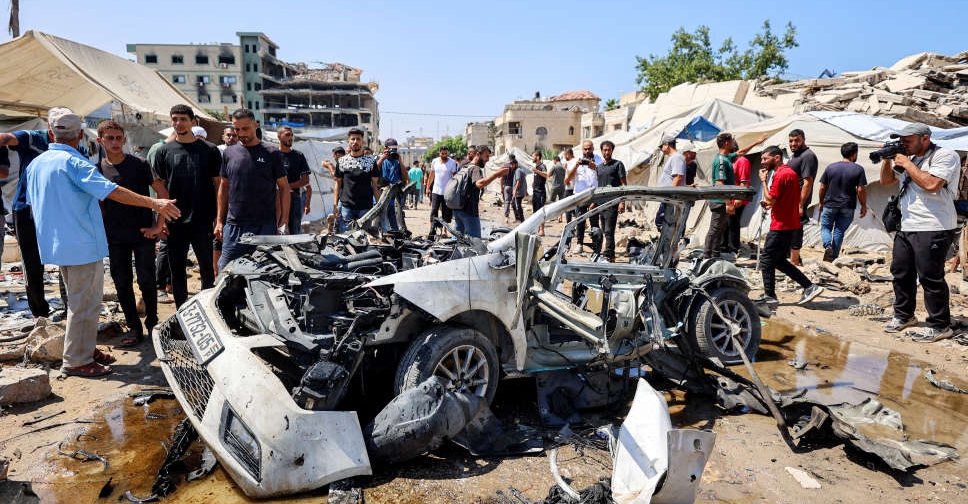 Israeli strikes kill four in Gaza as military says it arrests Hamas fighter