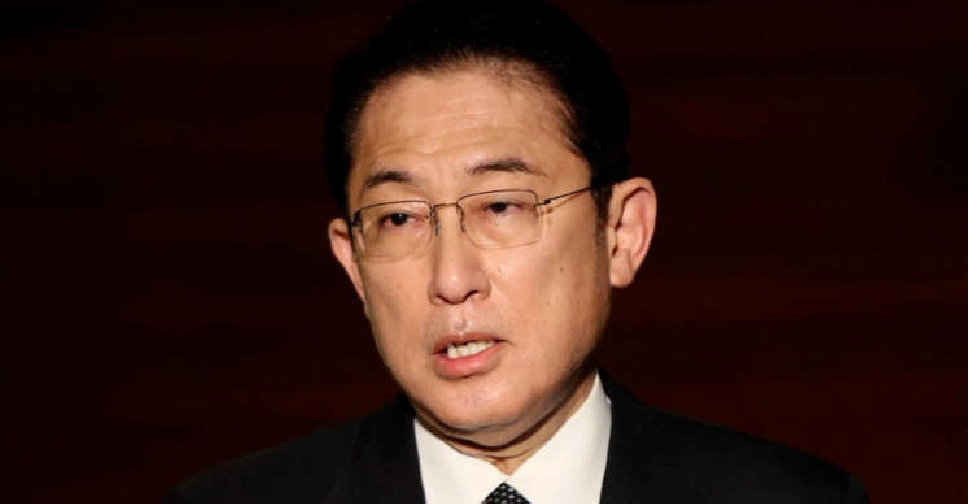
U.S. President Joe Biden and Japanese Prime Minister Fumio Kishida agreed to boost cooperation on pressing economic and security issues, including China, North Korea's missiles and Russia's threat to Ukraine.
The two leaders discussed these issues in a virtual meeting on Friday.
The online meeting, their first substantial talks since Kishida became Japan's prime minister in October, followed "two-plus-two" discussions this month at which defence and foreign ministers from the longtime allies voiced strong concern about China's growing might and vowed to respond if necessary to destabilising activity in the Indo-Pacific.
Kishida said he and Biden had agreed to cooperate to realise a free and open Indo-Pacific, to work closely on China and the North Korean missile issue and also to cooperate on Ukraine.
He also said Japan would host a meeting of the Quad grouping of the United States, Japan, Australia and India in the first half of this year with Biden visiting.
Biden accepted the invitation and indicated his intention to visit in late spring, a senior U.S. administration official said, adding that one of the aims of the Quad meeting would be to review the progress of a pledge to supply a billion COVID-19 vaccine doses to Southeast Asia by the end of 2022.
Kishida said he and Biden also agreed to set up an economic version of a "two-plus-two" ministerial to promote economic cooperation. The U.S. official said this would focus on supply chains, technology investments, standards-setting and export controls.
"We agreed to work together to advance cooperation among like-minded countries to realise a free and open Indo-Pacific," Kishida told reporters. "We agreed to closely cooperate on China-related issues, including the East and South China Seas, Hong Kong, and the Xinjiang Uyghur (Autonomous Region), as well as North Korea's nuclear and missile issues."
Kishida said he and Biden would work closely to prevent a Russian invasion of Ukraine and "keep close contact with other allies and partners and continue communicating on the point that any attack will be met with strong action."
In a tweet, Biden said it was "an honour to meet with Prime Minister Kishida to further strengthen the U.S.-Japan Alliance — the cornerstone of peace and security in the Indo-Pacific and around the world."
A White House statement said Biden had welcomed Kishida's decision to increase defence spending and "underscored the importance of sustaining these vital investments over time."
The two stressed the importance of strengthening cybersecurity and resolved "to push back" against China's attempts to change the status quo in the East and South China Seas.
The U.S. official told reporters U.S.-Japan solidarity was on "full display" in the virtual session of about 90 minutes.
The two had a "very in-depth discussion" on China, sharing concerns about its intimidation of neighbours and "predatory" steps in trade and other realms, he said, adding that Kishida was particularly concerned about China's nuclear buildup.
The White House said the leaders condemned North Korea's recent ballistic missile launches, and the U.S. official said Biden had made clear Washington would work closely with Japan and South Korea to discourage "possible provocations that might follow on."
North Korea fired tactical guided missiles this week in its latest series of launches and warned on Thursday it might rethink a moratorium on nuclear and intercontinental ballistic missile (ICBM) tests.
The U.S. official said Biden and Kishida had had a "robust" discussion on the need for the United States to play an active role in trade and commercial architecture in Asia.
The Biden administration has been criticised for lacking a solid economic pillar to its strategy for Asia after then-President Donald Trump quit a regional trade framework known as CPTPP in 2017, but it has been wary of returning to a pact critics say threatens U.S. jobs.
A senior U.S. policy official for China said on Wednesday Washington aims to establish "common goals" on economic cooperation with Indo-Pacific countries in early 2022.
The Chinese embassy in Japan issued a statement on Saturday in which it said that Biden and Kishida's video meeting made "groundless attacks" on China and "grossly interfered" in its internal affairs, adding that it had lodged stern representations.
"We urge Japan and the United States to follow the trend of the times, abandon narrow policies of zero-sum game and beggar-thy-neighbour, stop interfering in China's internal affairs, and stop drawing small circles based on ideologies.
Friday's summit followed other security-related meetings involving Indo-Pacific leaders - two-plus-two talks between Japan and France on Thursday and between Australian and British foreign and defence ministers on Friday.
Biden last year hosted the first in-person summit of the Quad grouping, at which the leaders vowed to pursue a free and open Indo-Pacific "undaunted by coercion."
China has stepped up military and diplomatic pressure to assert its sovereignty over Taiwan, which it claims is its own.
Kishida said Japan would beef up its defences of islands near Taiwan this week. In October, these comments followed a promise to revise security strategy to consider "all options, including possession of so-called enemy-strike capabilities."


 Afghanistan says Pakistan strikes kill and injure dozens
 Police officer killed, dozens injured in bomb explosions in Ukraine's Lviv
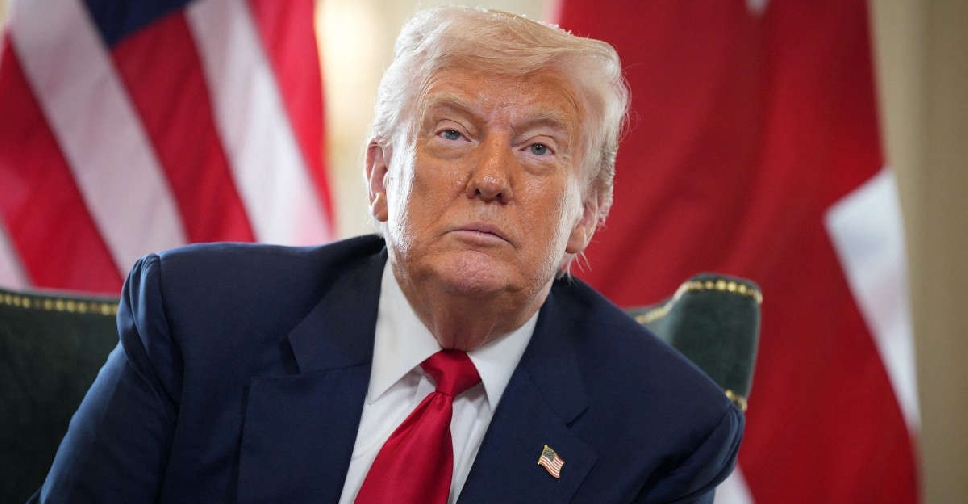 Trump pivots to new 15% global tariff after Supreme Court setback
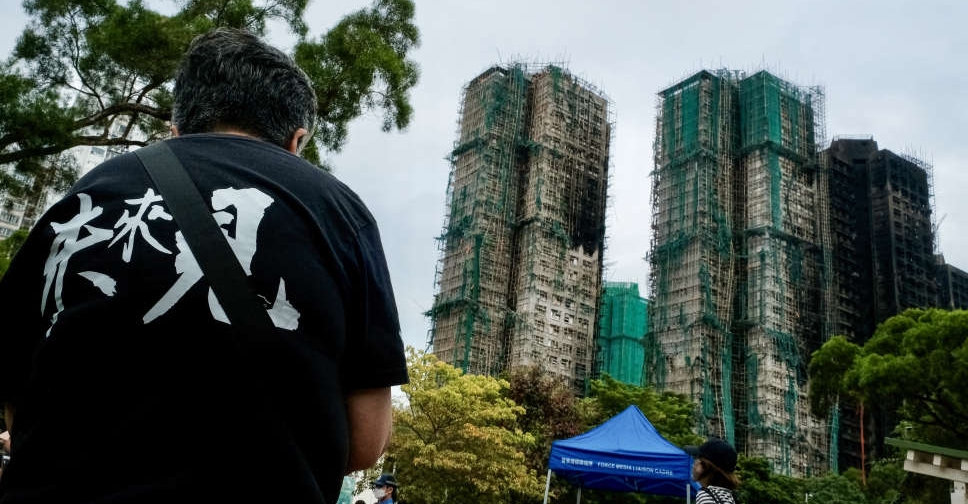 Hong Kong plans to buy homes devastated in deadly high-rise fire
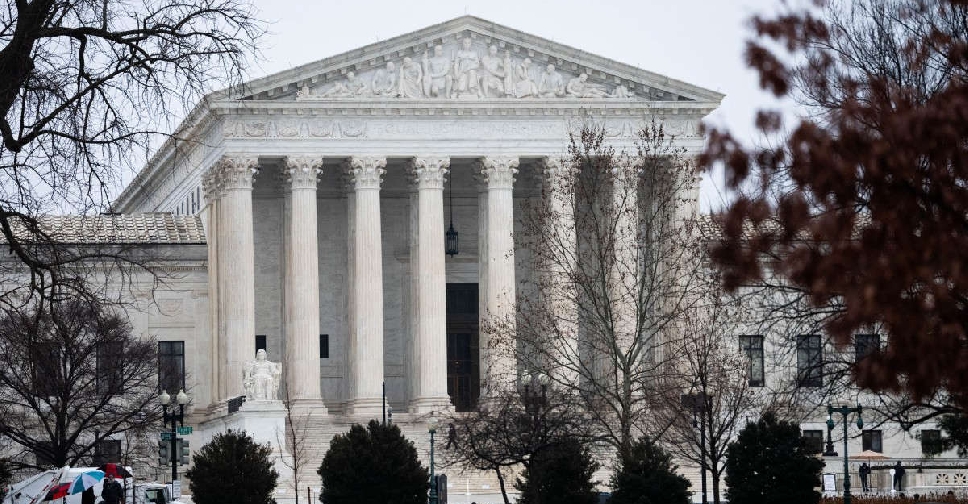 US Supreme Court strikes down Trump's global tariffs