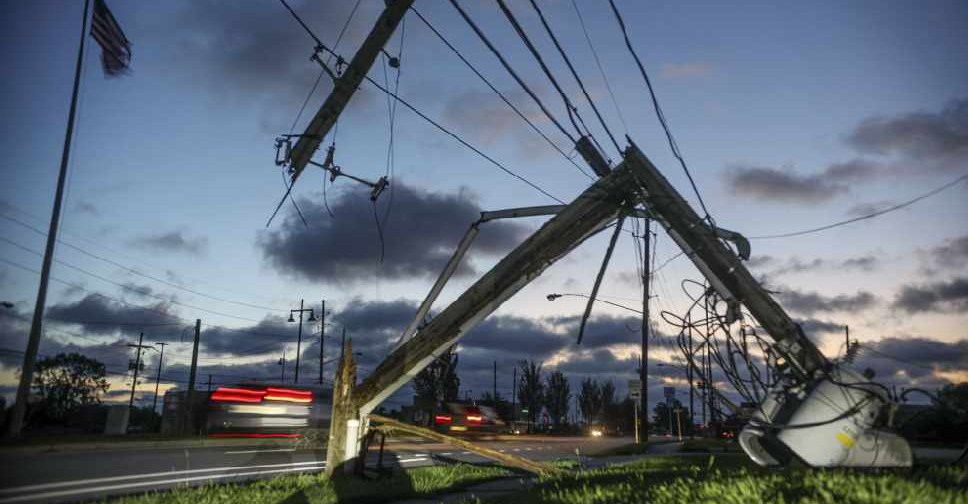
SANDY HUFFAKER / GETTY IMAGES NORTH AMERICA / GETTY IMAGES VIA AFP
At least six people were killed in the United States and more than two million people were without power on Thursday after Hurricane Zeta slammed into the Gulf Coast and moved northeast.
Zeta spun up in the Caribbean Sea and went from a tropical storm to a damaging, Category 2 hurricane in less than four days. It struck Mexico's Yucatan Peninsula and raced across the Gulf of Mexico to hit the US coast late on Wednesday.
It is the fifth named storm to strike Louisiana this year and the 27th named storm this season, one less than the record set in 2005.
Hurricanes are getting stronger and spinning slower, as they pick up energy from heat in the oceans due to climate change.
The eight named storms that have entered the Gulf of Mexico since June have caused repeated offshore evacuations and cut millions of barrels of US oil and gas output.
Crews began returning to Gulf of Mexico offshore facilities on Thursday. Chevron Corp and Royal Dutch Shell Plc said they were redeploying personnel and ramping up and restoring production at their platforms.
The hurricane Zeta cut 4 million barrels over four days this week, halting up to 85 per cent of daily offshore Gulf of Mexico oil production and nearly 58 per cent of its natural gas output.
Indonesian rescuers were searching on Sunday for 130 people from a passenger ship that sank in the Java Sea after 113 others were evacuated, the country's search and rescue agency said, adding that six people had died.
At least five people were wounded in a Russian attack on the Ukrainian city of Odesa on Sunday morning, officials said, a day after strikes on the city killed two people.
Authorities in the Philippines said on Sunday it could take weeks or months to identify the victims of a ferry fire that killed 76 people, as forensic experts begin collecting and comparing DNA samples and investigators determine the cause.
Saudi Arabia shut its East-West oil pipeline on Friday after it was hit in a drone attack, disrupting a key route used to bypass shipping problems in the Strait of Hormuz.

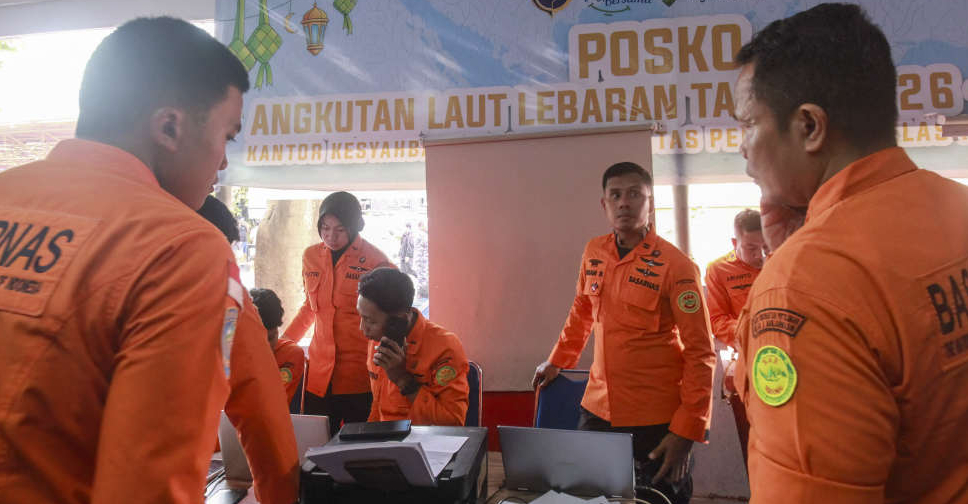 Rescuers search for 130 people after Indonesia passenger ship sinks; six dead
 Russian drone attack injures five in Ukraine's Odesa, officials say
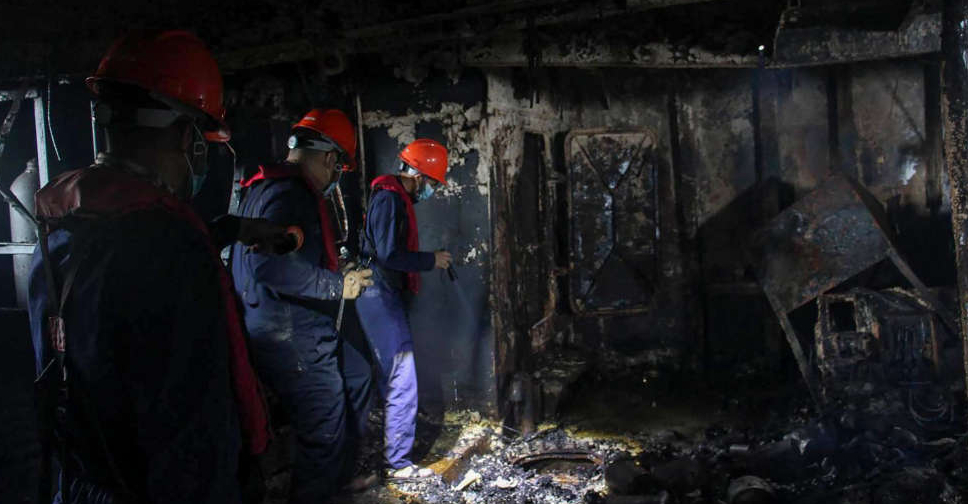 Philippine ferry fire victims may take months to identify, authorities say
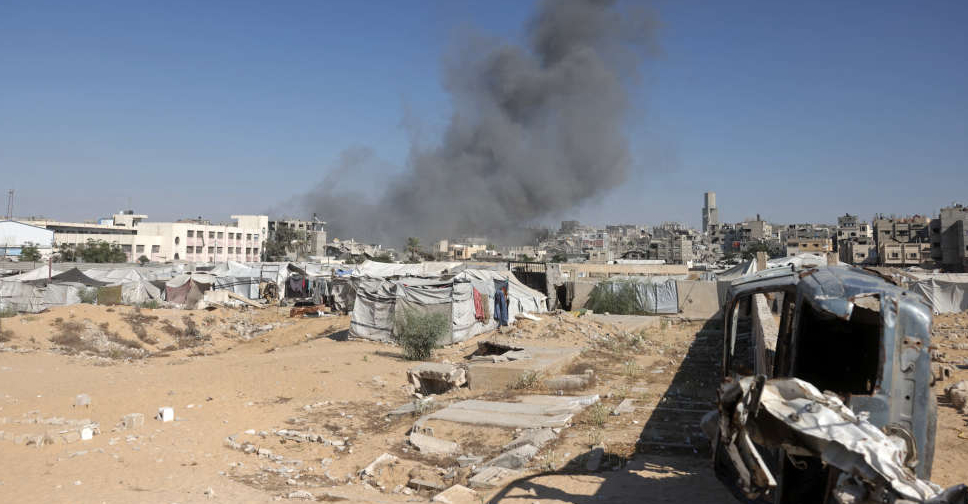 Israeli strike kills two people in Gaza, medics say
 Saudi Arabia shuts key oil pipeline after drone attack