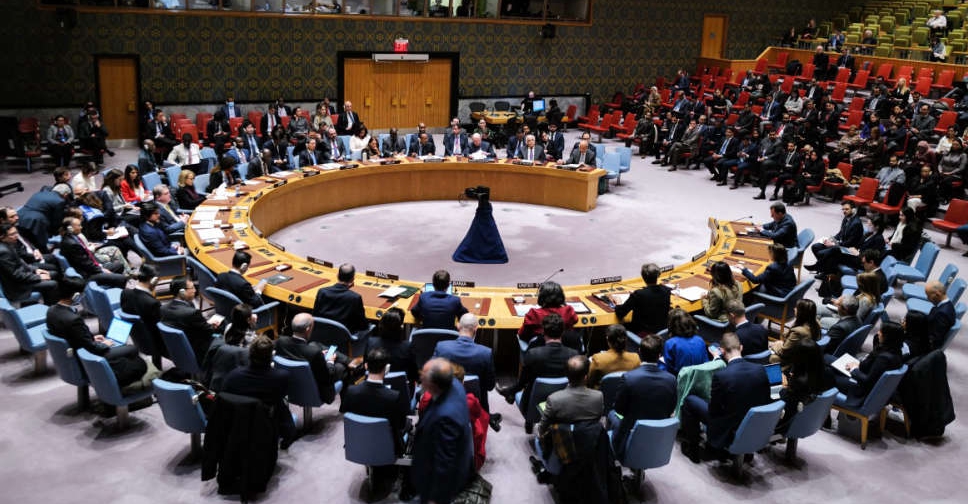
The United Nations Security Council on Friday approved a toned-down bid to boost humanitarian aid to the Gaza Strip and called for urgent steps "to create the conditions for a sustainable cessation of hostilities".
This comes after a week of vote delays and intense negotiations to avoid a veto by the United States.
Amid global outrage over a rising Gaza death toll in 11 weeks of war between Israel and Hamas and a worsening humanitarian crisis in the Palestinian enclave, the US abstained to allow the 15-member council to adopt a resolution drafted by the United Arab Emirates.
The remaining council members voted for the resolution except for Russia, which also abstained.
Following high-level negotiations to win over Washington, the resolution no longer dilutes Israel's control over all aid deliveries to 2.3 million people in Gaza. Israel monitors the limited aid deliveries to Gaza via the Rafah crossing from Egypt and the Israeli-controlled Kerem Shalom crossing.
But a weakening of language on a cessation of hostilities frustrated several council members - including veto power Russia - and Arab and Organisation of Islamic Cooperation states, some of which, diplomats said, view it as approval for Israel to further act against Hamas for a deadly October 7 attack.
The adopted resolution "calls for urgent steps to immediately allow safe, unhindered, and expanded humanitarian access and to create the conditions for a sustainable cessation of hostilities."
The initial draft had called for "an urgent and sustainable cessation of hostilities" to allow aid access.
"By signing off on this, the council would essentially be giving the Israeli armed forces complete freedom of movement for further clearing of the Gaza Strip," Russia's UN Ambassador Vassily Nebenzia told the council before the vote.
Russia proposed the draft be amended to revert to the initial text calling for "an urgent and sustainable cessation of hostilities." The amendment was vetoed by the United States. It received 10 votes in favour, while four members abstained.
Earlier this month, the 193-member UN General Assembly demanded a humanitarian ceasefire, with 153 states voting in favour of the move that had been vetoed by the United States in the Security Council days earlier.
The US and Israel oppose a ceasefire, believing it would only benefit Hamas. Washington instead supports pauses in fighting to protect civilians and free hostages taken by Hamas.


 US military to begin Iran maritime blockade on Monday
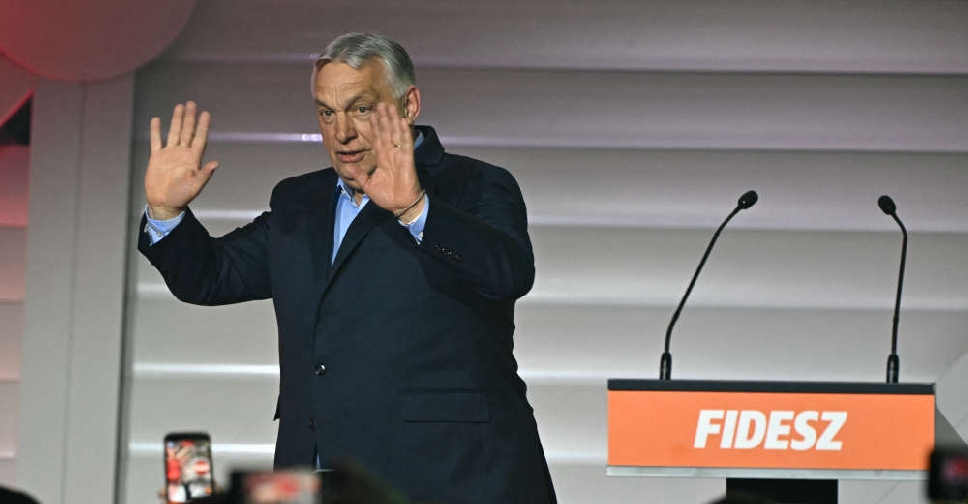 Orban ousted after 16 years as Hungarians flock to pro-EU rival
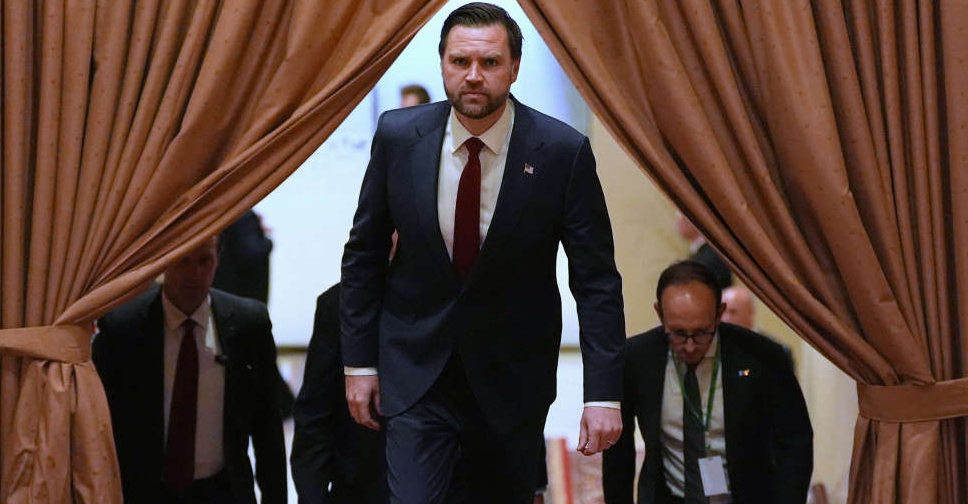 Trump vows to blockade Strait of Hormuz after Iran peace talks stumble
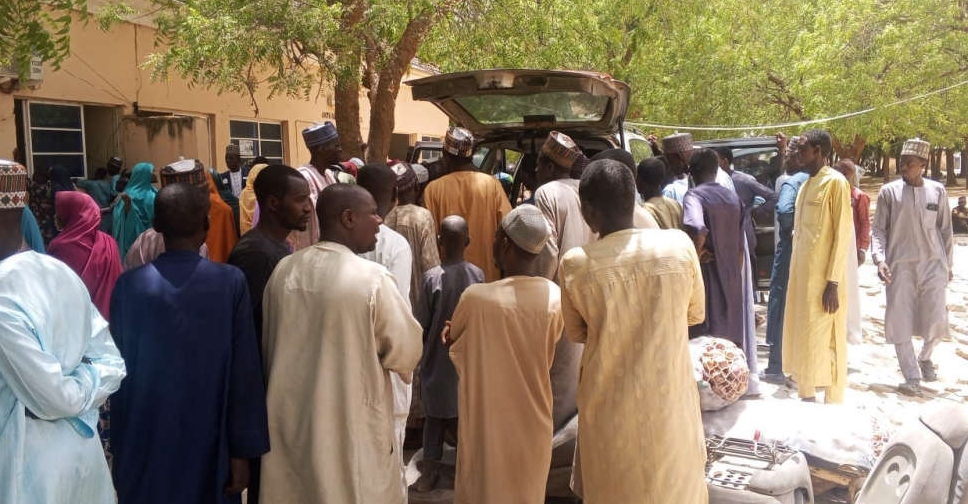 Nigerian airstrike hits market, 200 feared dead
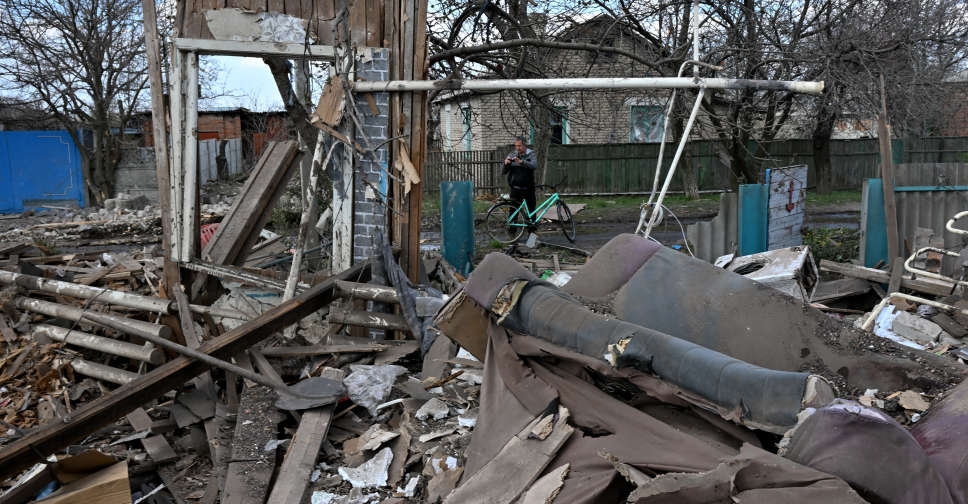 Russia, Ukraine trade accusations of ceasefire violations