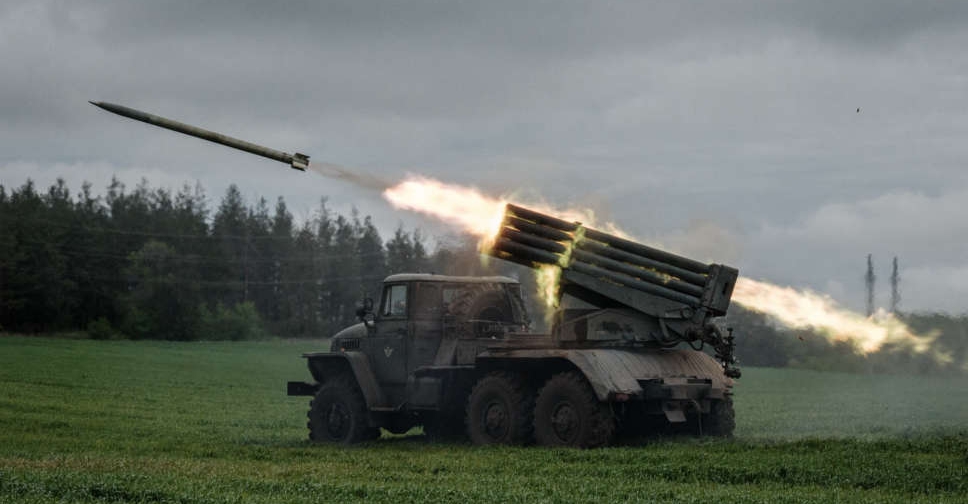
Ukrainian forces have launched a counteroffensive near the Russian-held town of Izium, a regional governor said, in what could prove a serious setback for Moscow's plans to capture the Donbas region.
Russian forces have focused much of their firepower on the Donbas in a "second phase" of their invasion that was announced on April 19, after they failed to reach the capital Kyiv from the north in the early weeks of the war.
But Ukraine has been retaking territory in its northeast, driving the Russians away from the second-largest Ukrainian city of Kharkiv. Keeping up pressure on Izium and Russian supply lines will make it harder for Moscow to encircle battle-hardened Ukrainian troops on the eastern front in the Donbas.
Russia's defence ministry said its forces hit a series of military sites, including in the Donbas, killing at least 100 Ukrainian "nationalists."
Reuters could not independently verify the report. Ukrainian President Volodymyr Zelenskiy said the situation in Donbas remained very difficult, adding that Russian forces were still trying to salvage some kind of victory there.
"They are not stopping their efforts," he said.
Later Saturday, Ukraine's Kalush Orchestra won the popular Eurovision Song Contest in Italy, a sign of how European public sentiment has swung in Kyiv's favour since Russian forces launched an all-out assault against the country in February.
Ukraine were in fourth place based on jury voting but viewer support catapulted the country into first place.
"Our courage impresses the world, our music conquers Europe! Next year Ukraine will host the Eurovision song contest," Zelenskiy said in an online message.
Eurovision's winners traditionally get to host the event the following year.
In another token of international solidarity, US Republican senators paid an unannounced visit to Kyiv. The Republican delegation discussed further strengthening sanctions on Russia, Zelenskiy said.
Western analysts say Russian President Vladimir Putin failed to anticipate the fierce Ukrainian resistance - and the forceful global response - when he ordered the February 24 invasion.
As well as losing large numbers of men and much military equipment, Russia has been hit by economic sanctions. The Group of Seven leading Western economies pledged in a statement on Saturday to "further increase economic and political pressure on Russia" and to supply more weapons to Ukraine.
Commenting on the latest developments in eastern Ukraine, regional governor Oleh Sinegubov said in comments aired on social media: "The hottest spot remains the Izium direction."
"Our armed forces have switched to a counteroffensive there. The enemy is retreating on some fronts and this is the result of the character of our armed forces," he said.
G7 MINISTERS BACK MORE AID
One of the aims of Russia's action in Ukraine was to prevent the former Soviet republic ever joining NATO.
German Chancellor Olaf Scholz, who spoke to Putin by phone on Friday, said he detected no sign of any change in the Russian leader's thinking on the conflict.
In an interview for the t-online news website published on Saturday, Scholz said Western sanctions on Russia would remain in place until it reached an agreement with Ukraine, adding: "Our aim is for this invasion to fail."
Meeting in Germany, foreign ministers from the G7 group of rich nations backed giving Ukraine more aid and arms.
In their statement, the G7 ministers - from the United States, Japan, Germany, Britain, France, Italy and Canada - also pledged to "expedite our efforts to reduce and end reliance on Russian energy supplies".
Russian Foreign Minister Sergei Lavrov said the West's sanctions amounted to a "total hybrid war" against Moscow but Russia would withstand sanctions by forging deeper partnerships with China, India and others.
Meanwhile complex talks are still underway to find a way to evacuate a large number of wounded soldiers from a besieged steel works in the port of Mariupol in return for the release of Russian prisoners of war.
Mariupol, which has suffered the heaviest fighting in nearly three months of war, is now in Russian hands but hundreds of Ukrainian fighters are still holding out at the Azovstal steel works despite weeks of heavy Russian bombardment.
Erdogan's spokesman said Turkey had two weeks ago proposed carrying out a maritime evacuation of wounded fighters from the plant. The proposal remains "on the table" although Moscow has not agreed to it, he said.
A large convoy of cars and vans carrying refugees from the ruins of Mariupol arrived in the Ukrainian-controlled city of Zaporizhzhia after nightfall on Saturday after waiting days for Russian troops to allow them to leave.


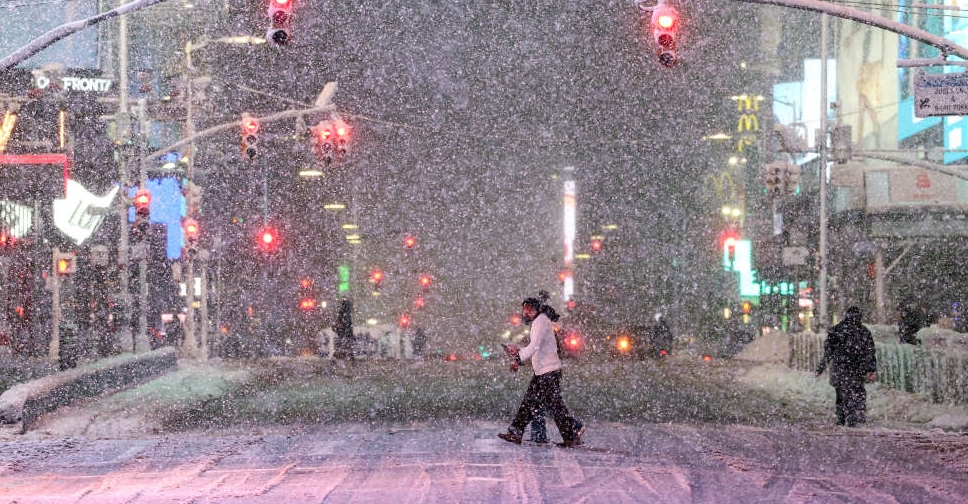 Powerful winter storm shuts schools, disrupts travel across US Northeast
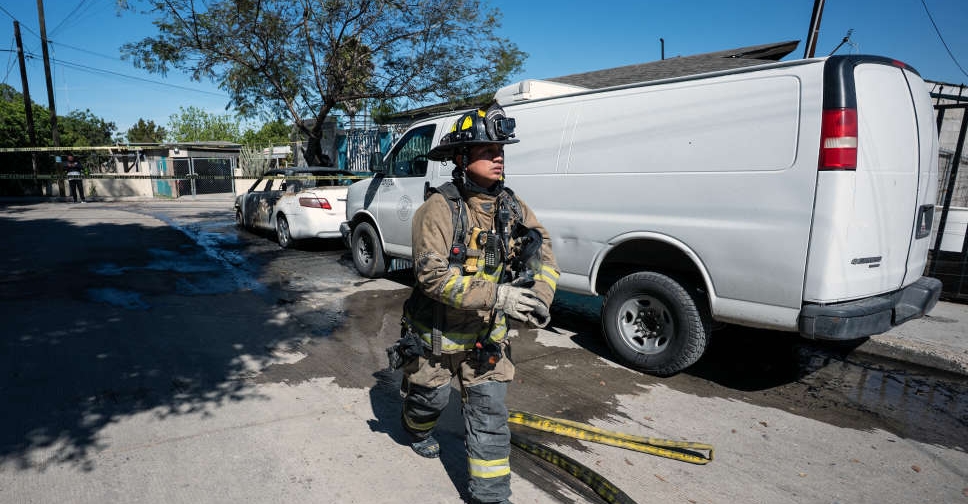 Mexican military kills cartel boss 'El Mencho' in US-backed raid
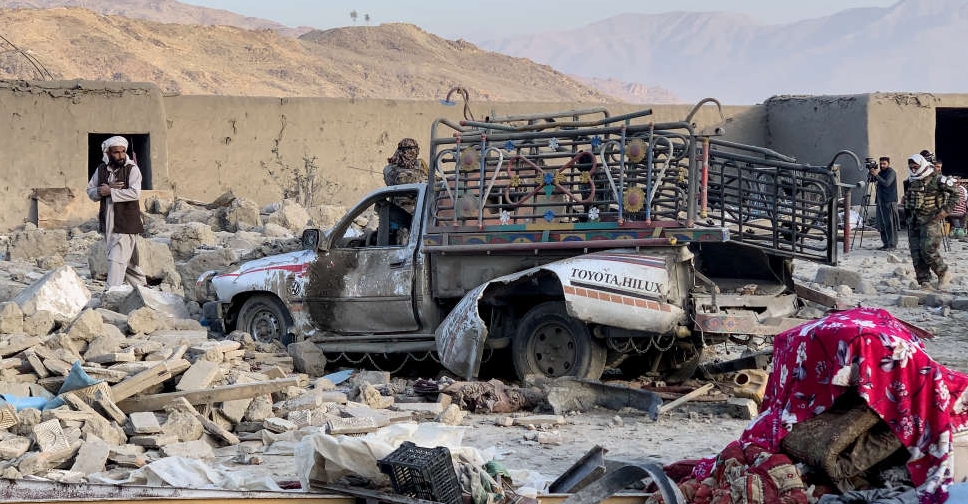 Afghanistan says Pakistan strikes kill and injure dozens
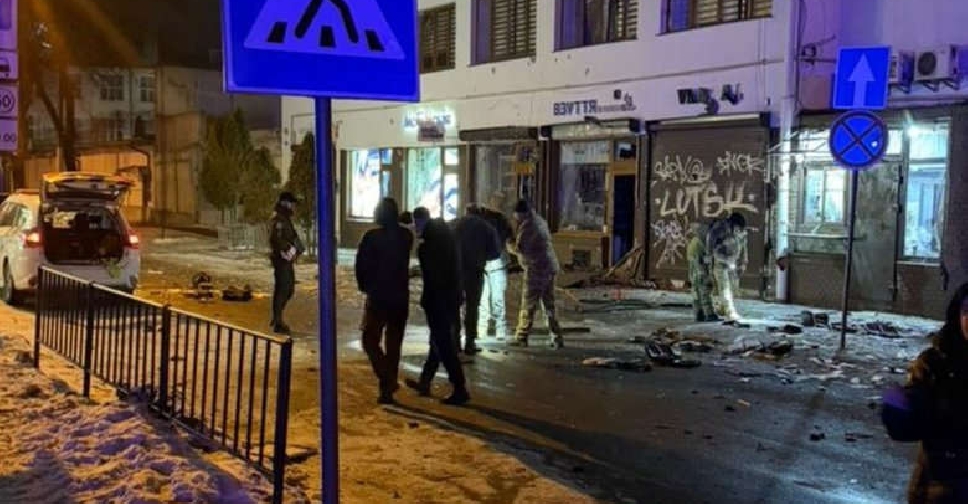 Police officer killed, dozens injured in bomb explosions in Ukraine's Lviv
 Trump pivots to new 15% global tariff after Supreme Court setback