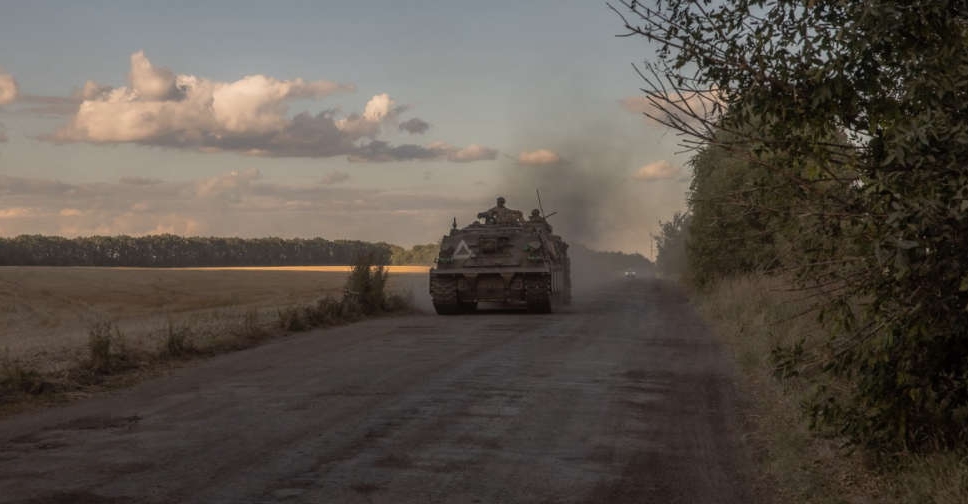
Ukraine pummelled two Russian regions with drones as its ground forces tried to smash through defensive lines in a bid to carve out even more territory in its biggest attack on Russian territory since the conflict began.
Ukrainian soldiers crossed the Russian border, about 530 km (330 miles) southwest of Moscow, a week ago, in a surprise attack that President Vladimir Putin said was aimed at improving Kyiv's negotiating position ahead of possible talks and slowing the advance of Russian forces along the rest of the front.
Russia's defence ministry said its air defence units destroyed 12 drones over the Kursk region, one over the Belgorod region and one over Voronezh. Russian officials in Kursk and Belgorod put out warnings of missile attacks.
Russia and Ukraine have given vastly different estimates of the area of Russian territory under Ukrainian control, with Kyiv claiming 1,000 square kilometres (386 square miles) but Russian officials saying the area was less than half that.
Russian war bloggers reported intense battles across the Kursk front as Ukrainian forces tried to expand their control near Lgov, Bolshoy Soldatskoye and Korenevo - though they said Russia was bringing in both soldiers and heavy weaponry and repelled some of the Ukrainian attacks.
The fate of the town of Sudzha, through which Russia pumps gas from Western Siberia through Ukraine and on to Slovakia and other European Union countries, was unclear. Gazprom said on Monday it was still pumping.
Some Russian war bloggers and Ukrainian Telegram channels said the town was in the control of Ukraine, though Reuters was unable to independently verify the battlefield accounts and Russia has yet to give details on the situation in Sudzha.
About 14.65 billion cubic metres (bcm) of gas was supplied via Sudzha in 2023 - about half of Russian natural gas exports to Europe, or about 5% of EU consumption.
Russia invaded Ukraine in February 2022 and now controls 18 per cent of Ukrainian territory. Until the surprise attack on Russia, Ukraine had been losing territory to Russian forces despite hundreds of billions of dollars in US and European support aimed at stopping and even reversing the Russian advance.

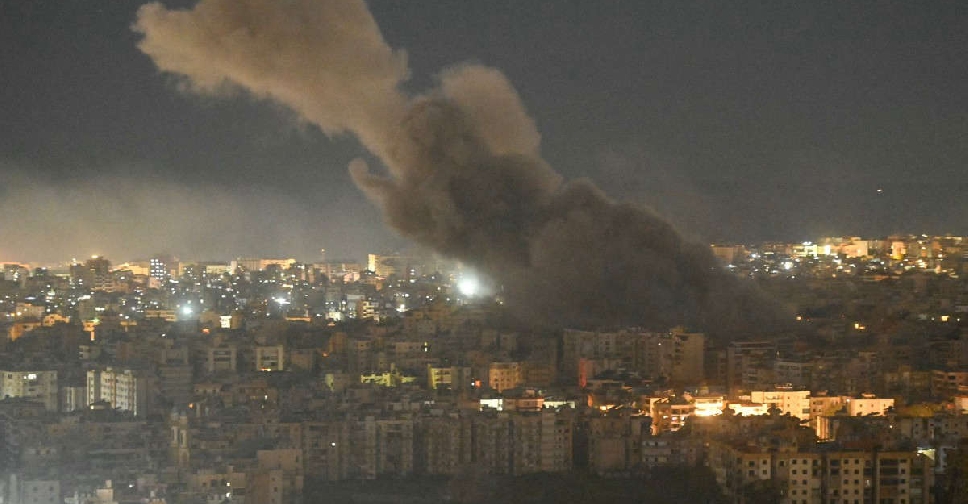 Israel, Lebanon to begin 10-day ceasefire
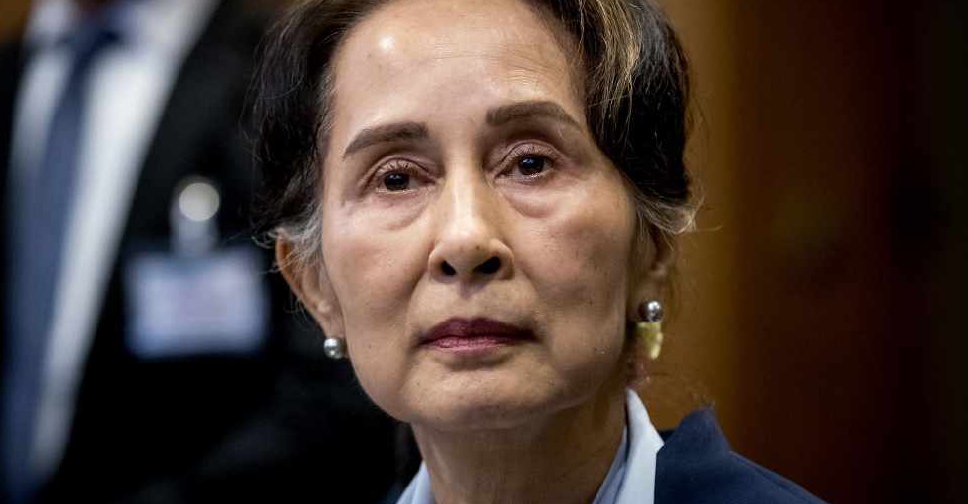 Myanmar cuts ex-leader Aung San Suu Kyi's sentence, frees former president
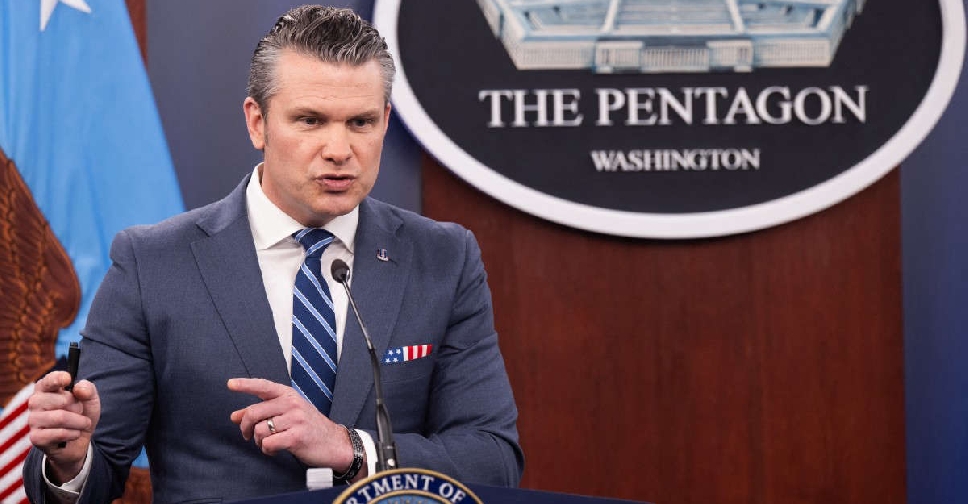 US military: ready to strike Iran's power plants, energy industry if ordered
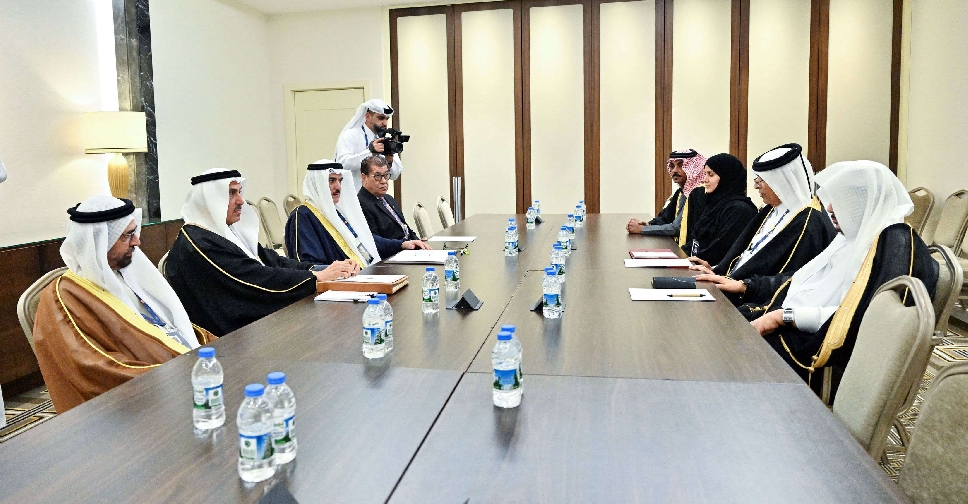 GCC parliamentary speakers stress unified stance against Iranian attacks
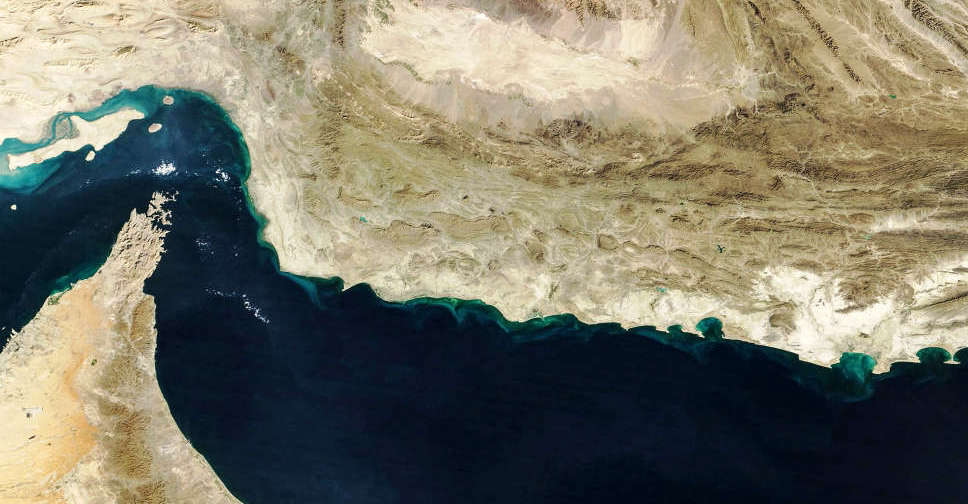 Countries to discuss Hormuz mission for when conflict ends