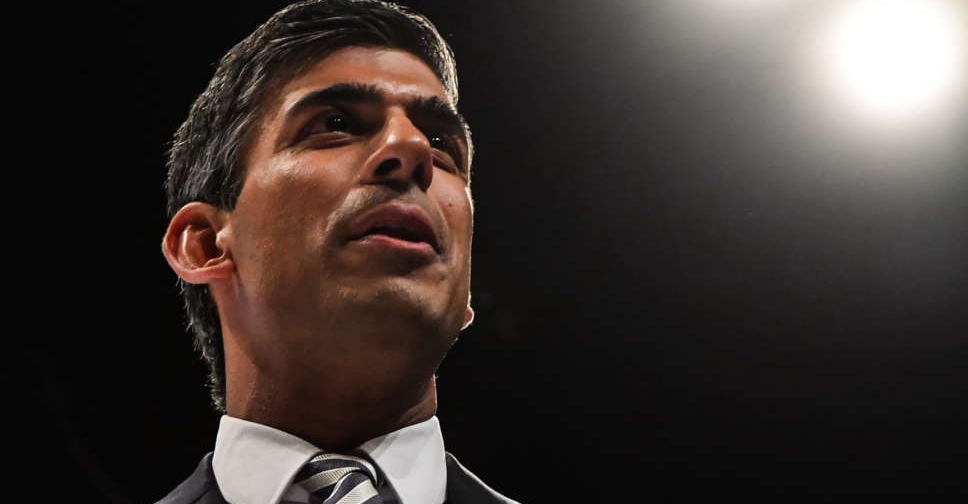
Britain's Conservative Party said on Monday it will name its new leader on Nov. 2, following the party's worst-ever election performance this month that prompted former Prime Minister Rishi Sunak to say he would stand down.
Sunak will remain acting leader until the appointment of a successor, the Conservative Party said in a statement.
The leadership contest will see the party narrow down the field of nominations to four candidates who will make their case at the Conservative Party conference.
The nominations will further narrow down to two candidates, following which party members will vote for a leader.
The Times, which was first to report the contest, said up to eight candidates were expected to put their names forward.
Sunak's election campaign ended in failure on July 4, when the centre-left Labour Party, led by Keir Starmer, won a landslide victory that ended 14 years of Conservative-led government.
Sunak said in his final speech outside the prime minister's Downing Street office that he would quit as leader of the party once formal arrangements for his successor were in place.

 Three students killed in Philippine school shooting, including gunman, officials say
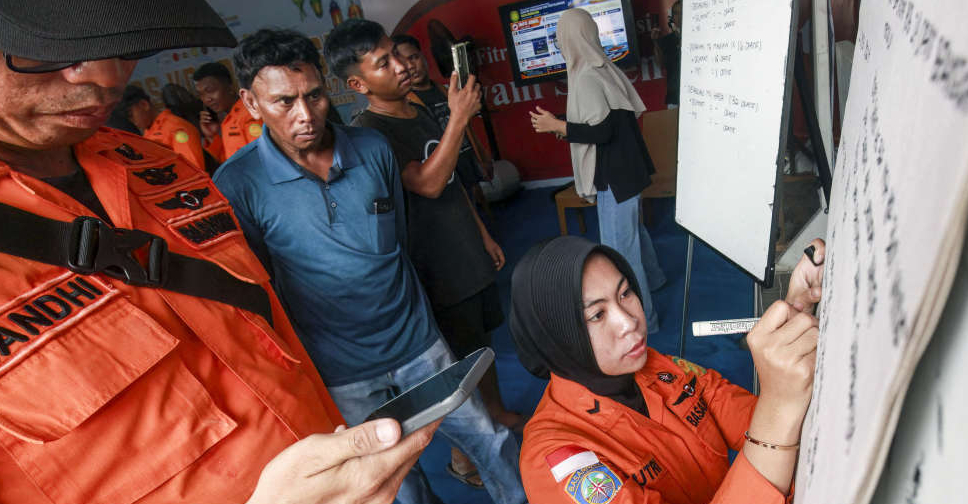 Indonesia recovers 3 bodies from capsized ship in Java Sea
 Gaza building collapse: Rescue efforts end after 45 saved
 US officials made rare Myanmar visit to free American businessman
 Trump derides EU pitch to Canada as 'laughable', threatens more tariffs