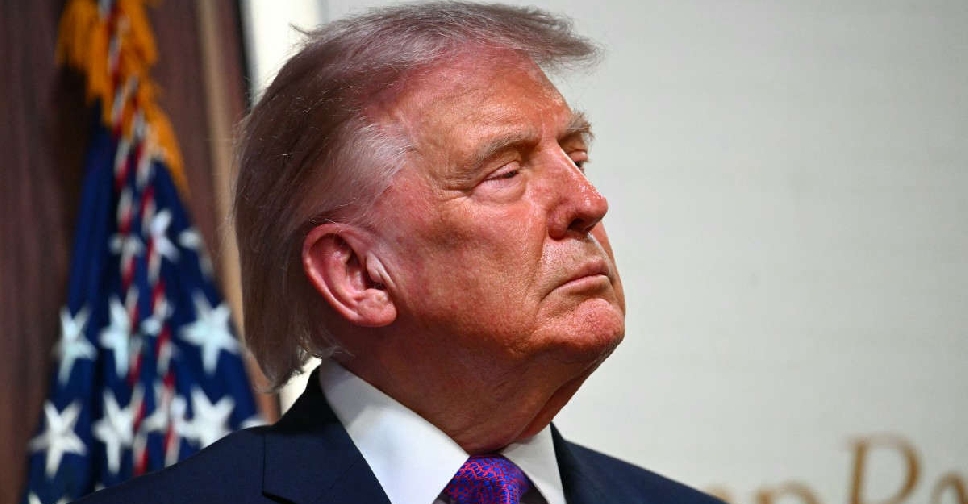
President Donald Trump said on Tuesday that the US may need to strike Iran again and that he had been an hour away from ordering an attack before postponing it.
Trump was speaking to reporters at the White House a day after saying he had paused a planned resumption of hostilities following a new proposal by Tehran to end the US-Israeli war.
"I was an hour away from making the decision to go today," Trump said on Tuesday.
Iran's leaders are begging for a deal, he said, adding that a new US attack would happen in coming days if no agreement was reached.
"Well, I mean, I'm saying two or three days, maybe Friday, Saturday, Sunday, something, maybe early next week, a limited period of time, because we can't let them have a new nuclear weapon."
Oil prices eased after Trump made his remarks, with Brent crude trading at $110.26 per barrel, down 1.64 per cent on the day.
Speaking to reporters at a White House briefing, US Vice President JD Vance said Washington and Tehran had made a lot of progress in their talks and neither side wanted to see a resumption of the military campaign.
In Tehran, Ebrahim Azizi, head of the Iranian parliament's national security committee, said on X that pausing an attack was due to Trump's realization that any move against Iran would mean "facing a decisive military response."
Iranian state media said Tehran's latest peace proposal involves ending hostilities on all fronts including Lebanon, the exit of US forces from areas close to Iran, and reparations for destruction caused by the US-Israeli attacks.
Tehran also sought the lifting of sanctions, release of frozen funds and an end to the US marine blockade, according to Deputy Foreign Minister Kazem Gharibabadi as cited by IRNA news agency.
The terms as described in the Iranian reports appeared little changed from Iran's previous offer, which Trump rejected last week as "garbage".
Reuters could not determine whether military preparations had been made for strikes that would mark a renewal of the war Trump started in late February.
He is under pressure to reach an accord that would reopen the Strait of Hormuz - a key supply route for global supplies of oil and other commodities.
Trump has previously expressed hope that a deal was close on ending the conflict, and similarly threatened heavy strikes on Iran if it did not reach an accord.
He said on Monday that Washington would be satisfied if it could reach an agreement that prevented Tehran from obtaining a nuclear weapon.
"There seems to be a very good chance that they can work something out. If we can do that without bombing the hell out of them, I would be very happy," Trump told reporters.
A Pakistani source confirmed that Islamabad, which has conveyed messages between the sides since hosting the only round of peace talks last month, had shared the Iranian proposal with Washington.
The sides "keep changing their goalposts," the Pakistani source said, adding: "We don't have much time."
In a sign of continued concern over security in the Strait of Hormuz, US Secretary of State Marco Rubio and UN Secretary-General António Guterres discussed American efforts to prevent Iran from placing mines and imposing tolls in the waterway, including the possibility of a UN Security Council resolution on the issue.
Rubio emphasized the "overwhelming support of a broad base of UN members" for these efforts, State Department spokesman Tommy Pigott said.
The US-Israeli bombing killed thousands of people in Iran before it was suspended in a ceasefire in early April.
Israel has killed thousands more and driven hundreds of thousands from their homes in Lebanon, which it invaded in pursuit of the Iran-backed Hezbollah militia.
Iranian strikes on Israel and neighbouring Gulf states have killed dozens of people.
The Iran ceasefire has mostly held, although drones have lately been launched from Iraq towards Gulf countries.
Trump and Israeli Prime Minister Benjamin Netanyahu said they launched the war to curb Iran's support for regional militias, dismantle its nuclear programme, destroy its missile capabilities, and create conditions for Iranians to topple their rulers.
But the war has yet to deprive Iran of its stockpile of near-weapons-grade enriched uranium or its ability to threaten neighbours with missiles, drones and proxy militias.
The Islamic Republic's clerical leadership, which had faced a mass uprising at the start of the year, withstood the superpower onslaught with no sign of organised opposition.
Trump spoke on Tuesday shortly after his administration imposed sanctions on an Iranian foreign currency exchange house and what it said were front companies overseeing transactions on behalf of Iranian banks.

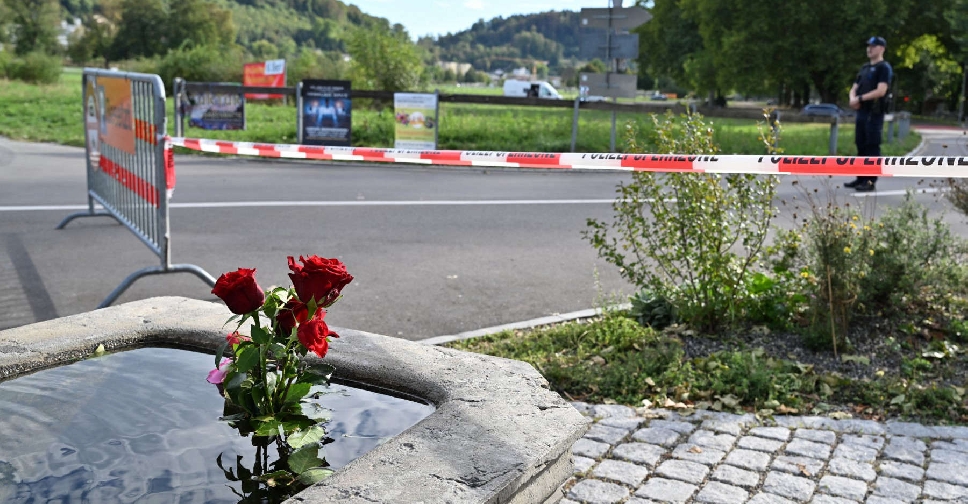 Swiss police arrest suspect after deadly rave shooting
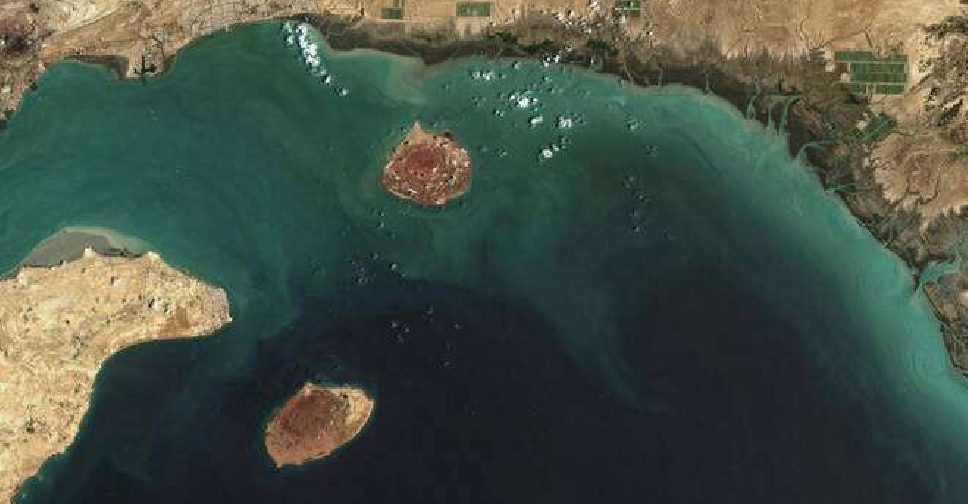 US strikes Iranian launchers on Larak Island
 India must uphold water-sharing treaty with Pakistan, international court says
 Nepal teams seek hundreds trapped in hydropower tunnels after deadly floods
 Italy, Spain extend tit-for-tat border controls after Ceuta migrant surge