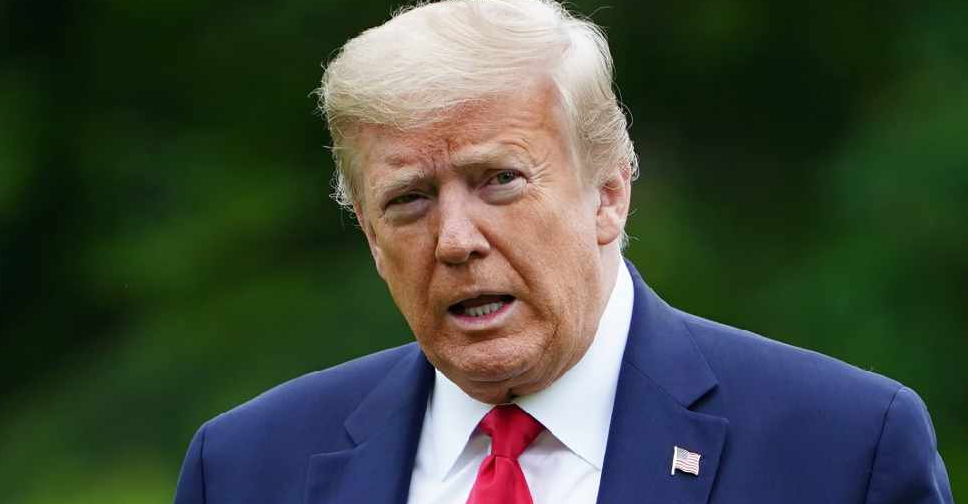
US President Donald Trump said on Wednesday that the memorandum of understanding signed with Iran to end the conflict was "over", adding he didn't want to engage with Tehran.
The interim ceasefire agreement signed between Washington and Tehran - under the mediation of Pakistan - was intended to provide a 60-day window for negotiations on a permanent agreement, but indirect talks in Qatar ended last week with no sign of headway and the US military unleashed a new wave of strikes against Iran on Tuesday.
"To me, I think it's over. I don't want to deal with them," Trump said ahead of a NATO summit in the Turkish capital Ankara.
"As far as I'm concerned, it's just a waste of time dealing with them," he added alongside NATO Secretary General Mark Rutte.
The US on Tuesday also revoked a licence allowing Iran to sell oil after three tankers were hit by projectiles in the Strait of Hormuz.
Under the interim US-Iran agreement, the US Treasury issued a June 22 general licence to allow the sale of crude oil and petrochemical and petroleum products of Iranian origin through August 21. In revoking that license on Tuesday, it gave Iran until July 17 to wind down any transactions.

 Canada to retaliate for US tariffs, worsening ties after talks fail
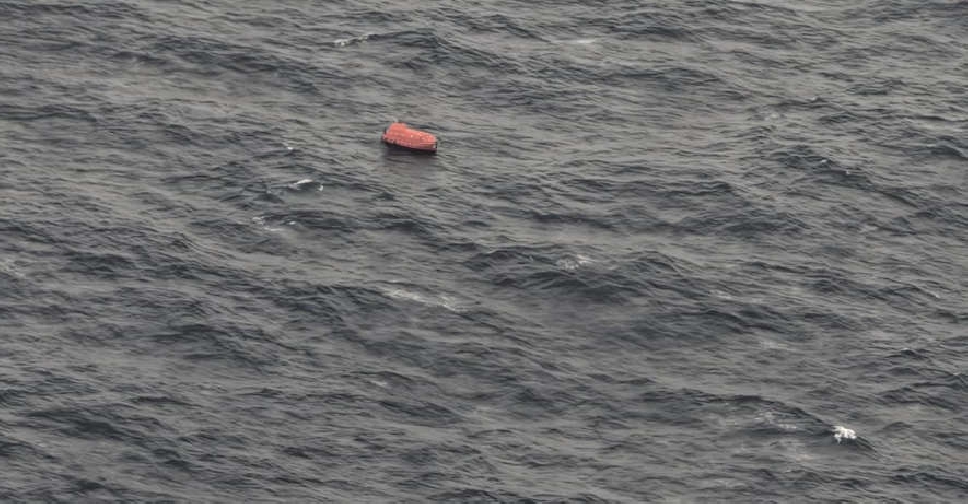 India launches rescue operation as bulk carrier sinks off east coast
 Putin says Ukraine opened 'Pandora's box' with strikes on economic targets
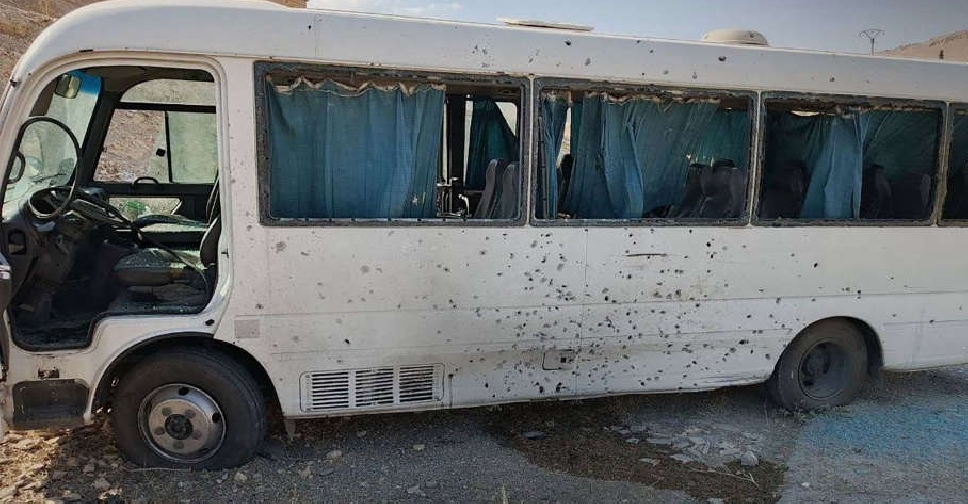 Israel strikes southern Syria, Damascus condemns attack
 EU sends helicopters, firefighters to Serbia to tackle wildfires