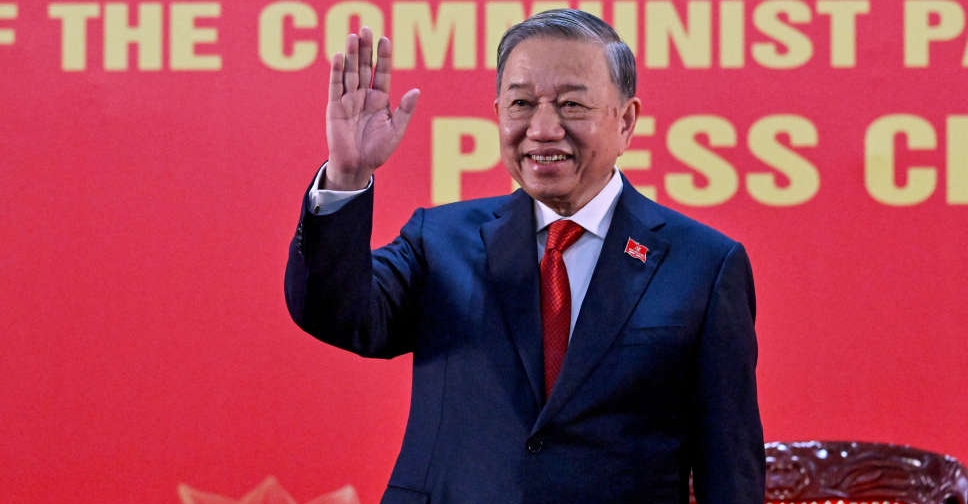
Vietnam's top leader To Lam was re-appointed on Friday as head of the ruling Communist Party for the next five years after a unanimous vote by its central committee, as he pledged to turbocharge growth in the export-reliant nation.
In the one-party state, Lam was re-elected to Vietnam's most powerful job by all 180 party officials from a newly formed committee at the end of a congress held every five years to set key targets and make leadership decisions, the party said.
Viewed as a bold reformist, before the vote Lam promised two-digit growth. Immediately after re-election, he told the congress he wanted a system based on "integrity, talent, courage, and competence," where performance is assessed against tangible results.
SWEEPING REFORMS
During his brief prior stint as party chief since mid-2024, Lam presided over fast growth underpinned by sweeping reforms that won him strong support but also criticism, as tens of thousands of civil servants lost their jobs while he promoted faster decision-making and less red tape.
Aware of the discontent stirred by those reforms, Lam moved early to secure support from rival factions within the party, including the powerful military, according to officials familiar with the process.
As concerns mounted about his plans to bolster private conglomerates at the expense of state-owned firms, Lam issued a directive ahead of the party congress underscoring the "leading role" of state enterprises, which include army-controlled telecom and defence giant Viettel.
"He normally meticulously prepares for his moves," said Le Hong Hiep, senior fellow at the ISEAS Yusof Ishak Institute, noting that Lam, as state security minister, had manoeuvred deftly to reach the apex of Vietnam's political system in 2024 when his late predecessor Nguyen Phu Trong was facing prolonged health issues.
In an address to the congress after his re-election, Lam, 68, said he would maintain party unity. He is also seeking to become Vietnam's president, with a decision expected to be announced later.
Lam's re-election as party chief sends a reassuring message to foreign investors who value political stability, Hiep said.
Hiep added, however, that Lam's bid to combine the two top roles — a system resembling the model under Xi Jinping in neighbouring China — "could pose risks to Vietnam’s political system," which has traditionally depended on collective leadership and internal checks.
LAM TARGETS 10% ANNUAL ECONOMIC GROWTH
Earlier this week, addressing congress delegates sitting in red-upholstered seats in a red-carpeted conference hall under a towering statue of party founder Ho Chi Minh, Lam promised annual growth above 10 per cent through the decade - an ambitious target which differs from World Bank forecasts of an average 6.5 per cent yearly expansion this year and next.
Lam wants to achieve that by changing Vietnam's growth model, which has hinged for decades on cheap labour and exports, turning the Southeast Asian nation into a high-middle-income economy by 2030 thanks to a boost in innovation and efficiency.
In his first months as party chief, he launched the most comprehensive overhaul of the country's public administration and government in decades, and has promised to continue with his reform drive, despite concerns over financial risks, controversial infrastructure and favouritism.

 Six killed in Swiss bus blaze after person reportedly sets themselves on fire
 US says it destroyed mine-laying vessels as Trump warns Iran over strait
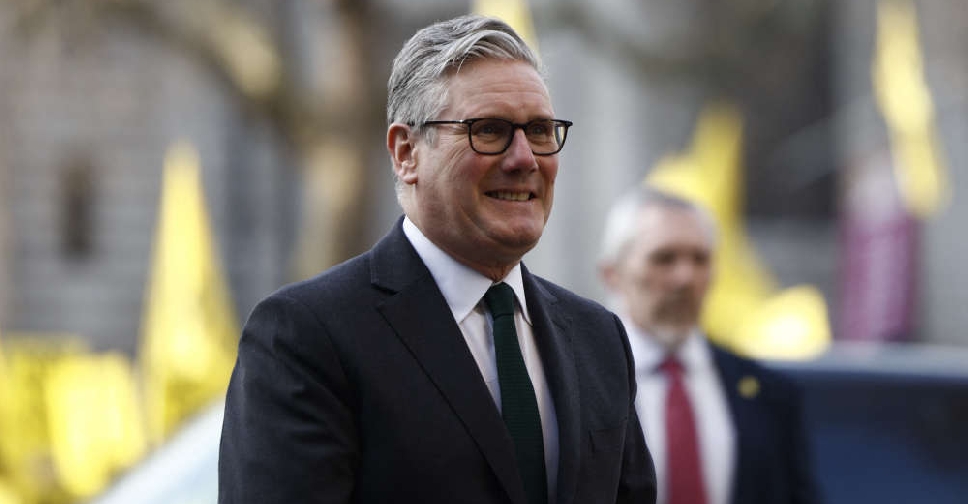 Britain working with allies to support shipping through Strait of Hormuz
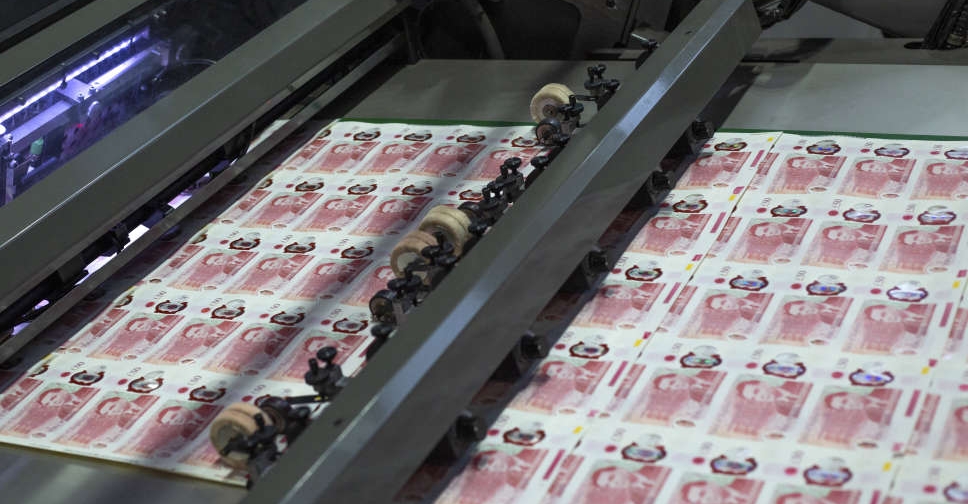 Wildlife to replace humans on next series of UK banknotes
 Five Iranian women's soccer players granted humanitarian visas in Australia