Britain set up a secret scheme to bring thousands of Afghans to the UK after their personal details were disclosed in one of the country's worst ever data breaches, putting them at risk of reprisals from the Taliban after their return to power.
The leak by the Ministry of Defence in early 2022, which led to data being published on Facebook the following year and the secret relocation programme, were subject to a so-called superinjunction preventing the media reporting what happened, which was lifted on Tuesday by a court.
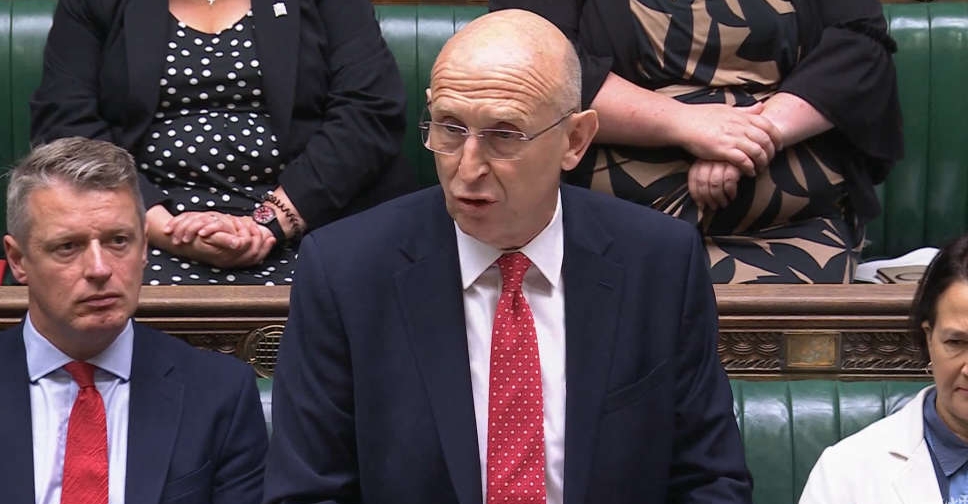
British Defence Minister John Healey apologised for the leak, which included details about members of parliament and senior military officers who supported applications to help Afghan soldiers who worked with the British military and their families relocate to the UK.
"This serious data incident should never have happened," Healey told lawmakers in the House of Commons. "It may have occurred three years ago under the previous government, but to all whose data was compromised I offer a sincere apology."
Healey said about 4,500 Afghans and their family members have been relocated or were on their way to Britain under the previously secret scheme.
But he added that no-one else from Afghanistan would be offered asylum because of the data leak, citing a government review which found little evidence of intent from the Taliban to seek retribution against former officials.
Ranking among the worst security breaches and putting more than 16,000 Afghans — some of whom fought alongside British forces until their chaotic withdrawal in 2021 — at risk, the scheme set up in response was estimated to cost the government about $2.7 billion.
The review, a summary of which was also published on Tuesday, said that those affected had been relocated to the UK as of May this year, though some of those had been relocated to the UK under existing schemes.
News of the leak comes as Britain's public finances are tight and the right-wing, anti-immigration Reform UK political party leads in the opinion polls.
The government is facing lawsuits from those affected by the breach, further adding to the ultimate cost of the incident.
Sean Humber, a lawyer at Leigh Day who has acted for Afghan citizens affected by previous data breaches, said those affected were "likely to have strong claims for substantial compensation" for the anxiety and distress caused by the leak.
British forces were first deployed to Afghanistan in 2001 following the September 11 attacks on the US and they played a major role in combat operations there until 2014.
In early 2022, a spreadsheet containing details of Afghans who had worked for the British government prior to the Taliban takeover in 2021 and had applied for relocation to Britain was emailed to someone outside of government systems by mistake.
The superinjunction was first granted in 2023 after the Ministry of Defence, under the former Conservative government, argued that a public disclosure of the breach could put people at risk of extra-judicial killing or serious violence by the Taliban.
Prime Minister Keir Starmer's centre-left government, which was elected last July, launched a review into the injunction, the breach and the relocation scheme.

 US, Iran and mediators make push for 45-day ceasefire
 US snatches airman from Iran as Trump, Israel ratchet up pressure
 Ships near Italy rescue 32 migrants as 71 remain missing
 Nigerian army rescues 31 hostages after church attack
 At least 11 killed in Israeli airstrikes in Lebanon