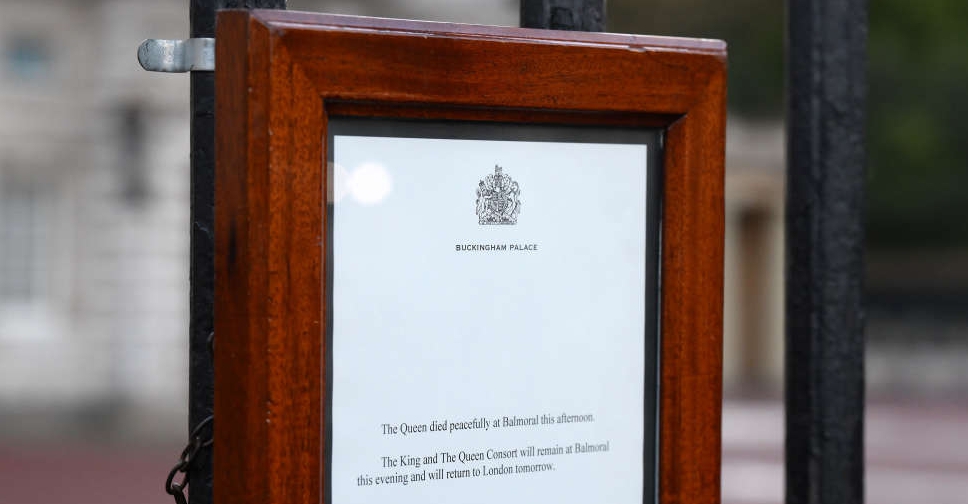
The UK government’s plan for what will happen in the coming days after the death of Queen Elizabeth II is codenamed “Operation London Bridge”.
It's widely expected to include the period of official mourning and details of her state funeral.
The plans were first created in the 1960s and have been updated throughout each year.
Some critical decisions relating to the plan have been made by the Queen herself, although some can only be made by her successor, Charles, the new King.
The phrase "London Bridge is down" was presumed used to communicate the death of the Queen to the UK Prime Minister and key personnel, setting the next phase of the plan into motion.
The royal family are expected to announce details of the queen’s funeral, which traditionally should be held 10 days following her death.
Parliamentary business is likely to be suspended for 10 days and the sovereign’s coffin is suggested will lie in state for three days at the Houses of Parliament.
Indonesian rescuers were searching on Sunday for 130 people from a passenger ship that sank in the Java Sea after 113 others were evacuated, the country's search and rescue agency said, adding that six people had died.
At least five people were wounded in a Russian attack on the Ukrainian city of Odesa on Sunday morning, officials said, a day after strikes on the city killed two people.
Authorities in the Philippines said on Sunday it could take weeks or months to identify the victims of a ferry fire that killed 76 people, as forensic experts begin collecting and comparing DNA samples and investigators determine the cause.
Saudi Arabia shut its East-West oil pipeline on Friday after it was hit in a drone attack, disrupting a key route used to bypass shipping problems in the Strait of Hormuz.


 Rescuers search for 130 people after Indonesia passenger ship sinks; six dead
 Russian drone attack injures five in Ukraine's Odesa, officials say
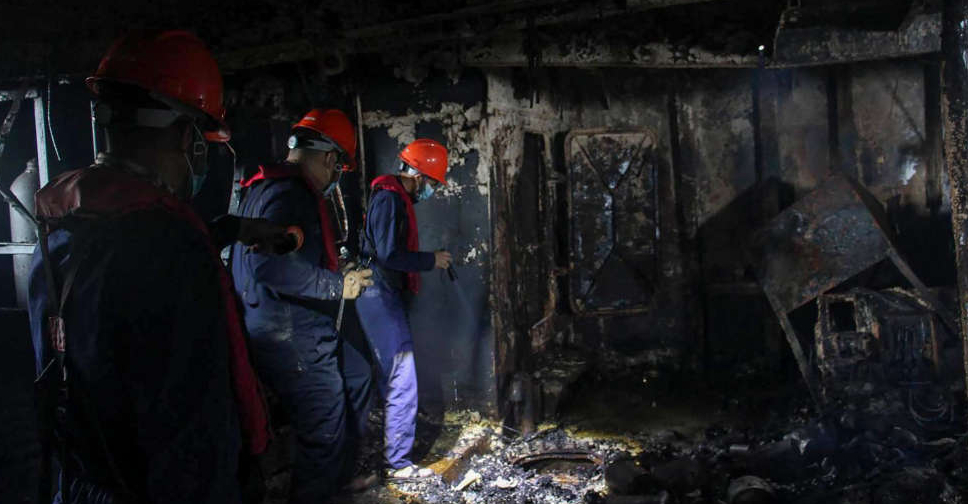 Philippine ferry fire victims may take months to identify, authorities say
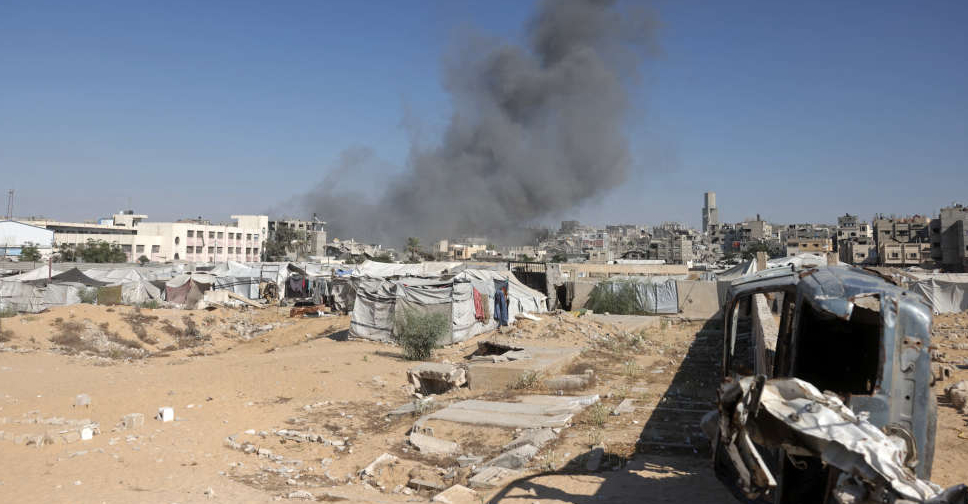 Israeli strike kills two people in Gaza, medics say
 Saudi Arabia shuts key oil pipeline after drone attack