Syrian rebels said on Thursday they had started pushing into Hama, a major city where pro-government forces backed by intense Russian air strikes are trying to stave off a new rebel victory and halt the lightning advance.
Rebel commander Hassan Abdul Ghany posted on social media that they'd begun to penetrate Hama. State media had earlier reported that pro-government forces had repelled an attack.
Rebels have been battling to try to enter Hama since Tuesday and there was heavy fighting overnight with the Syrian army and allied groups supported by a Russian bombardment, both sides said.
The rebels took the main northern city Aleppo last week and have since pushed south from their enclave in northwest Syria, reaching a strategic hill just north of Hama on Tuesday and advancing towards the city's east and west flanks on Wednesday.
Hama has stayed in government hands throughout the civil war, which erupted in 2011 as a rebellion against President Bashar al-Assad. Its fall to a revived insurgency would send shockwaves through Damascus and its Russian and Iranian allies.
The city lies more than a third of the way from Aleppo to Damascus and its capture would open the road to a rebel advance on Homs, the main central city that functions as a crossroads connecting Syria's most populous regions.
Hama is also critical to the control of two major towns with big minority religious communities, Muhrada which is home to many Christians and Salamiya where there are many Ismaili Muslims.
US Central Command said it completed its 11th consecutive day of strikes on Iran, targeting Iranian military operations centres, maritime capabilities, aircraft hangars, drone storage facilities, and military logistics infrastructure.
India's education minister said that Prime Minister Narendra Modi's administration was committed to addressing the concerns of protesting youth and exam reforms, in the latest sign that the government was beginning to respond to growing protests.
US Secretary of State Marco Rubio said on Wednesday the United States is still willing to negotiate an end to the Iran crisis but Tehran is not serious about talks, as the widening conflict disrupted two of the world's most critical energy chokepoints.
President Donald Trump said on Tuesday, after meeting with Lebanon's President Joseph Aoun, that he was directing the US government to allow all domestic airline carriers to fly directly to that country.
US forces bombed targets in southern Iran overnight after President Donald Trump said Tehran would pay dearly for the deaths of American soldiers, while Iran targeted US sites in Bahrain, Kuwait and Jordan and a tanker was hit in the Strait of Hormuz.
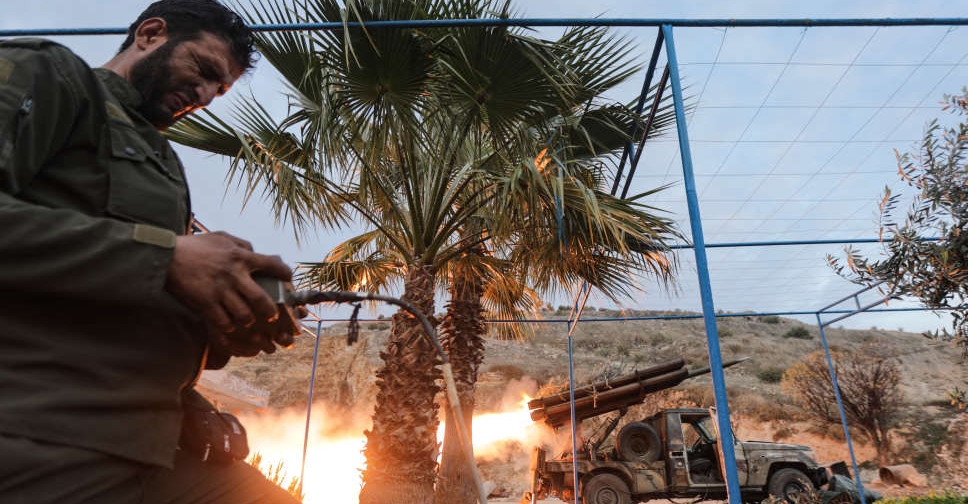

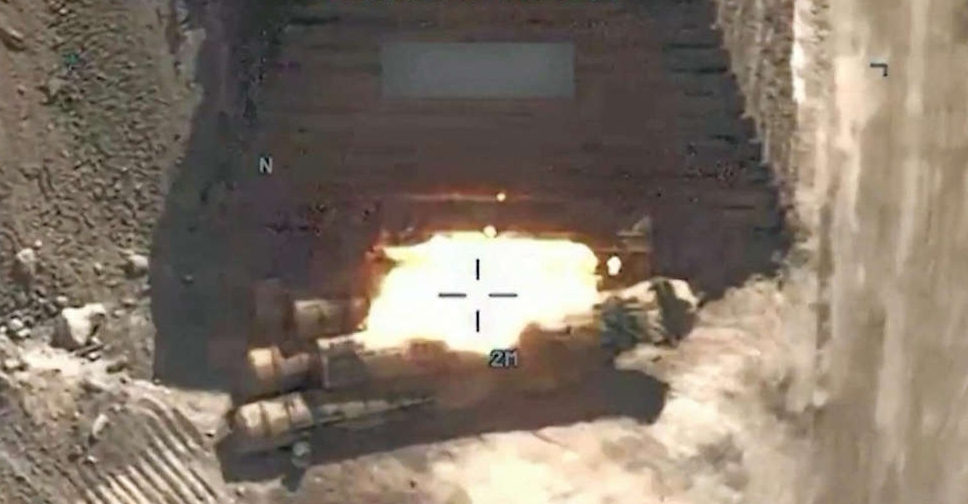 US military marks 11th successive night of attacks on Iran
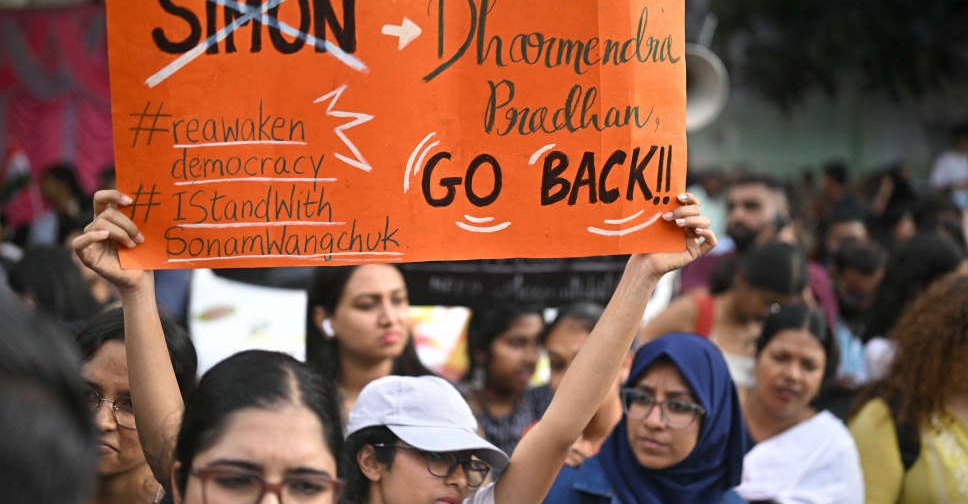 Under soaring pressure, India's education minister promises reforms and debate
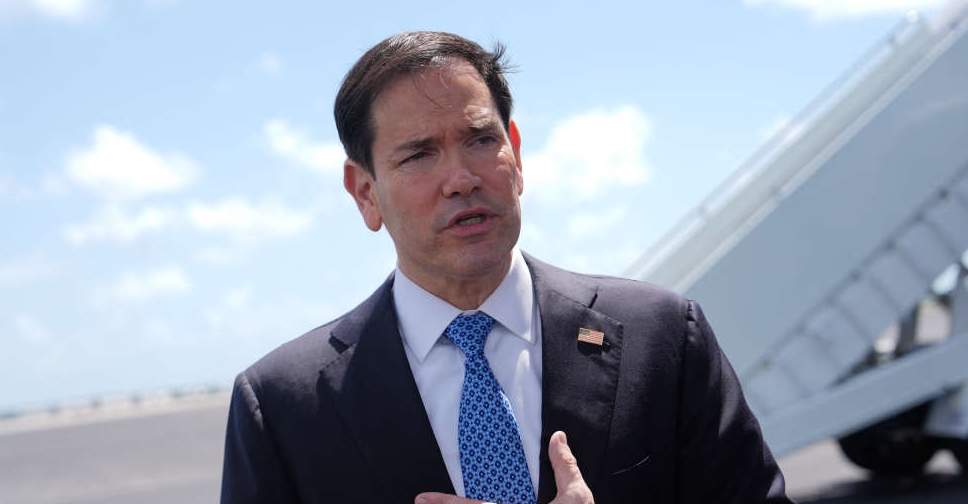 Rubio says US still willing to negotiate over Iran crisis
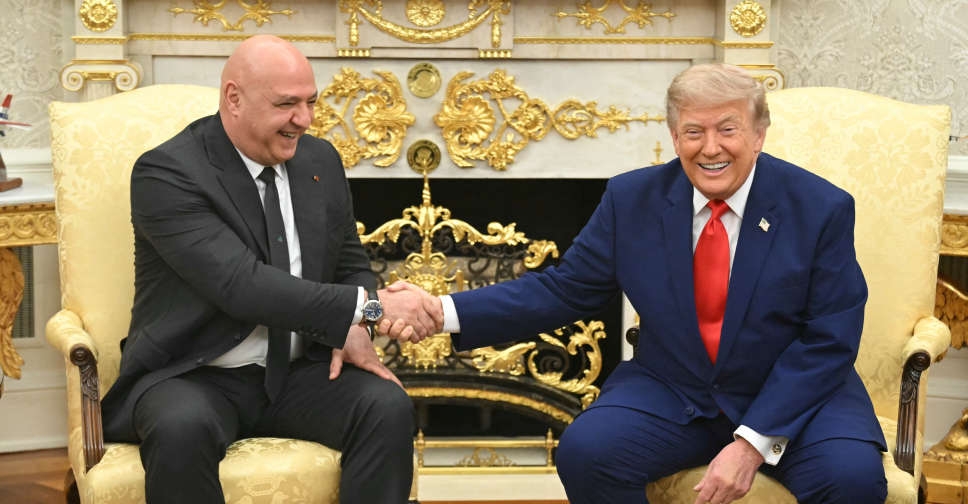 Trump says US airlines can now fly to Lebanon for first time since 1985
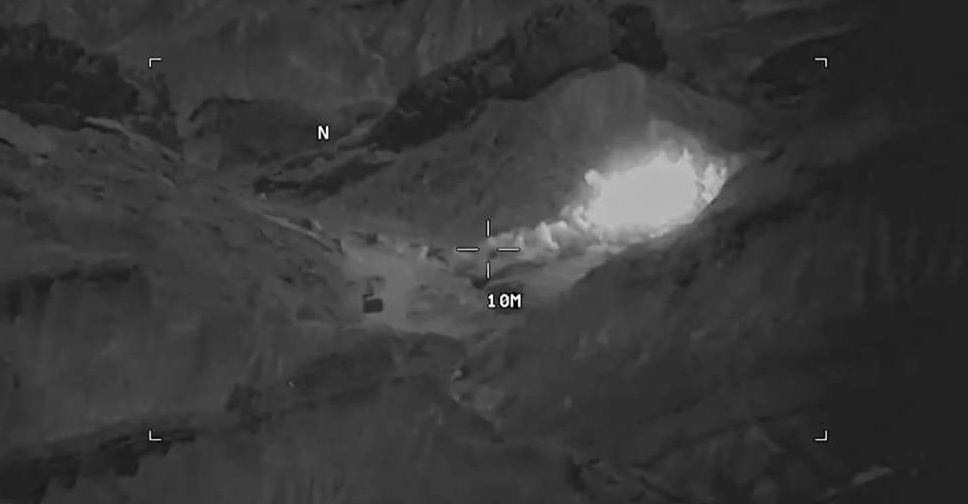 Bahrain, Kuwait, Jordan face renewed Iranian attacks after US hits Iran's south