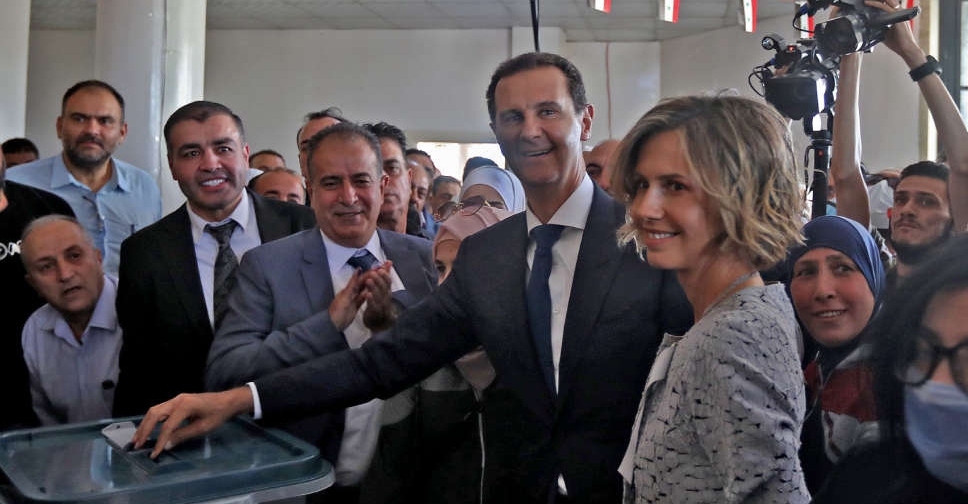
Syrian President Bashar al-Assad and his wife Asma cast their votes at a polling station near Damascus in 2021. AFP/ LOUAI BESHARA
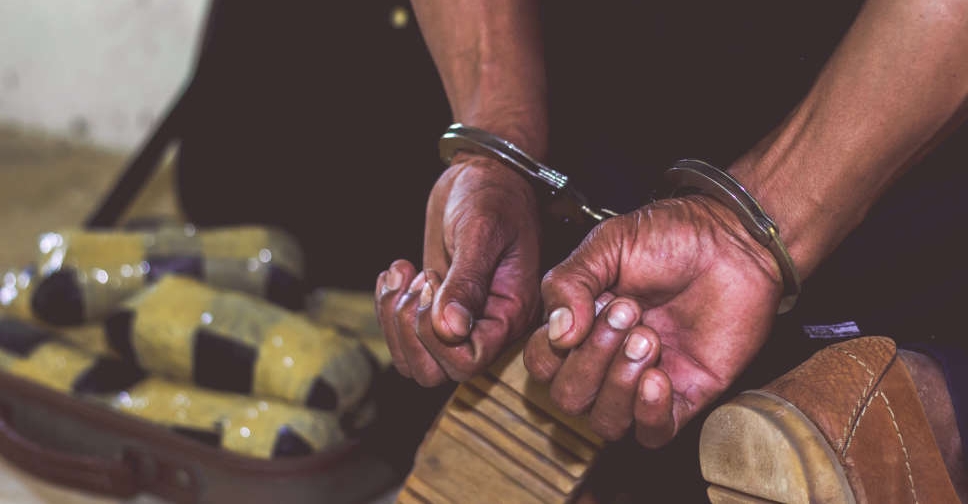
Syrian authorities have freed 60 detainees, including some held in regime prisons for over a decade, in a presidential amnesty which also covers terror-related convictions, a war monitor said on Monday.
"About 60 detainees have been released since Sunday, from various Syrian regions, some of whom have spent at least 10 years in regime prisons notorious for killings and torture," the Syrian Observatory for Human Rights said.
President Bashar al-Assad has issued several amnesty decrees during the country's 11-year war, which broke out after the regime cracked down on mostly peaceful protesters.
But human rights activists said the new decree issued on Saturday is the most comprehensive.
The new decree calls for "granting a general amnesty for terrorist crimes committed by Syrians" before April 30, 2022, "except for those leading to the death of a person".
This would mean that tens of thousands of detainees could be released, according to Observatory chief Rami Abdel Rahman.
Many are accused of terrorism offences, "a loose label used to convict those who are arbitrarily arrested", he said.
Pakistan said it launched strikes on targets in Afghanistan after blaming recent suicide bombings, including assaults during the holy month of Ramadan, on fighters it said were operating from its neighbour's territory.
One police officer was killed and 24 other people were injured after several explosive devices detonated at midnight in Lviv in western Ukraine, the National Police said on Sunday.
President Donald Trump said on Saturday he will raise a temporary tariff from 10 per cent to 15 per cent on US imports from all countries, the maximum level allowed under the law, after the US Supreme Court struck down his previous tariff programme.
The move came less than 24 hours after Trump announced a 10% across-the-board tariff on Friday after the court's decision. The ruling found the president had exceeded his authority when he imposed an array of higher rates under an economic emergency law.
The new levies are grounded in a separate but untested law, known as Section 122, that al
Hong Kong proposes to spend about HK$4 billion ($512 million) to buy out the owners of homes in a high-rise housing complex ravaged by a massive fire to resettle nearly 2,000 affected households.
The US Supreme Court struck down Donald Trump's sweeping tariffs that he pursued under a law meant for use in national emergencies, handing a stinging defeat to the Republican president in a landmark opinion on Friday with major implications for the global economy.


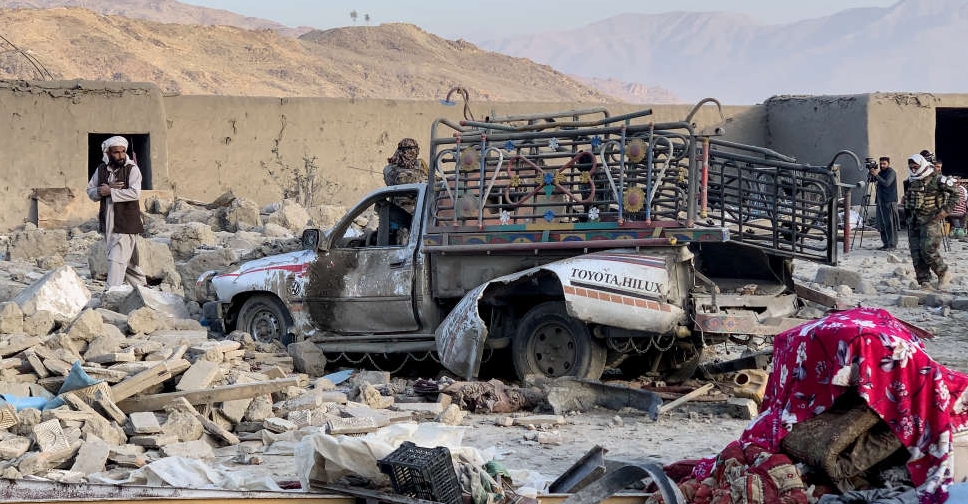 Afghanistan says Pakistan strikes kill and injure dozens
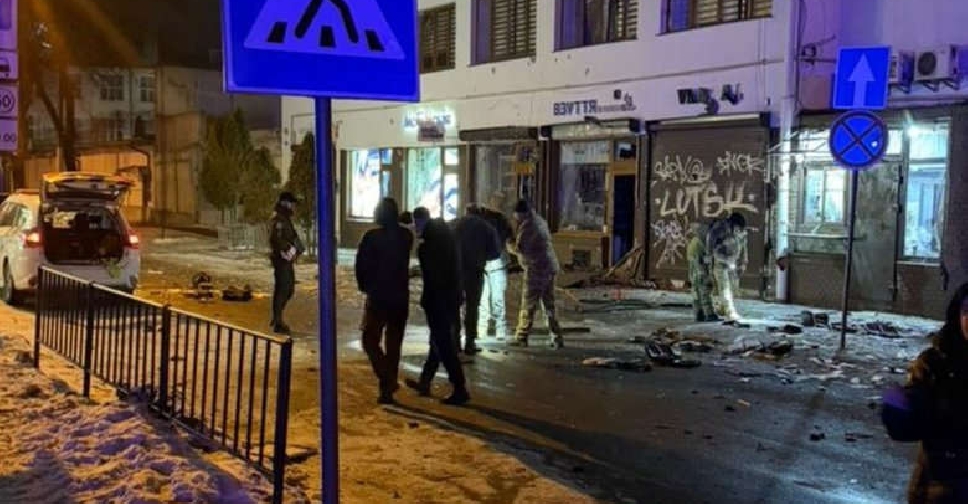 Police officer killed, dozens injured in bomb explosions in Ukraine's Lviv
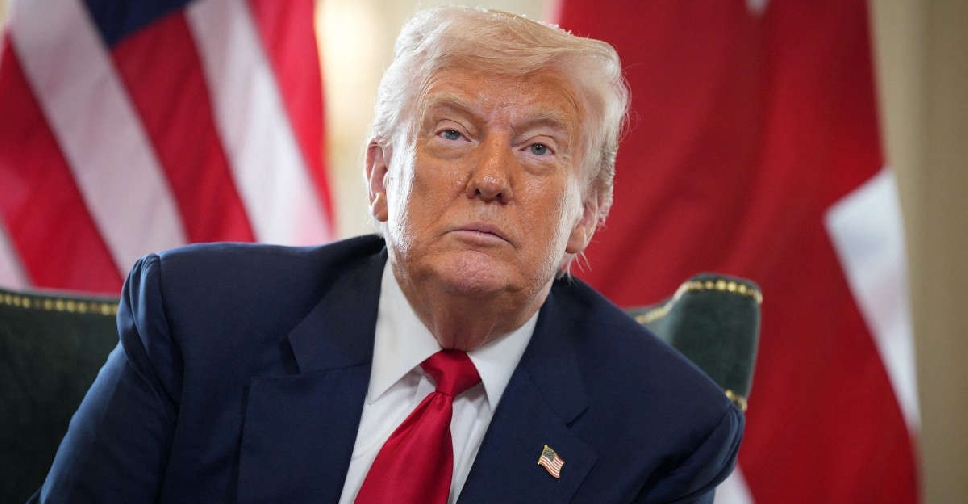 Trump pivots to new 15% global tariff after Supreme Court setback
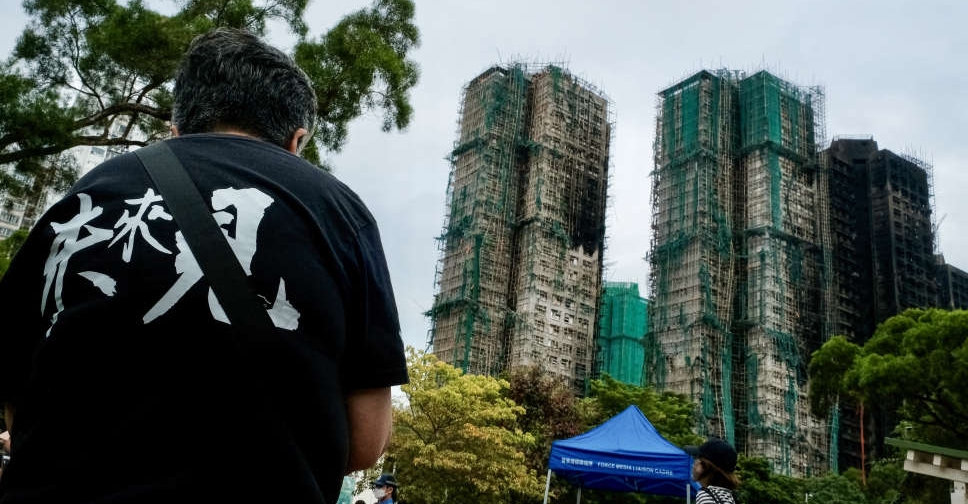 Hong Kong plans to buy homes devastated in deadly high-rise fire
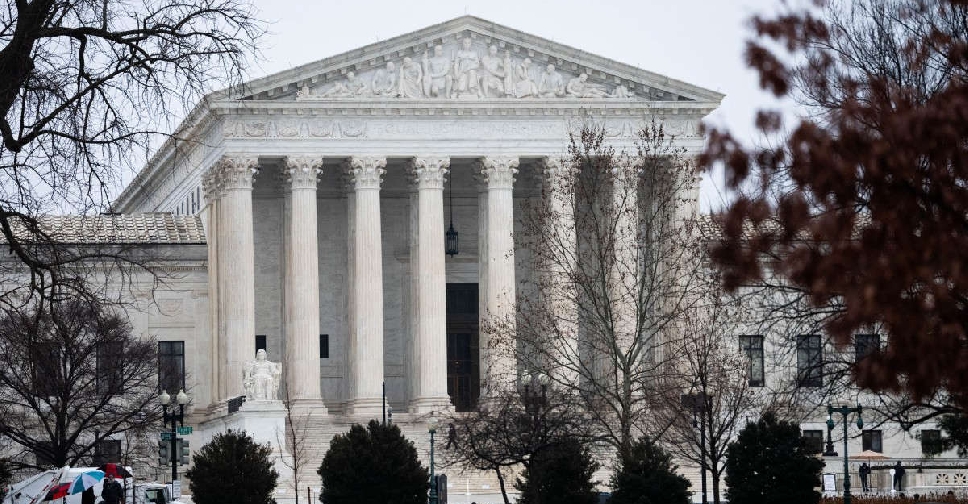 US Supreme Court strikes down Trump's global tariffs