US-mediated talks between Syria and Israel have resumed after an interruption of several months, Syria's state news agency SANA reported on Monday, with Damascus seeking withdrawal of Israeli troops from territory seized after the fall of Bashar al-Assad.
SANA, citing a Syrian government source, said the Syrian delegation was led by Foreign Minister Asaad al-Shibani and intelligence chief Hussein al-Salama.
The resumption of the talks reflects a push by Damascus to reclaim what it describes as its non-negotiable national rights, the source said.
The discussions are focused on reviving a 1974 disengagement agreement that established a UN-monitored buffer zone between Israel and Syria after the 1973 Middle East war, SANA said.
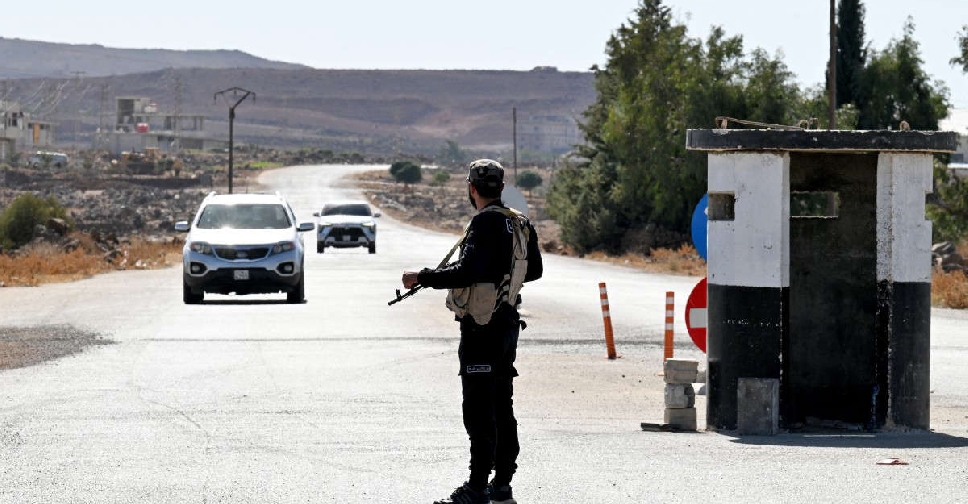
Israeli troops advanced deeper across the border after Assad was toppled on December 8, 2024 by rebel fighters who assumed Syria's leadership.
Israel has also intervened in what it calls missions to protect ethnic minority Druze in southwestern Syria.
Syria is seeking an Israeli withdrawal to positions held before Assad was toppled, and wants a reciprocal security framework guaranteeing its sovereignty and preventing interference in its internal affairs.
A Syrian official told Reuters last month that talks had been stalled since October, but that Syria expected a possible shift following a December 29 meeting between US President Donald Trump and Israeli Prime Minister Benjamin Netanyahu.
The Syrian official said Damascus considered Israel's withdrawal from territory it took after Assad's fall to be a "red line" and that Syria had been asked to consider a phased withdrawal by Israeli troops.
"We're not going to legitimize an Israeli presence in Syria or the Golan Heights for that matter," the official said.
Under previous rounds of US-mediated talks in Paris and Washington, Syria has pressed for a deal similar to the 1974 disengagement accord, which separated forces and maintained a ceasefire for decades, though formal peace was never achieved.
Syria's leadership has also sought an end to Israeli air strikes and incursions.
Israel has said it would conclude an agreement only on terms safeguarding its security interests, including demilitarisation of parts of southwestern Syria and protections for minority communities. It has yet to publicly commit to a full withdrawal to pre-2024 lines.

 Trump vows to blockade Strait of Hormuz after Iran peace talks stumble
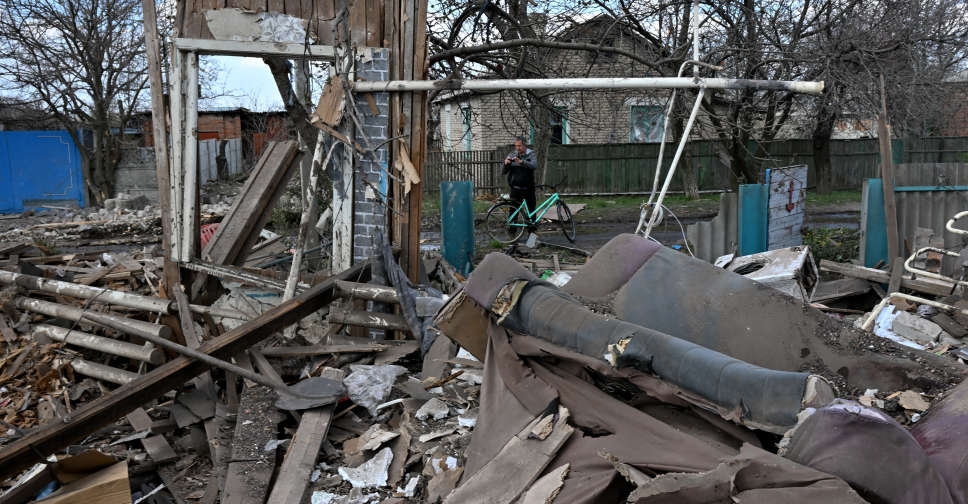 Russia, Ukraine trade accusations of ceasefire violations
 At least 30 dead in stampede at Haiti’s historic Laferriere Citadel
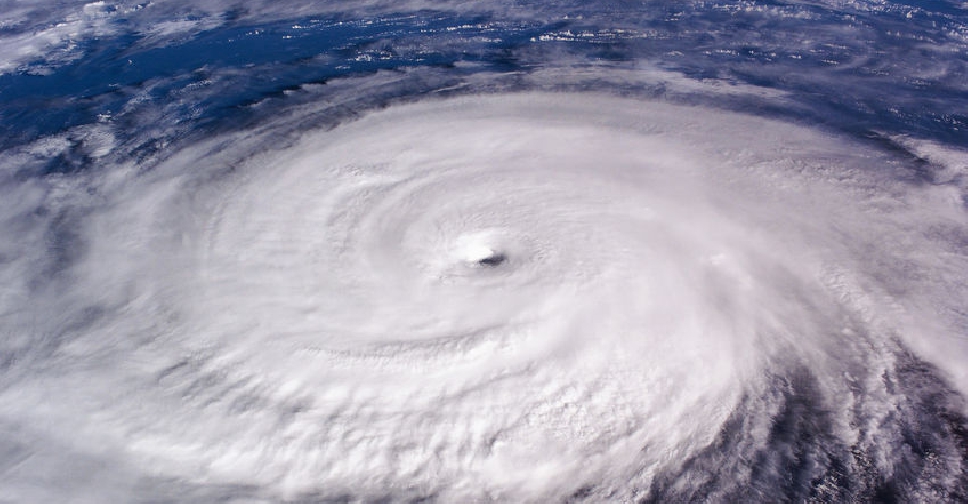 Cyclone lashes New Zealand's North Island, hundreds evacuated
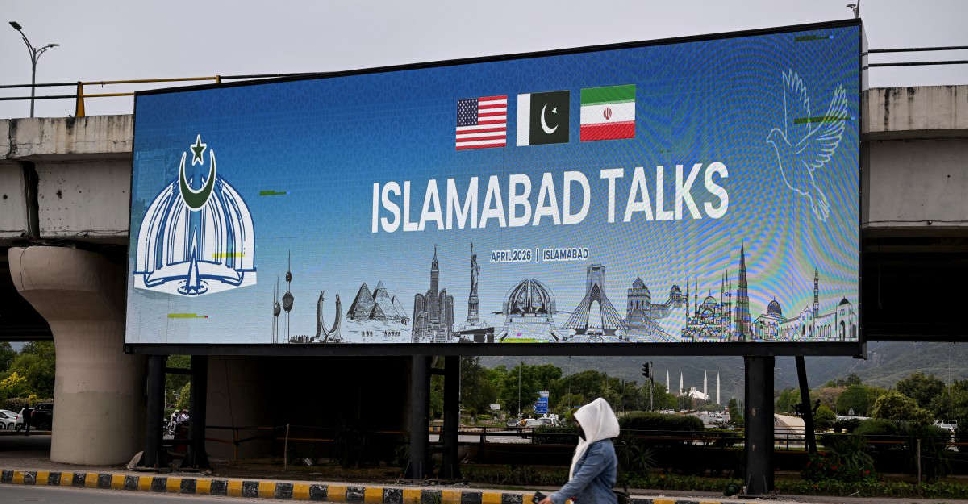 US-Iran talks pause for now, disagreements remain