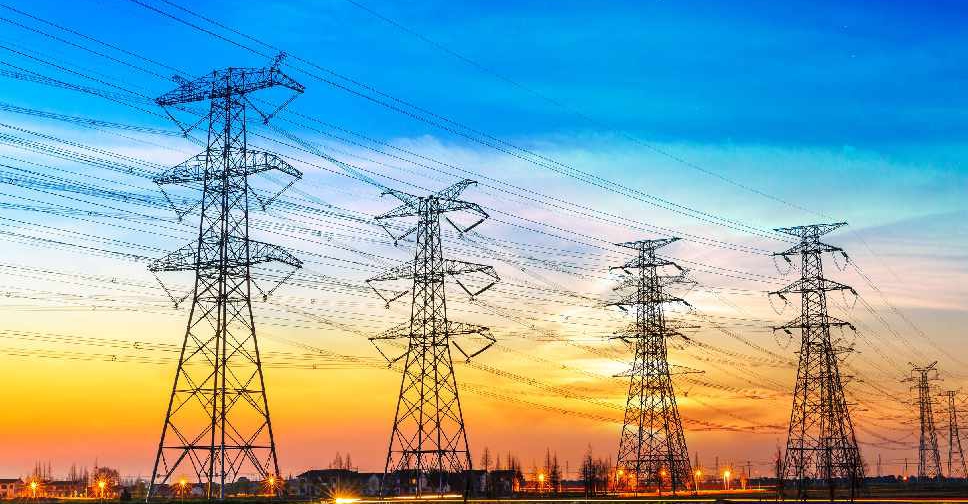
South Africa has revoked a national "state of disaster" declared in February to manage a crippling electricity crisis, the government said on Wednesday.
The state of disaster gave the government additional powers to respond to the crisis, including by permitting emergency procurement procedures with fewer bureaucratic delays and less oversight.
Government will now work through its Energy Crisis Committee to reduce the impact of power cuts using existing legislation and contingency arrangements, Cooperative Governance and Traditional Affairs (CoGTA) minister Thembi Nkadimeng said in a statement.
As part of efforts to mitigate the impact of the crisis, newly appointed electricity minister Kgosientsho Ramokgopa in recent weeks visited utility Eskom's power stations and had consultations within government and with Eskom aimed at resolving the electricity shortages, CoGTA said.
The government decided to terminate the disaster regulations in view of those developments, it said.
State of disaster legislation was used to enable health authorities to respond more swiftly to the COVID-19 pandemic, but some analysts doubted it would help the government expand power supply much quicker.
The disaster regulations over the power crisis were also challenged in court.
"The state is withdrawing the national state of disaster in response to OUTA's legal action challenging its rationality," said OUTA, a non-profit organisation that focuses on fighting government corruption and tax abuses.
OUTA said the disaster regulations would have enabled corruption and that the crisis could be managed using existing laws.
President Cyril Ramaphosa invoked disaster regulations on February 9 to fight a paralysing power crisis that has included daily rolling power cuts by Eskom.
Eskom has implemented scheduled electricity outages every day this year, with most households and businesses without power for up to 10 hours a day.
Eskom said it would not comment on the state of disaster withdrawal until it engaged with the government.


 Iran threatens to retaliate for US blockade
 One killed in Ukraine despite Easter ceasefire, officials say
 Haiti declares three days of national mourning for 25 killed in stampede
 Australia appoints woman to lead its army for the first time
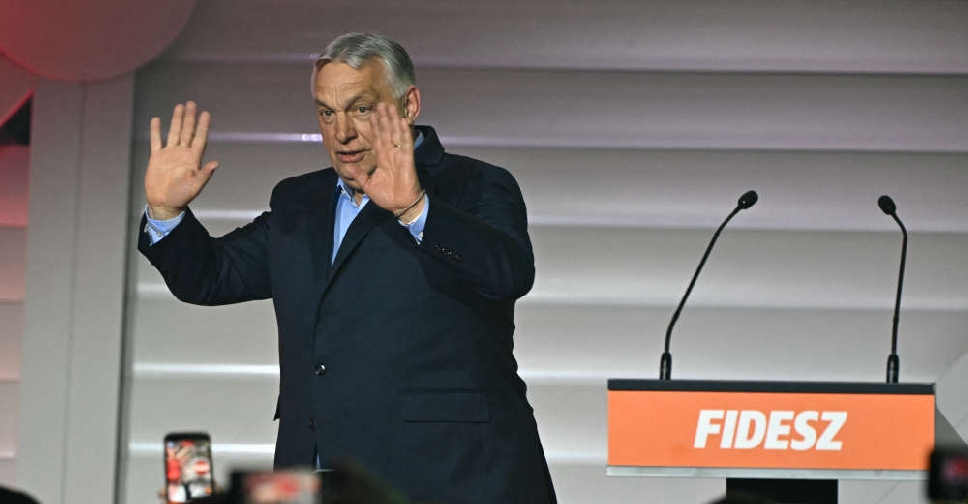 Orban ousted after 16 years as Hungarians flock to pro-EU rival