Britain's AstraZeneca said good data was coming in on its vaccine for COVID-19.
"The vaccine development is progressing well. We have had good data so far. We need to show the efficacy in the clinical programme, but so far, so good," Chief Executive Pascal Soriot said on a media call.
AstraZeneca has already reached deals with countries to make more than 2 billion doses of its COVID-19 vaccine, developed in partnership with the University of Oxford, and says it could be approved by the end of this year.
The company has had a busy few months - it took on development of the COVID-19 shot, received billions in government funding, signed several supply deals, and was even the subject of a mega-merger speculation - all while marching on with its core business.
There are no approved vaccines for the illness caused by the new virus, but AstraZeneca's shot is widely considered the leading candidate after results from early-stage human trials showed it was safe and produced an immune response.
The drugmaker also announced second-quarter results that beat its sales and profit estimates, thanks to its diverse product line-up.
The US and Iran failed to reach an agreement to end their war despite marathon talks that concluded on Sunday in the Pakistani capital Islamabad, jeopardising a fragile ceasefire.
Russia and Ukraine accused each other on Sunday of breaching the 32-hour ceasefire in their four-year war, reporting more than a thousand drone and shelling attacks just hours after the truce began on Saturday to mark Orthodox Easter.
At least 30 people were killed on Saturday in a stampede at the Laferriere Citadel in the northern countryside of Haiti, authorities said, warning that the death toll could rise.
A cyclone battered New Zealand's North Island on Sunday, cutting power to thousands of residents and forcing hundreds to evacuate, as officials warned conditions would worsen through the day.
Negotiations between the United States and Iran appeared to have concluded for now, Iran's government has announced early on Sunday, after a series of talks in Pakistan to end the six-week war between Washington and Tehran.



 US-Iran peace talks end without agreement, delegations leave Pakistan
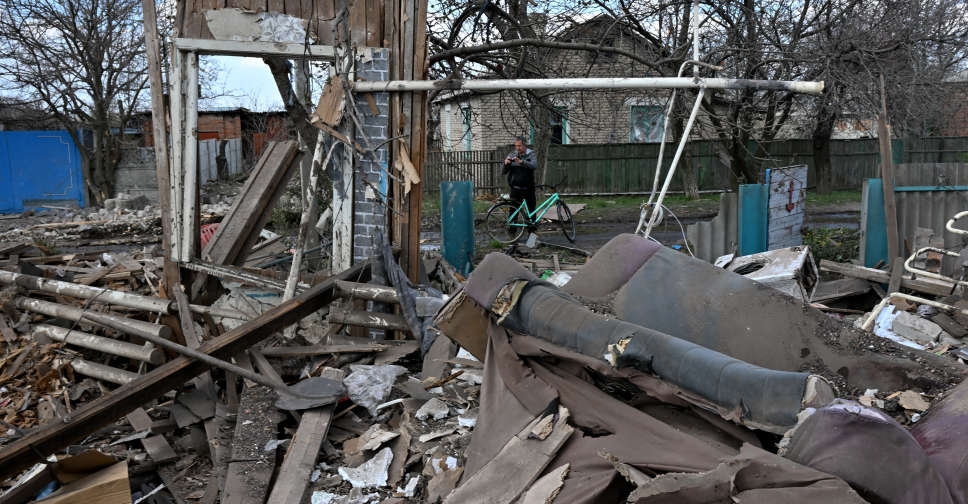 Russia, Ukraine trade accusations of ceasefire violations
 At least 30 dead in stampede at Haiti’s historic Laferriere Citadel
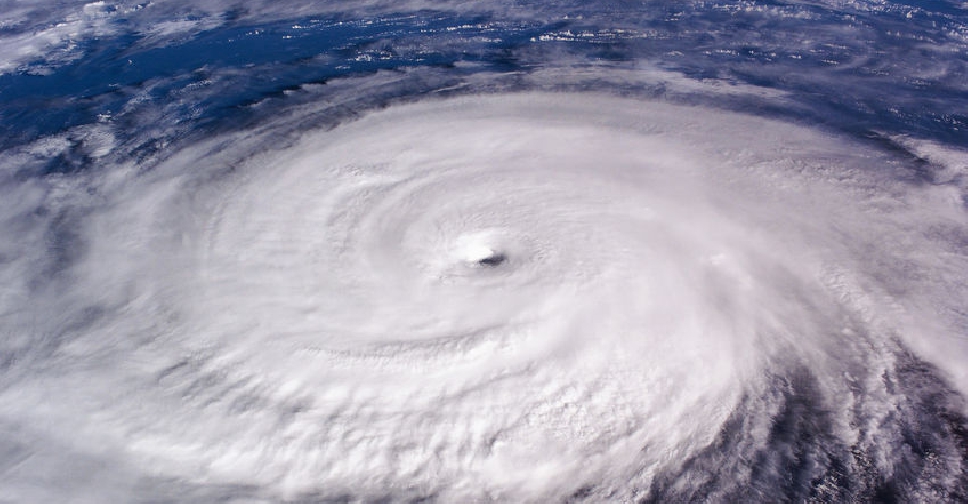 Cyclone lashes New Zealand's North Island, hundreds evacuated
 US-Iran talks pause for now, disagreements remain