Around 60 Afghan girls were hospitalised after being poisoned at their school in northern Afghanistan, police said on Monday.
The poisoning, which targeted a girls' school in the Afghan province of Sar-e Pol, comes after intense scrutiny of girls' education in the war-torn nation since the Taliban took over and barred most teenage female students and after a wave of poison attacks on girls' schools in neighbouring Iran.
"Some unknown people entered a girls' school in Sancharak District and poisoned the classes, when the girls come to classes they got poisoned," said Den Mohammad Nazari, Sar-e-Pol's police spokesperson, without elaborating on which substance was used or who was thought to be behind the incident.
Nazari said the girls had been taken to hospital but were in "good condition". No one had been arrested.
The Taliban administration has prevented most female students from attending high school and university since taking over in 2021, sparking condemnation from international governments and many Afghans.
Taliban authorities have kept primary schools open for girls, up until the age of around 12 and say they are in favour of female education under certain conditions.
Indonesian rescuers were searching on Sunday for 130 people from a passenger ship that sank in the Java Sea after 113 others were evacuated, the country's search and rescue agency said, adding that six people had died.
At least five people were wounded in a Russian attack on the Ukrainian city of Odesa on Sunday morning, officials said, a day after strikes on the city killed two people.
Authorities in the Philippines said on Sunday it could take weeks or months to identify the victims of a ferry fire that killed 76 people, as forensic experts begin collecting and comparing DNA samples and investigators determine the cause.
Saudi Arabia shut its East-West oil pipeline on Friday after it was hit in a drone attack, disrupting a key route used to bypass shipping problems in the Strait of Hormuz.



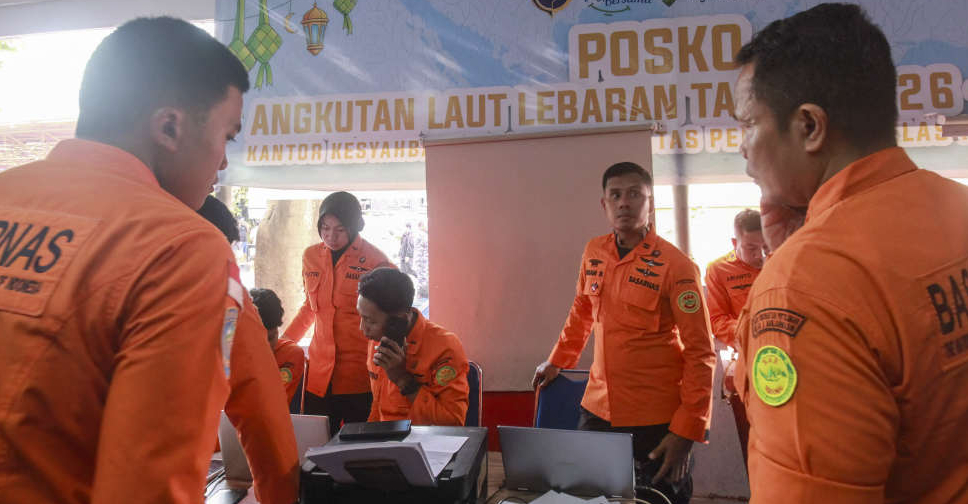 Rescuers search for 130 people after Indonesia passenger ship sinks; six dead
 Russian drone attack injures five in Ukraine's Odesa, officials say
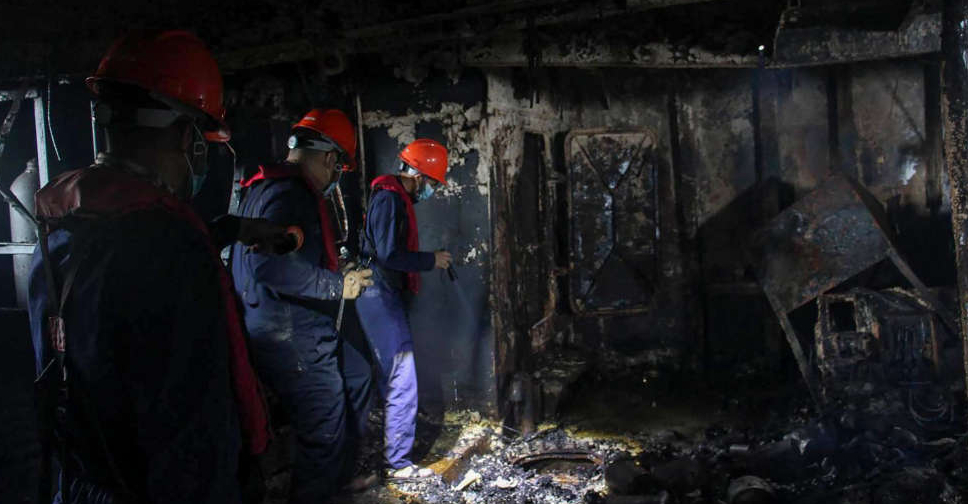 Philippine ferry fire victims may take months to identify, authorities say
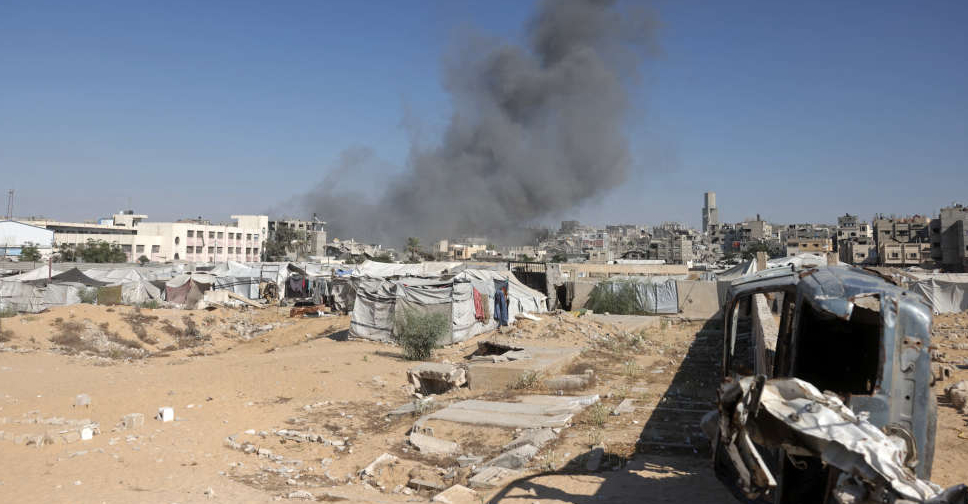 Israeli strike kills two people in Gaza, medics say
 Saudi Arabia shuts key oil pipeline after drone attack