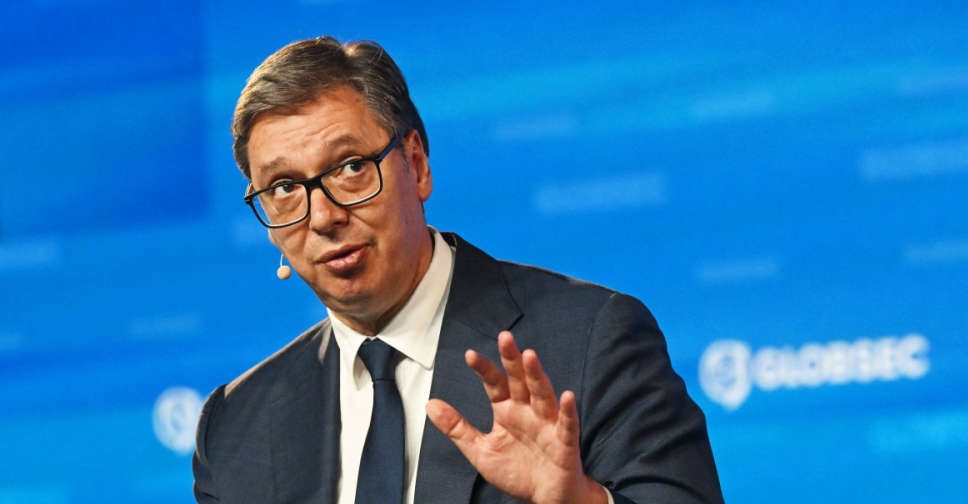
Serbia's President Aleksandar Vucic said on Saturday his country was unlikely to enter the European Union in 2028, a date targeted by some other western Balkan countries hoping to join the bloc.
"I don't believe we are going to be a part of the European Union in 2028," Vucic told a panel of the Globsec security conference in Prague. "It's not going to happen (EU membership), I don't lie to my people."
"And I believe that if some of us might become members of the EU, it cannot happen before 2030, but that is just my assessment," he added. "What might happen in the meantime, nobody knows."
Vucic's remarks came two days after Serbia made a landmark weapons deal with France's Dassault Aviation AM.PA by purchasing 12 new Rafale fighter jets, in a major shift away from its defence cooperation with Moscow.
To join the EU, Serbia has to improve its democracy, the rule of law, its judiciary, the economy, and root out corruption and organised crime.
Serbia has faced a balancing act between its EU aspirations and its ties to Russia, on which it is dependent for gas and which has supported Belgrade in its opposition to the 2008 independence of Kosovo.
Serbia has repeatedly condemned Russia's invasion of Ukraine and supplies Kyiv with artillery ammunition, but Belgrade must still align its foreign policies with those of the EU, including the introduction of sanctions against Moscow, if it wants to join the bloc.
Speaking on the same Globsec panel on Saturday, Montenegrin President Jakov Milatovic said his country, which is already a member of NATO, hoped to join the EU by 2028.
"We would like to come to the final stage, and now the goal is to become the 28th member state of the EU as of 2028. This is an ambitious goal, but I very much hope (it) to be a realistic goal," he said.

 US military to begin Iran maritime blockade on Monday
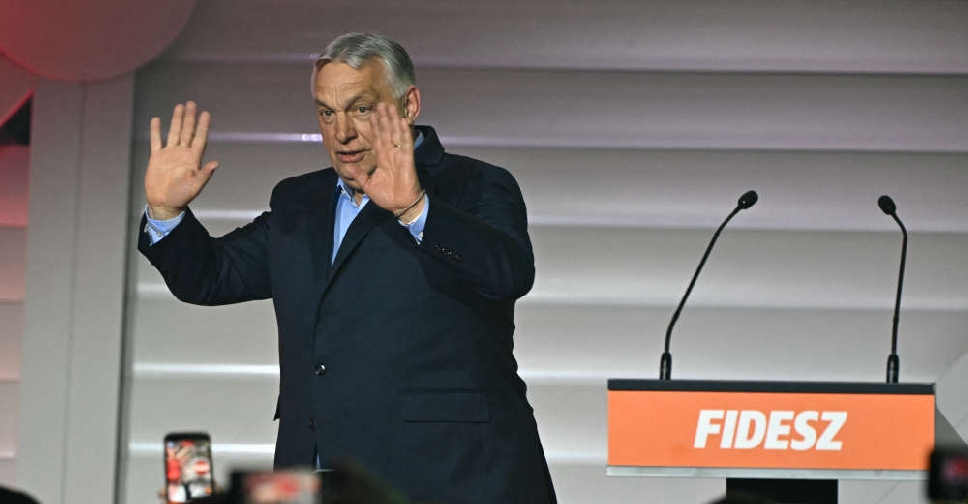 Hungary's Orban concedes landmark election defeat
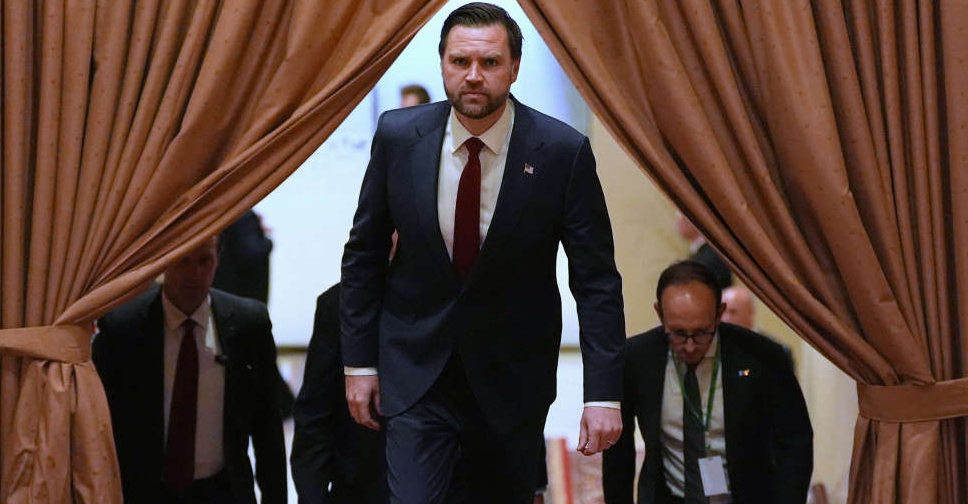 Trump vows to blockade Strait of Hormuz after Iran peace talks stumble
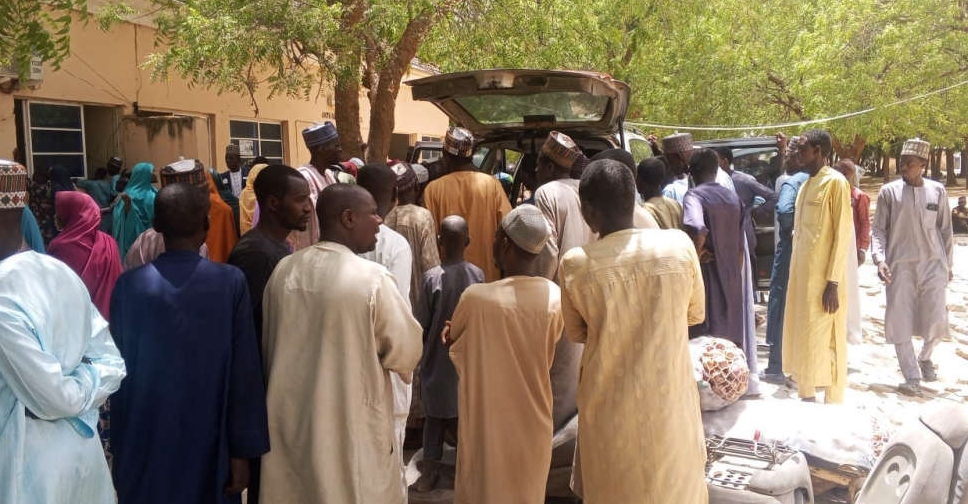 Nigerian airstrike hits market, 200 feared dead
 Russia, Ukraine trade accusations of ceasefire violations