Syria and Saudi Arabia have agreed to reopen their embassies, three sources with knowledge of the matter said, a step that would mark a leap forward in Damascus' return to the Arab fold.
The two governments were "preparing to reopen embassies after Eid al-Fitr", a second regional source aligned with Damascus told Reuters.
The decision was the result of talks in Saudi Arabia with a senior Syrian intelligence official, according to one of the regional sources and a diplomat in the Gulf.
The Saudi government's communication office, the kingdom's foreign ministry and the Syrian government did not respond to requests for comment.
Saudi state television later confirmed that talks were ongoing with the Syrian foreign ministry to resume consular services, citing a Saudi foreign ministry official.
The sources spoke on condition of anonymity due to the sensitivity of the subject.
The re-establishment of ties between Riyadh and Damascus mark the most significant development yet in moves by Arab states to normalise ties with Syrian President Bashar al-Assad since the civil war began in 2011.
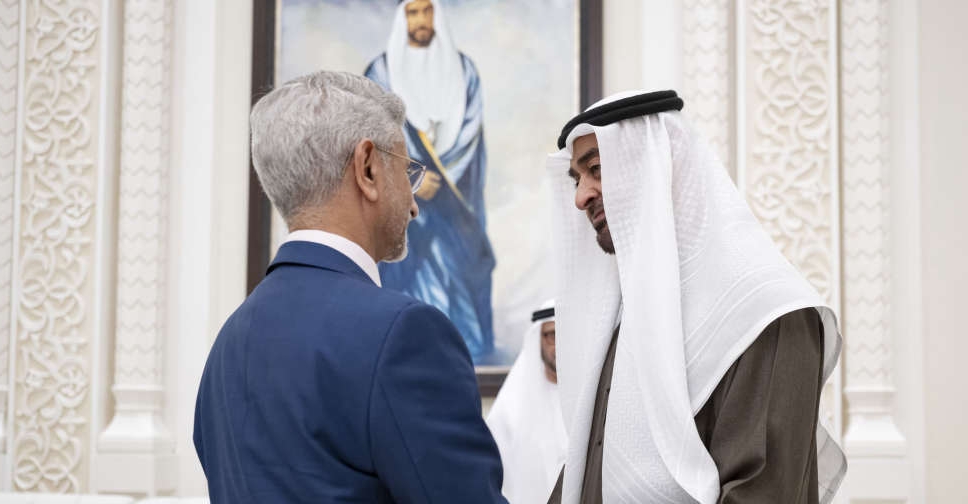
The UAE has led the way in normalising contacts with Assad, recently receiving him in Abu Dhabi with his wife.
President Donald Trump said on Sunday the US Navy would immediately start blockading the Strait of Hormuz, raising the stakes after marathon talks with Iran failed to reach a deal to end the war, jeopardising a fragile two-week ceasefire.
At least 200 people are feared dead after Nigerian military jets struck a village market while pursuing rebels in the northeast of the country on Saturday night, a councillor for the area and residents said on Sunday.
Russia and Ukraine accused each other on Sunday of breaching the 32-hour ceasefire in their four-year war, reporting more than a thousand drone and shelling attacks just hours after the truce began on Saturday to mark Orthodox Easter.
At least 30 people were killed on Saturday in a stampede at the Laferriere Citadel in the northern countryside of Haiti, authorities said, warning that the death toll could rise.
A cyclone battered New Zealand's North Island on Sunday, cutting power to thousands of residents and forcing hundreds to evacuate, as officials warned conditions would worsen through the day.



 Trump vows to blockade Strait of Hormuz after Iran peace talks stumble
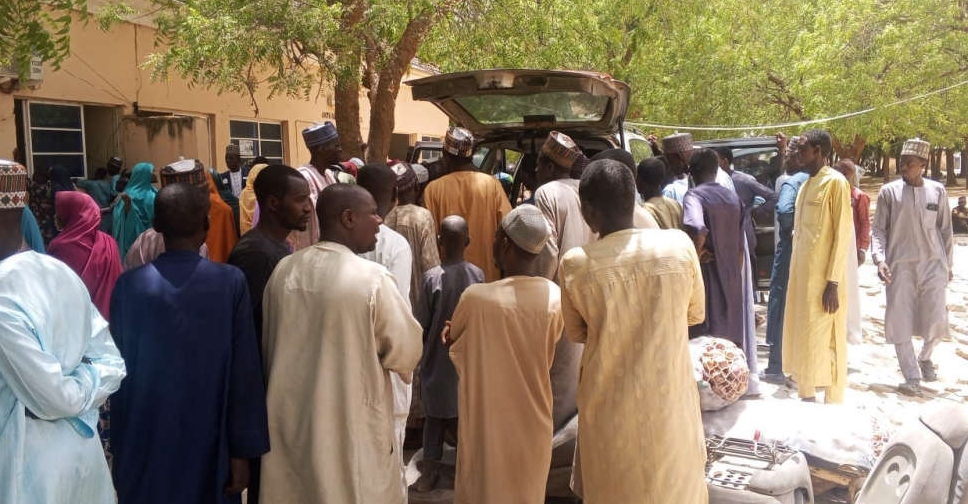 Nigerian airstrike hits market, 200 feared dead
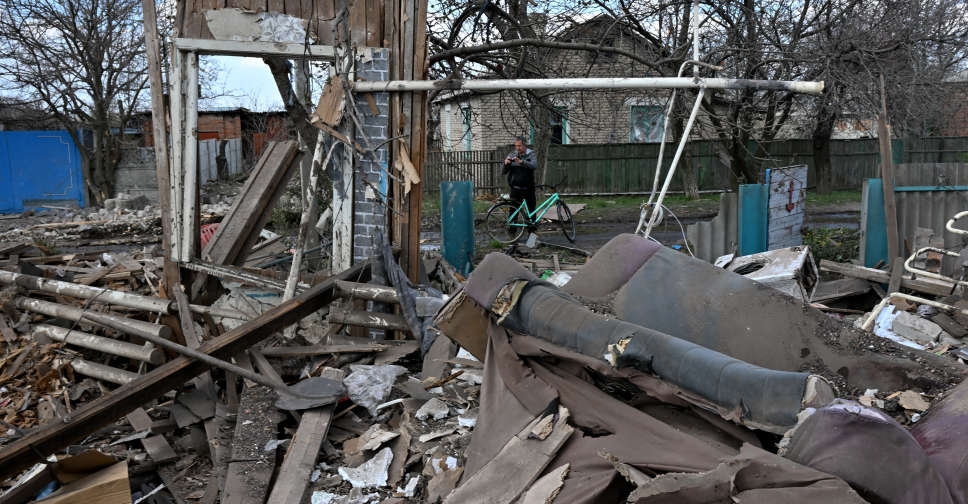 Russia, Ukraine trade accusations of ceasefire violations
 At least 30 dead in stampede at Haiti’s historic Laferriere Citadel
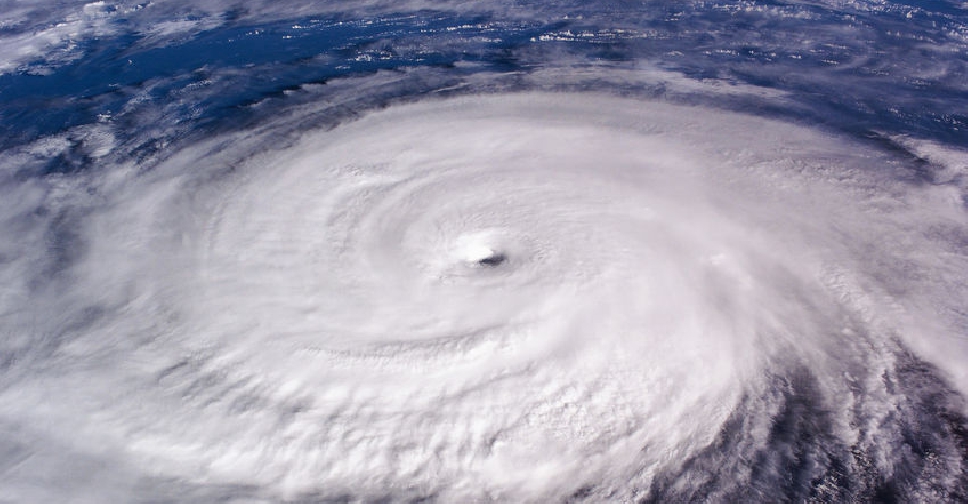 Cyclone lashes New Zealand's North Island, hundreds evacuated