Russia said on Sunday its forces had advanced to the edge of the east-central Ukrainian region of Dnipropetrovsk amid a public row between Moscow and Kyiv over peace negotiations and the return of thousands of bodies of soldiers who fell in the war.
Amid talk of peace, the war is stepping up with Russian forces grabbing more territory in Ukraine and Kyiv unfurling high-profile drone and sabotage attacks on Russia's nuclear-capable bomber fleet and, according to Moscow, on railways.
Russia, which controls a little under one-fifth of Ukrainian territory, has taken more than 190 square km (73 square miles) of the Sumy region of eastern Ukraine in less than a month, according to pro-Ukrainian open source maps.
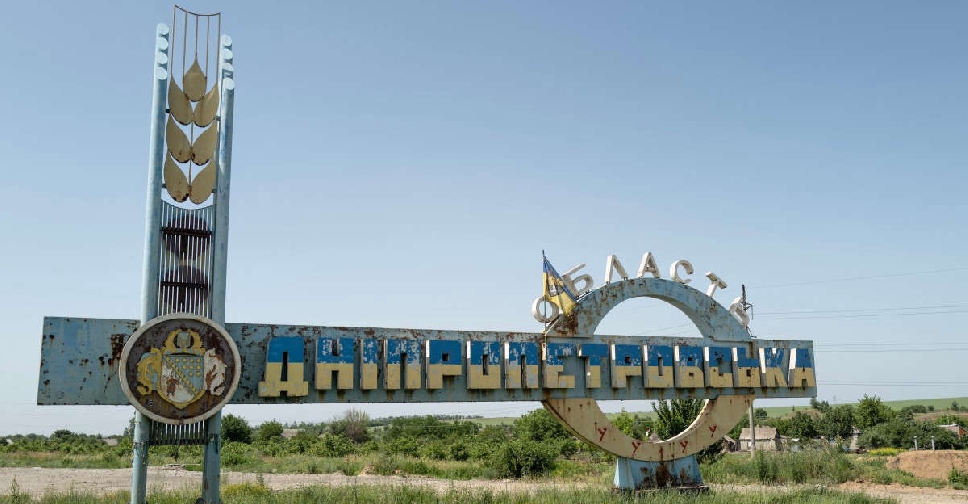
Now, according to the Russian defence ministry, units of the 90th Tank Division of the Central Grouping of Russian forces have reached the western frontier of Ukraine's Donetsk region and are attacking the adjacent Dnipropetrovsk region.
"The enemy does not abandon its intentions to enter the Dnipropetrovsk region," Ukraine's Southern Defence Forces said on Telegram. "Our soldiers are courageously and professionally holding their section of the front, disrupting the occupier's plans. This work does not stop for a minute."
Dmitry Medvedev, the deputy chairman of Russia's Security Council, said the Dnipropetrovsk offensive showed that if Ukraine did not want to accept the reality of Russia's territorial gains in peace talks then Moscow's forces would advance further.
The pro-Ukrainian Deep State map showed Russian forces very close to the Dnipropetrovsk region, which had a population of more than 3 million before the war, and advancing on the city of Kostyantynivka in the Donetsk region from several directions.
A Ukrainian military spokesman, Dmytro Zaporozhets, said that Russian forces were trying to "build a bridgehead for an attack" on Kostyantynivka, an important logistical hub for the Ukrainian army.
Russia on Saturday accused Ukraine of delaying the swap of prisoners of war and return of the bodies of 12,000 dead soldiers, though Ukraine denied those claims.
Russia said on Sunday it was moving bodies towards the border and television showed refrigerated trucks containing the bodies of Ukrainian soldiers on the road in the Bryansk region.
Ukraine accused Russia of playing propaganda games and said that the exchange of prisoners of war and the bodies of fallen soldiers was scheduled for next week. Russia said Ukraine was playing politics with the dead.
US President Donald Trump, who says he wants an end to the deadliest conflict in Europe since World War Two, on Thursday likened it to a fight between young children and indicated that he might have to simply let the conflict play out.
Russian President Vladimir Putin said on Wednesday that he did not think Ukraine's leaders wanted peace, after accusing them of ordering a bombing in Bryansk, western Russia, that killed seven people and injured 115 a day before talks in Turkey.
Ukraine, which has not commented on the attack on a Bryansk bridge, has similarly accused Moscow of not seriously seeking peace, citing as evidence Russian resistance to an immediate ceasefire.
Russia is demanding international recognition of Crimea, a peninsula annexed from Ukraine by Russia in 2014, and four other regions of Ukraine that Moscow has claimed as its own territory. Ukraine would have to withdraw its forces from all of them.
Russia controlled 113,273 square km, or 18.8 per cent of Ukrainian territory as of June 7, according to the Deep State map. That is an area bigger than the US state of Virginia.
The areas under Russian control include Crimea, more than 99 per cent of the Luhansk region, over 70 per cent of the Donetsk, Zaporizhzhia and Kherson regions, all in the east or southeast, and fragments of the Kharkiv and Sumy regions in the northeast.
Putin told Trump on Wednesday that he would have to respond to Ukrainian drone attacks on Russia's bomber fleet and the bombings of the railways.
Russia also hit the northeastern Ukrainian city of Kharkiv on Friday evening and overnight with drones, missiles and guided bombs, killing at least four people and injuring more than 60, including a baby, local officials said on Saturday.
Russia also said it had downed 61 Ukrainian drones overnight on Sunday in the Moscow region. Two major airports serving the Russian capital were closed temporarily.

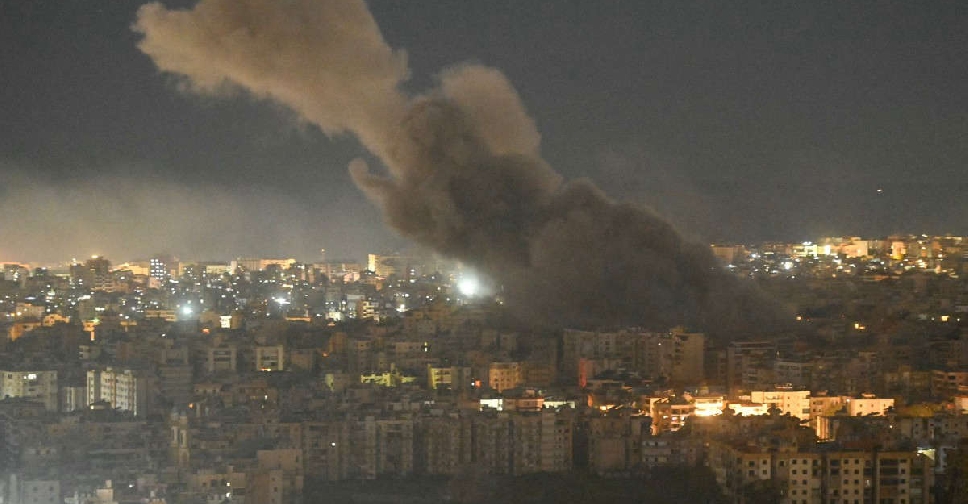 Israel, Lebanon to begin 10-day ceasefire
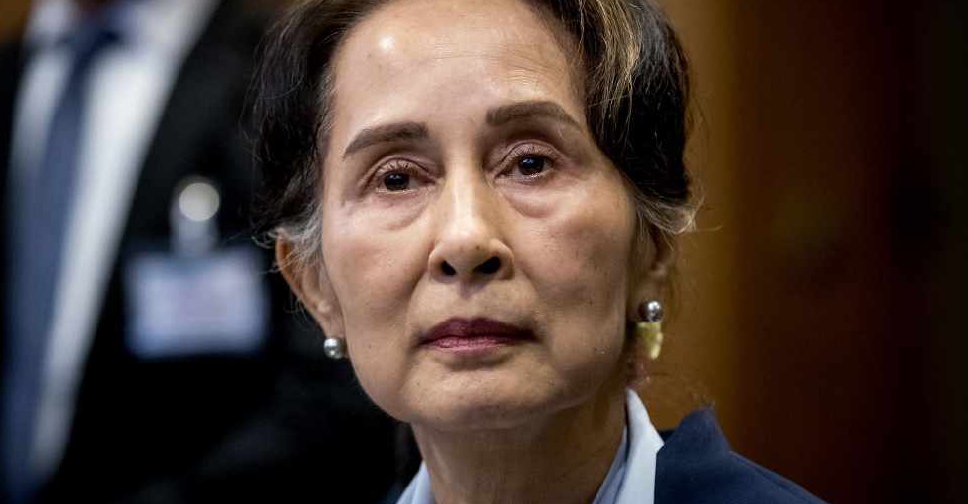 Myanmar cuts ex-leader Aung San Suu Kyi's sentence, frees former president
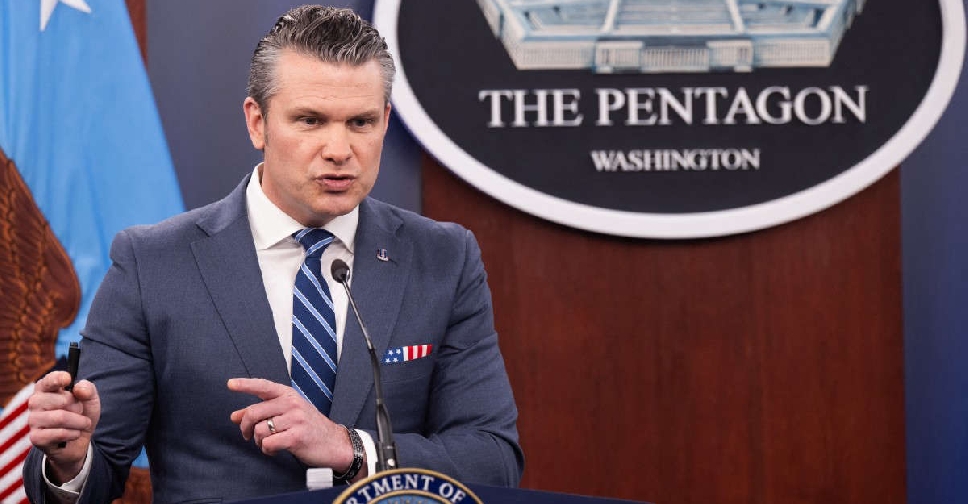 US military: ready to strike Iran's power plants, energy industry if ordered
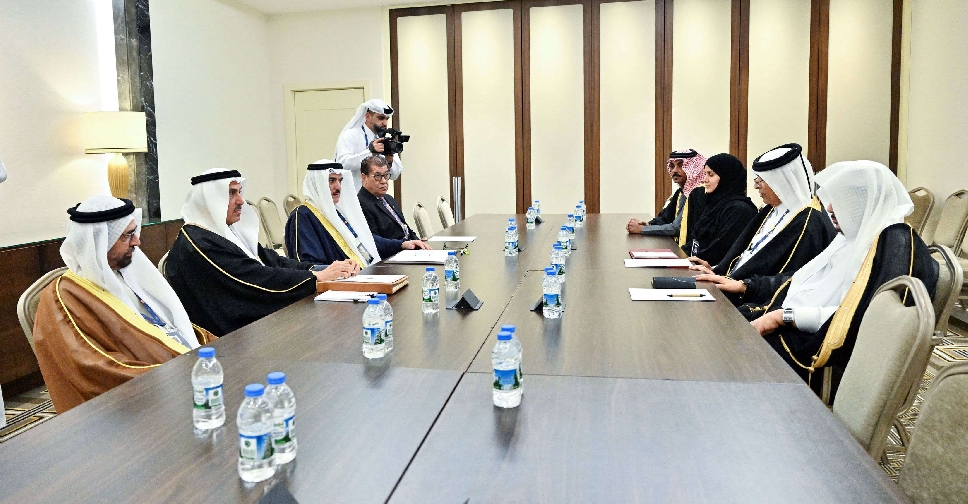 GCC parliamentary speakers stress unified stance against Iranian attacks
 Countries to discuss Hormuz mission for when conflict ends