US Secretary of State Marco Rubio gave a message of unity to Europeans on Saturday, saying Washington does not intend to abandon the transatlantic alliance, but that Europe's leaders had made a number of policy mistakes and need to change course.
Rubio's overall message of togetherness at the annual Munich Security Conference was relatively well-received by the gathering of European diplomats and security officials.
Even as Rubio at times needled European policymakers, his address contrasted sharply with Vice President JD Vance's address a year ago, in which he argued that the greatest danger to the continent came from censorship and democratic backsliding - rather than external threats like Russia.
"In a time of headlines heralding the end of the transatlantic era, let it be known and clear to all that this is neither our goal nor our wish, because for us Americans, our home may be in the western hemisphere, but we will always be a child of Europe," Rubio told the crowd.
The address was notably short on specifics. Rubio did not mention Russia - the continent's main geopolitical foil - during the roughly half-hour address, nor did he even bring up NATO by name, the continent's main security bloc.
US Secretary of State Marco Rubio said on Thursday that the United States remains prepared to play a "constructive role" in helping bring an end to the war in Ukraine, following talks with Russian Foreign Minister Sergei Lavrov on the sidelines of an ASEAN gathering in Manila.
Indian Prime Minister Narendra Modi said on Thursday that "fast-track" courts would be set up to prosecute those behind exam paper leaks, his first public response after days of youth protests demanding the resignation of the education minister.
The US House of Representatives narrowly passed its version of a massive defence policy bill, despite Democrats' concerns about its huge price tag, the Iran war and a provision that would boost Pentagon ties to Israel.
At least seven more bodies were recovered from the tunnel of an under-construction hydroelectric project in India's northeastern state of Sikkim, the state government said on Thursday, bringing the death toll from a blast to 22.
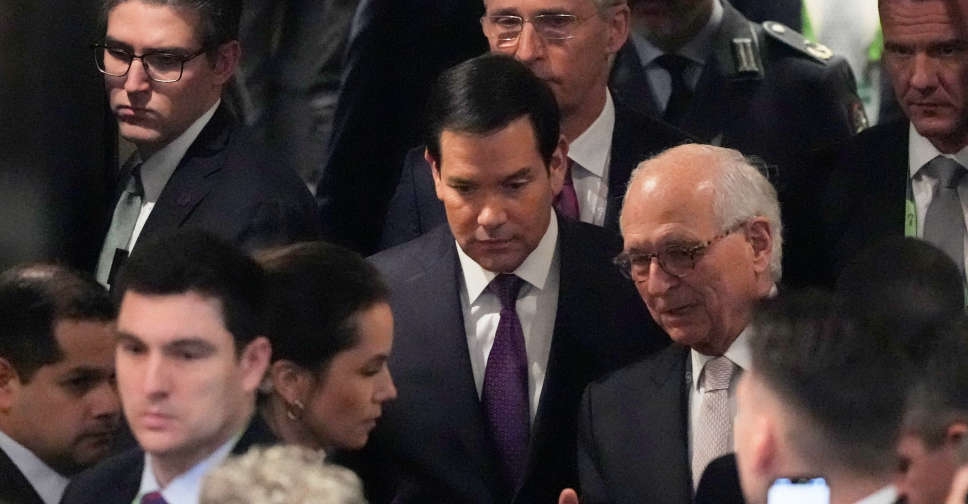

 Saudi-owned vessel targeted in Red Sea, crew safe, state news agency says
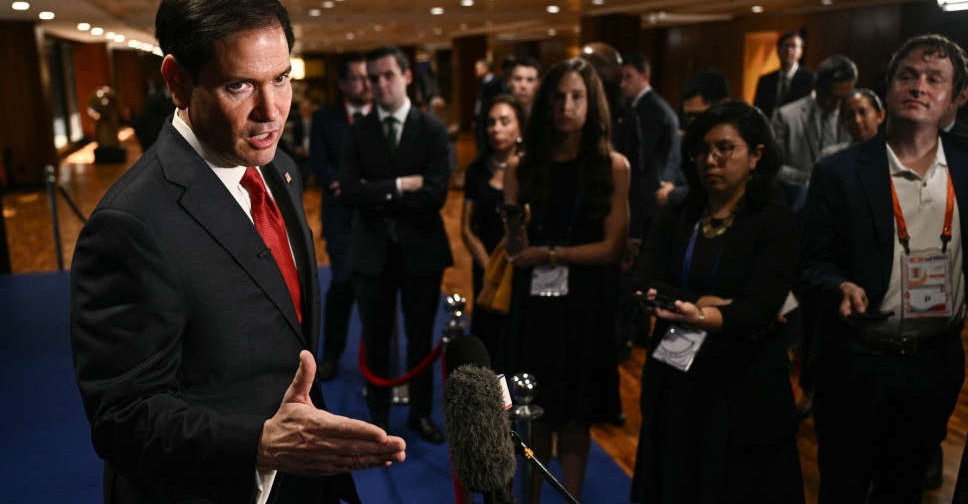 Rubio says US committed to helping end Ukraine war after meeting Lavrov
 India's Modi promises fast-track courts on exam leaks, protesters want minister to quit
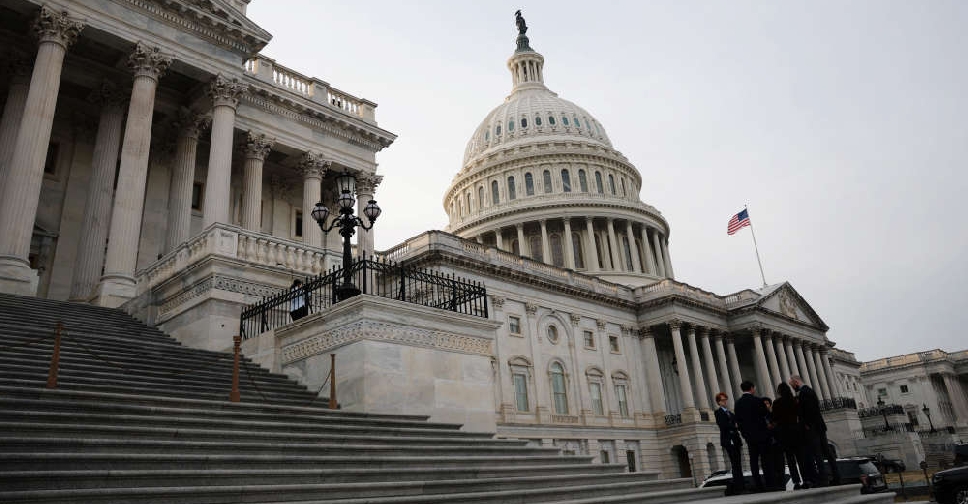 US House passes $1 trillion defence bill despite Iran, Israel concerns
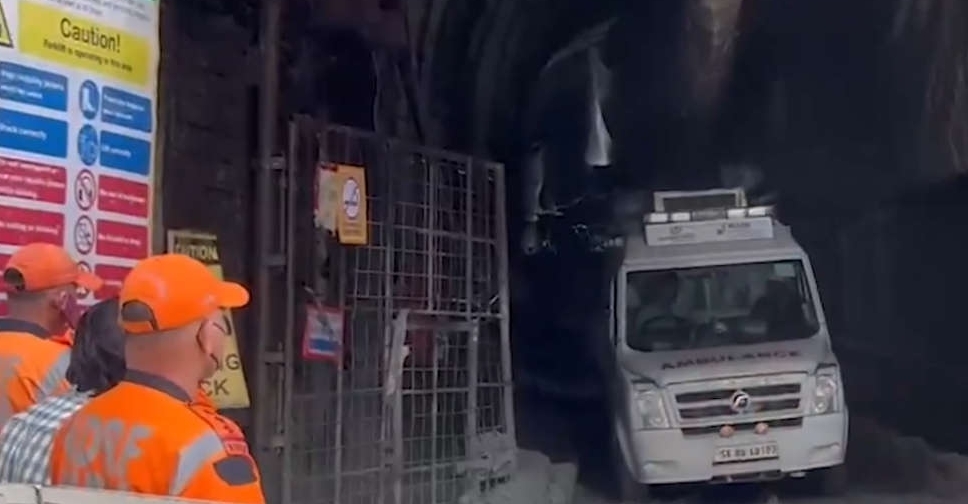 Death toll in Indian tunnel blast rises to 22