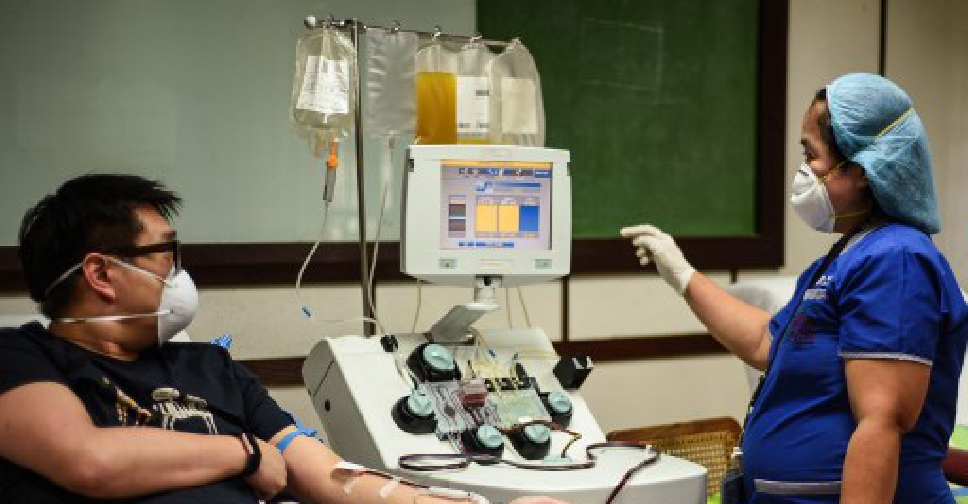
Philippine President Rodrigo Duterte has approved ending a ban on deploying the nation's healthcare workers, his labour minister said on Saturday, clearing the way for thousands of nurses to take up jobs overseas.
"The president already approved the lifting of the temporary suspension of deployment of nurses and other medical workers," Labour Secretary Silvestre Bello told Reuters.
Bello said the spread of the novel coronavirus was slowing down in the country and conditions were improving, so the government could afford to let its healthcare workers leave.
The Philippines has the second-highest number of COVID-19 cases and deaths in Southeast Asia, but daily case numbers and death rates have dropped.
To ensure the Philippines has enough medical professionals to continue to fight the pandemic at home, only 5,000 healthcare workers will be allowed to leave every year, Bello said.
"We are starting only with a cap of 5,000 so we will not run out (of medical workers), but this may increase eventually," Bello said.
Last year, almost 17,000 nurses signed overseas work contracts data from the Commission on Higher Education and the Philippine Overseas Employment Administration shows.
The government in April barred nurses, doctors and other medical workers from leaving, saying they were needed to fight the coronavirus crisis at home.
Thousands of health workers, who call themselves "priso-nurses", had appealed to the government to let them take jobs abroad, Reuters reported in September. The nurses say they feel underpaid, under-appreciated and unprotected in the Philippines.
While the lifting of the travel ban was a "welcome development," Maristela Abenojar, President of Filipino Nurses United, challenged the government to make true its commitment to give its nurses better pay and benefits if it wants them to stay.
Filipino health workers are on the front lines of the pandemic at hospitals in the United States, Europe and the Middle East as well as at home.
New coronavirus cases in the Philippines have remained below 2,000 since Nov. 10, while deaths, which totalled 8,025 as of Nov. 20 only equal 1.93% of the country's 415,067 cases.
Hospital bed occupancy has also eased from critical levels, and the government has been gradually easing quarantine restrictions to jumpstart the coronavirus-hit economy.


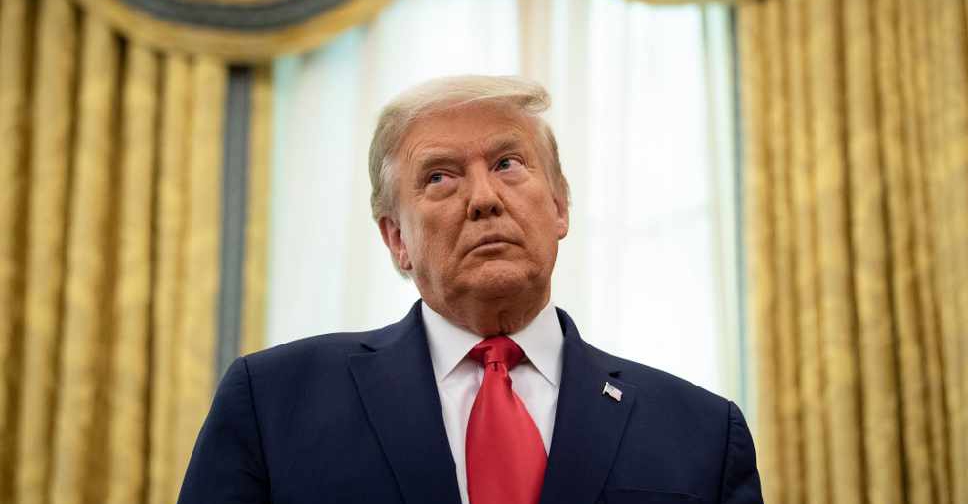 Trump says Iranian 'fast-attack' ships that come close to US blockade will be eliminated
 Iran threatens to retaliate for US blockade
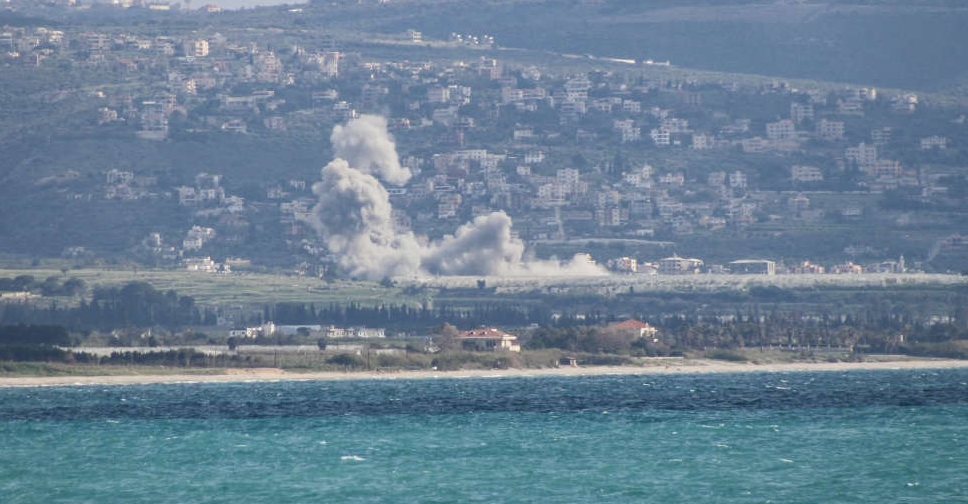 Israel presses assault on Lebanon border town ahead of US-hosted talks
 Hungarian election winner Magyar vows to fight graft, change constitution
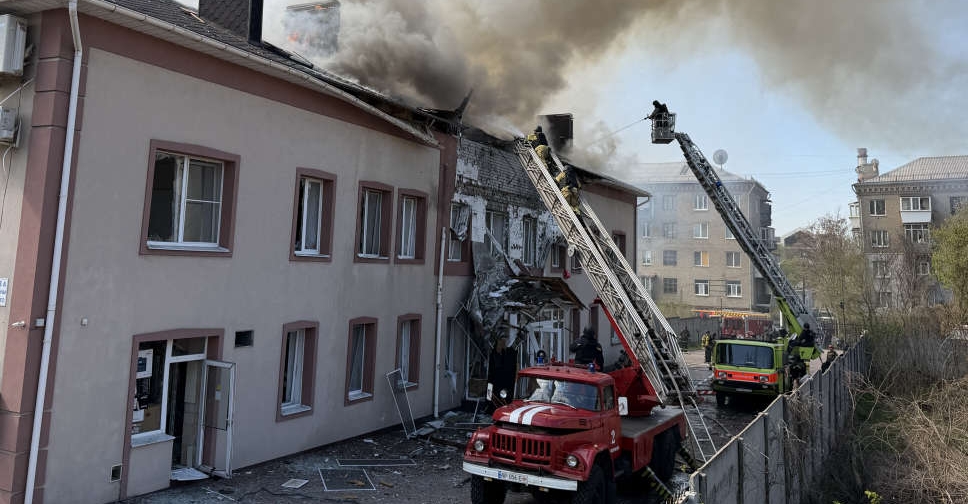 One killed in Ukraine despite Easter ceasefire, officials say