Philippine President Rodrigo Duterte, who has previously criticised Western manufacturers for asking fees to reserve vaccines, has agreed to pay drugmakers in advance to secure millions of COVID-19 shots.
Duterte had also "approved in principle" an executive order so that vaccines, which had been approved overseas for emergency use, can be utilised in the Philippines, Presidential Spokesman Harry Roque said.
"We agreed to pay in advance because if we don't, we might be the last among countries to get the vaccine," he told a media briefing.
The Philippines, which has the second-highest number of coronavirus cases and deaths in Southeast Asia, plans to procure an initial 50 million doses of COVID-19 vaccine to ensure at least a quarter of its 108 million population gets inoculated next year.
Carlito Galvez, a former general leading the country's task-force to tackle the pandemic, said the government was in talks with several vaccine makers, including Pfizer Inc and Moderna Inc, over possible supply deals.
Pfizer said on Wednesday it could secure emergency US and European authorisation for their COVID-19 vaccine next month after final trial results showed it had a 95 per cent success rate and no serious side effects.
Moderna on Monday released preliminary data for its vaccine showing 94.5 per cent effectiveness.
Duterte has said previously his preference was for his country to source its COVID-19 vaccines from either China or Russia.
Philippine authorities have also been looking at bilateral and multilateral vaccine deals, including tapping the World Health Organisation’s global vaccine project, known as COVAX, to bolster the country’s prospective arsenal against the pandemic.
Duterte has said the budget was there to purchase vaccines but he wanted a bigger supply in order to inoculate the entire Philippine population.
Galvez has said vaccines could start arriving between May and July next year, with the bulk likely to come by the end of 2021 or early 2022.


 US military to begin Iran maritime blockade on Monday
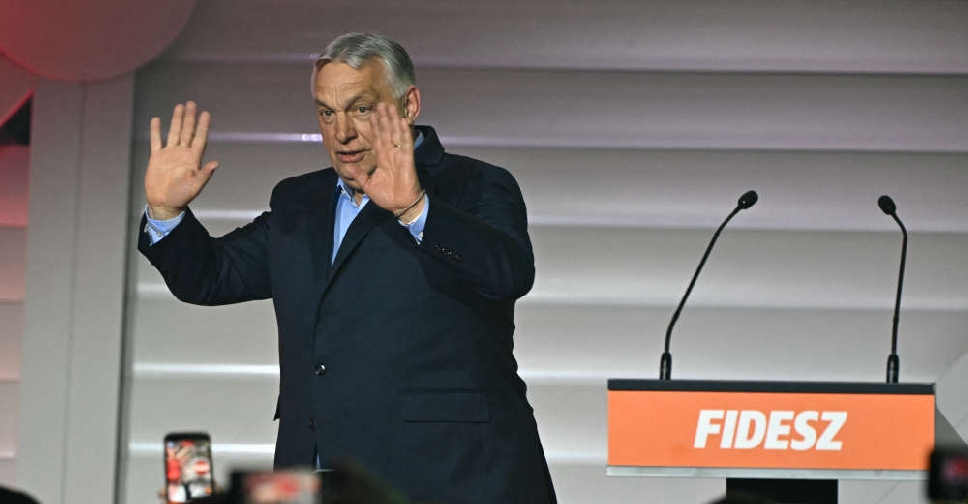 Orban ousted after 16 years as Hungarians flock to pro-EU rival
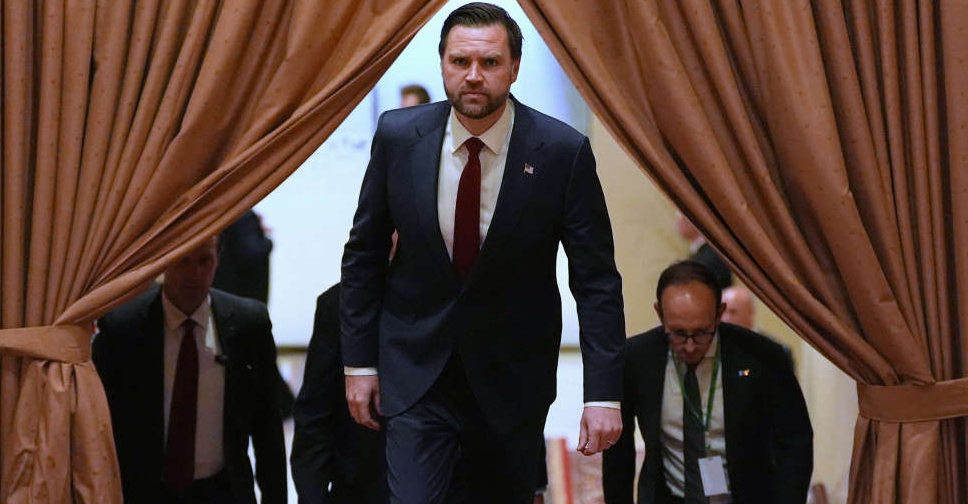 Trump vows to blockade Strait of Hormuz after Iran peace talks stumble
 Nigerian airstrike hits market, 200 feared dead
 Russia, Ukraine trade accusations of ceasefire violations