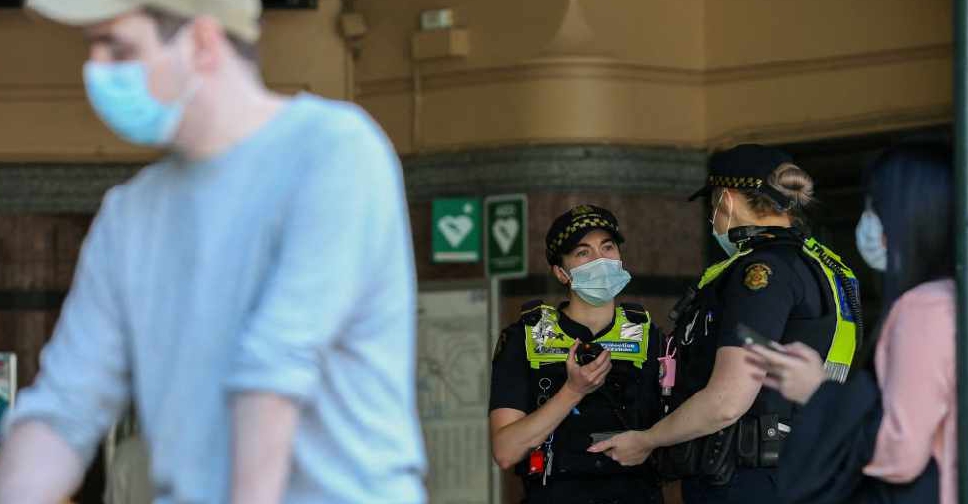
Auckland, New Zealand's biggest city, emerged on Sunday from a strict weeklong lockdown imposed after a community cluster of the more contagious British coronavirus variant.
There were no new local COVID-19 cases recorded on Sunday, health officials said, marking a full week of no community transmissions across the country.
Footage on TVNZ, New Zealand's state-owned television network, showed people lining up at coffee shops on Sunday morning with many saying they were feeling relieved.
Auckland, a city of nearly two million, will continue to have limits on public gathering and masks are obligatory on public transport. Restrictions might be further eased on Friday.
Neighbouring Australia also had no local COVID-19 cases on Sunday, making it the 37th day of no infections this year. There have been no related deaths in 2021.
Swift public health measures combined with aggressive contact tracing, border closures and compulsory quarantine for travellers have been credited with making New Zealand and Australia highly successful in keeping the pandemic from spreading.
Both countries saw their economies recovering speedily in the second part of 2020. Australia's economy expanded at a much faster-than-expected pace in the final quarter of last year and all signs were that 2021 has started on a firm footing too.
Coronavirus inoculation began in both countries, with the vaccination rollout in Australia becoming slightly complicated after Italy blocked a shipment of the AstraZeneca's vaccine.
Australia's Health Minister Greg Hunt, among the first receive the University of Oxford/AstraZeneca vaccine on Sunday after an earlier shipment, said the rollout is on track.
Inoculation with the Pfizer/BioNTech vaccine started in February, but most Australians will be vaccinated with the University of Oxford/AstraZeneca vaccine.
The weekly number of administered doses is expected to reach 1 million by the end of March when CSL Ltd begins to locally produce 50 million of the AstraZeneca doses.
The government is spending more than AUD6 billion ($4.6 billion) to support the vaccine rollout with contracts for over 150 million doses of various COVID-19 vaccines.


 US military to begin Iran maritime blockade on Monday
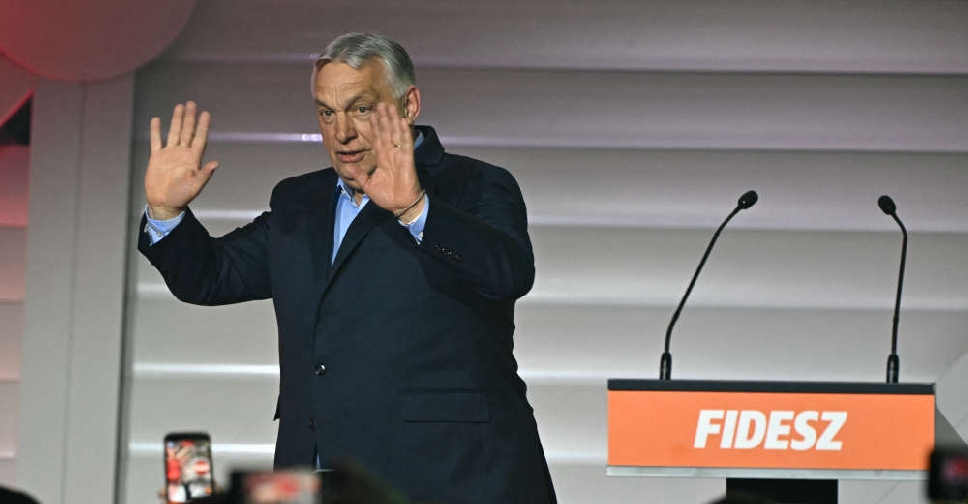 Hungary's Orban concedes landmark election defeat
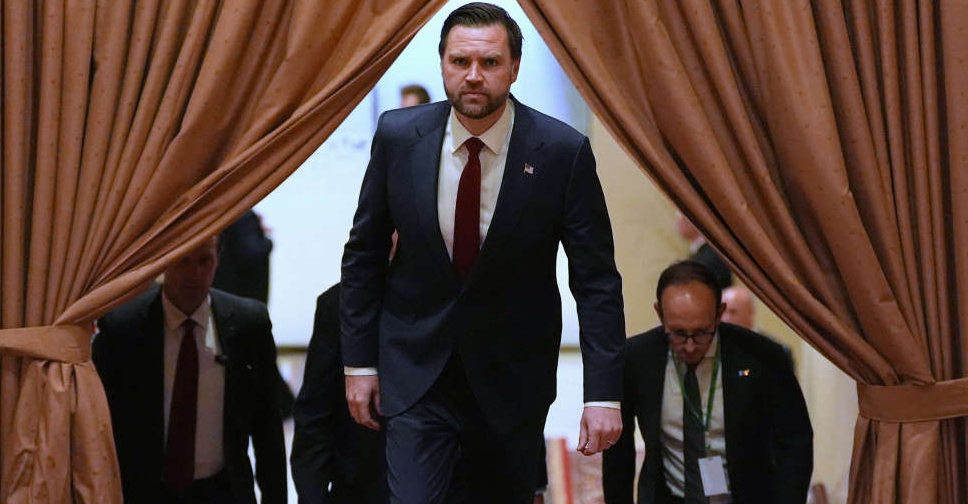 Trump vows to blockade Strait of Hormuz after Iran peace talks stumble
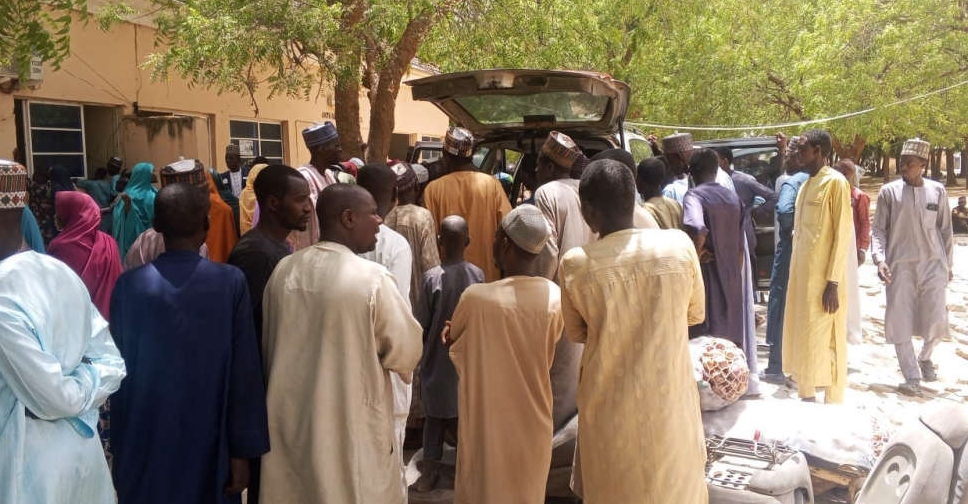 Nigerian airstrike hits market, 200 feared dead
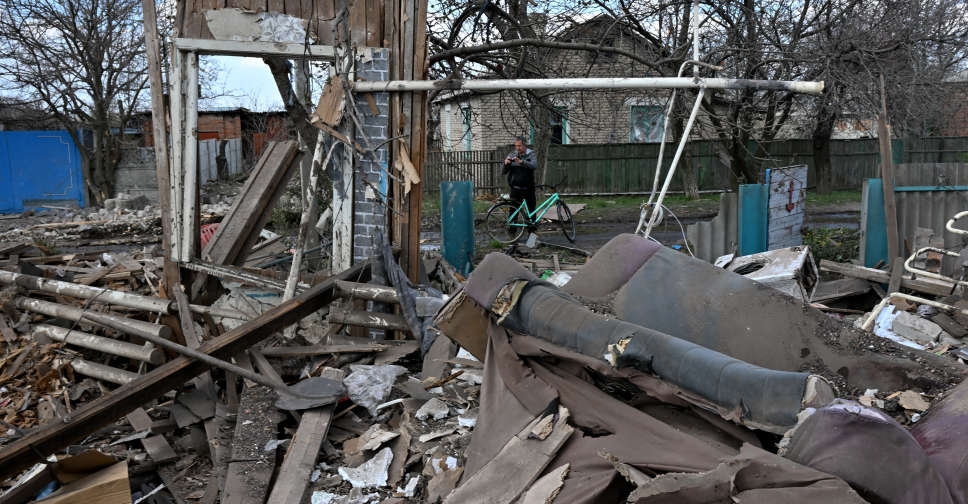 Russia, Ukraine trade accusations of ceasefire violations