
New Zealand will repeal on Tuesday a world-first law banning tobacco sales for future generations, the government said, even while researchers and campaigners warned of the risk that people could die as a result.
Set to take effect from July, the toughest anti-tobacco rules in the world would have banned sales to those born after Jan. 1, 2009, cut nicotine content in smoked tobacco products and reduced the number of tobacco retailers by more than 90%.
The new coalition government elected in October confirmed the repeal will happen on Tuesday as a matter of urgency, enabling it to scrap the law without seeking public comment, in line with previously announced plans.
Associate Health Minister Casey Costello said the coalition government was committed to reducing smoking, but was taking a different regulatory approach to discourage the habit and reduce the harm it caused.
"I will soon be taking a package of measures to cabinet to increase the tools available to help people quit smoking," Costello said, adding that regulations on vaping would also be tightened to deter young people.
The decision, heavily criticised over its likely impact on health outcomes in New Zealand, has also drawn flak because of fears it could have a greater impact on Maori and Pasifika populations, groups with higher smoking rates.
Repeal flies in the face of robust research evidence, ignores measures strongly supported by Maori leaders and will preserve health inequities, said Otago University researcher Janet Hoek.
"Large-scale clinical trials and modelling studies show the legislation would have rapidly increased the rates of quitting among smokers and made it much harder for young people to take up smoking," said Hoek, co-director of a group studying ways to reduce smoking.

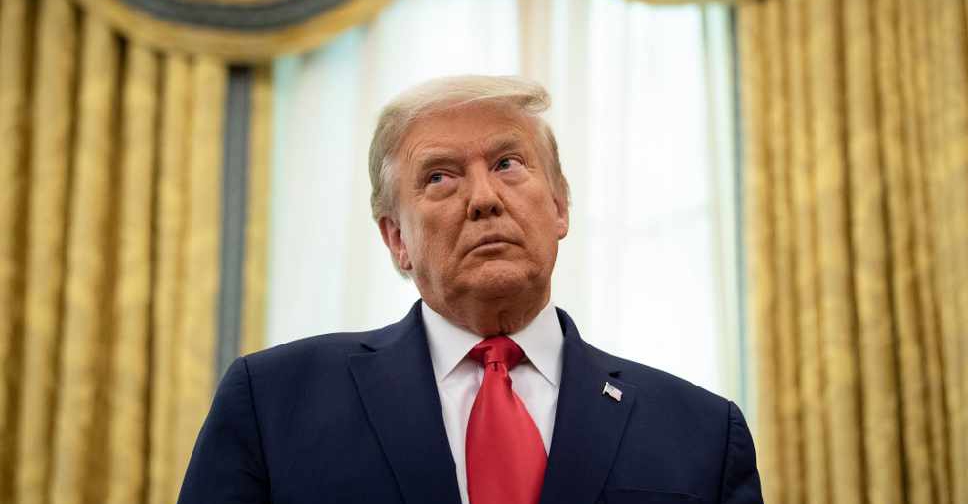 Trump says Iranian 'fast-attack' ships that come close to US blockade will be eliminated
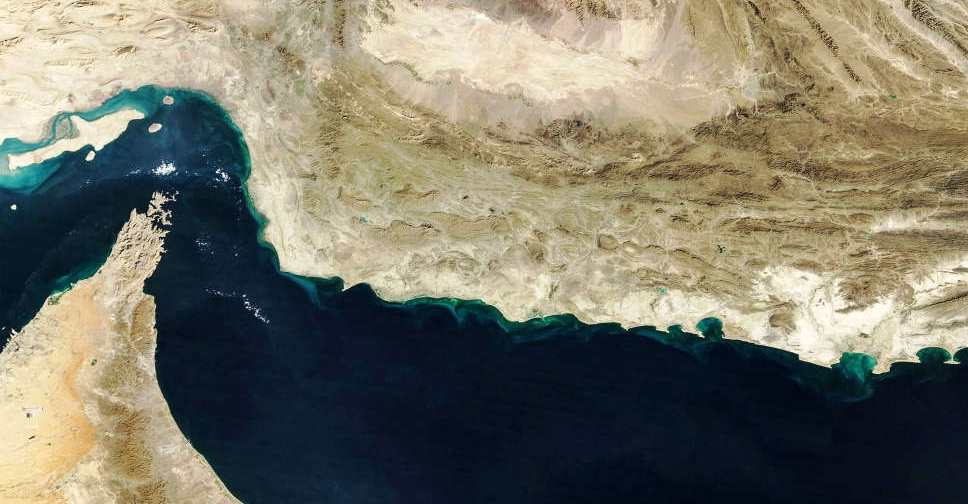 Deadline passes for US blockade of Iran's ports, Tehran threatens to retaliate
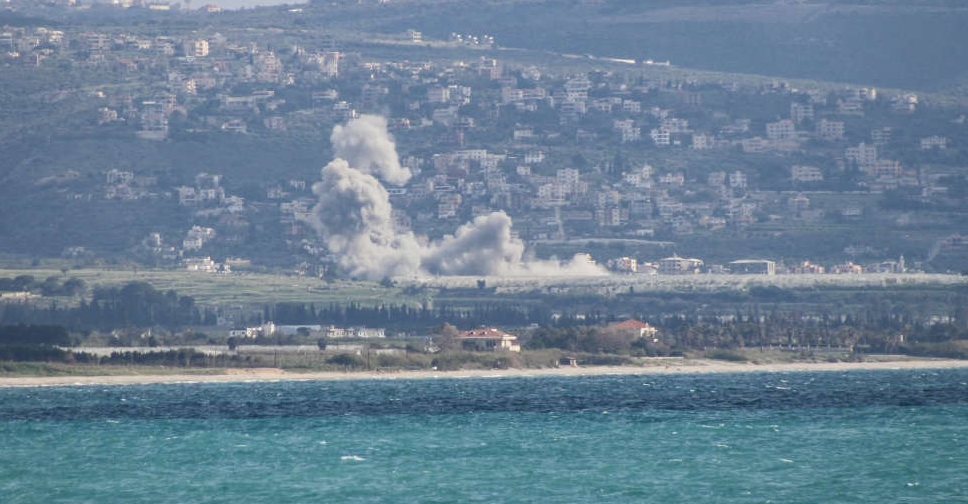 Israel presses assault on Lebanon border town ahead of US-hosted talks
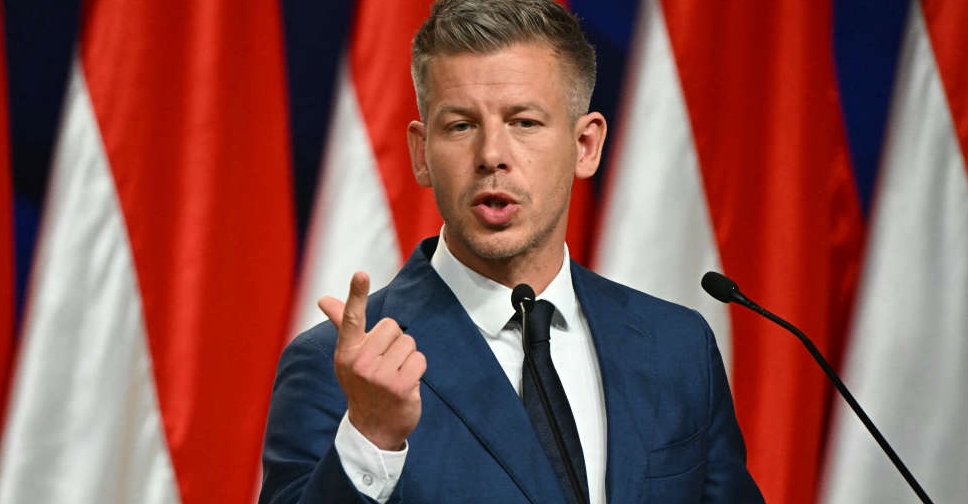 Hungarian election winner Magyar vows to fight graft, change constitution
 One killed in Ukraine despite Easter ceasefire, officials say