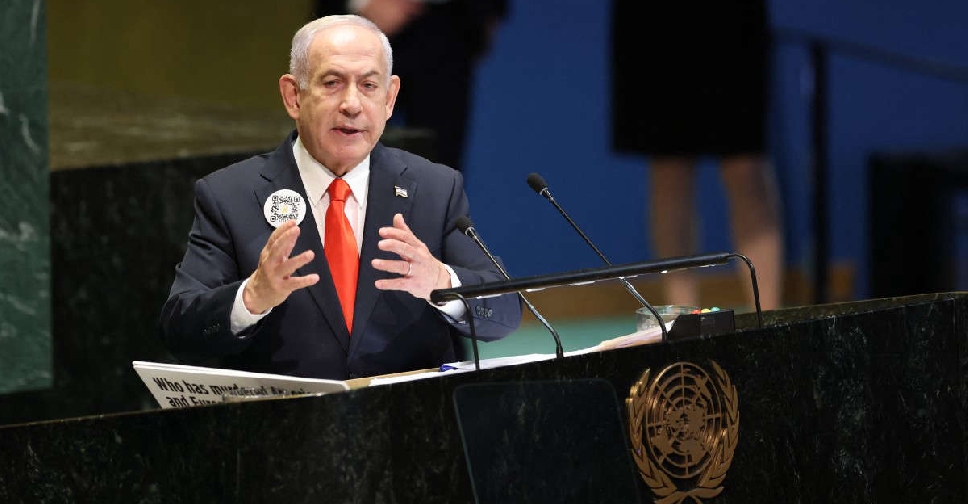
Israeli Prime Minister Benjamin Netanyahu asked the country's president on Sunday for a pardon in his years-long corruption trial, arguing that criminal proceedings were hindering his ability to govern and a pardon would be good for Israel.
Netanyahu, the country's longest-serving prime minister, has long denied the bribery, fraud, and breach of trust charges. His lawyers said in a letter to the president's office that the prime minister still believes the legal proceedings would result in a complete acquittal.
"My lawyers sent a request for pardon to the president of the country today. I expect that anyone who wishes for the good of the country support this step," Netanyahu said in a brief video statement released by his political party, the Likud.
President Isaac Herzog's office announced earlier on Sunday that the request had been received, releasing the lawyers' letter.
US President Donald Trump wrote to Herzog earlier this month, urging him to consider granting the prime minister pardon, arguing that the case against him was "a political, unjustified prosecution".
Herzog's office said the request would be forwarded to the pardons department in the justice ministry, as is standard practice, to collect opinions, which would be submitted to the president's legal adviser, who will formulate a recommendation for the president.
Israel's Justice Minister, Yariv Levin, is a member of Netanyahu's Likud party and a close ally of the prime minister.
In the letter, Netanyahu's lawyers argued that criminal proceedings against him had deepened societal divisions and that ending the trial was necessary for national reconciliation. They also wrote that increasingly frequent court hearings were burdensome while the prime minister was attempting to govern.
"I am required to testify three times a week...That is an impossible demand that is not made of any other citizen," Netanyahu said in the video statement, emphasising that he had received the public's trust by repeatedly winning elections.
Neither the prime minister nor his lawyers made any admission of guilt. A pardon in Israel has traditionally been granted only after legal proceedings have concluded and the accused has been convicted. Netanyahu's lawyers argued that the president can intervene when public interest is at stake, as in this case, with a view to healing divisions and strengthening national unity.
Opposition leader Yair Lapid said Netanyahu should not be pardoned without an admission of guilt, an expression of remorse, and immediate retirement from political life.
Netanyahu was indicted in 2019 in three separate but related cases that centre around accusations that he granted favours to prominent business figures in exchange for gifts and sympathetic media coverage.
The prime minister has repeatedly denied any wrongdoing.
Coalition allies issued statements supporting Netanyahu's request for a pardon, including National Security Minister Itamar Ben-Gvir and Finance Minister Bezalel Smotrich.
Opposition politician Yair Golan, a former deputy chief of the military, called on the prime minister to resign, urging the president not to grant a pardon.
Netanyahu is one of the country's most polarising political figures, who was first elected prime minister in 1996. He has since served in government and opposition and returned to the prime minister's office following the 2022 election.
The next election is due by October 2026, and many polls indicate that his coalition, the most right-wing in Israel's history, would struggle to win enough seats to form a government.
Throughout his career, Netanyahu has cultivated a reputation for prioritising security and economic issues, but he has also been dogged by the corruption charges. He was prime minister on October 7, 2023, when Hamas launched its attack on Israel, widely regarded as the most traumatic event in the country's historyt.
Since then, he has overseen the devastating war in Gaza, which has killed tens of thousands of Palestinians and levelled much of the territory, drawing broad international criticism and condemnation. Israel has severely weakened Hamas and also Lebanese group Hezbollah and this year launched a war against Iran that destroyed critical military infrastructure.

 Trump vows to blockade Strait of Hormuz after Iran peace talks stumble
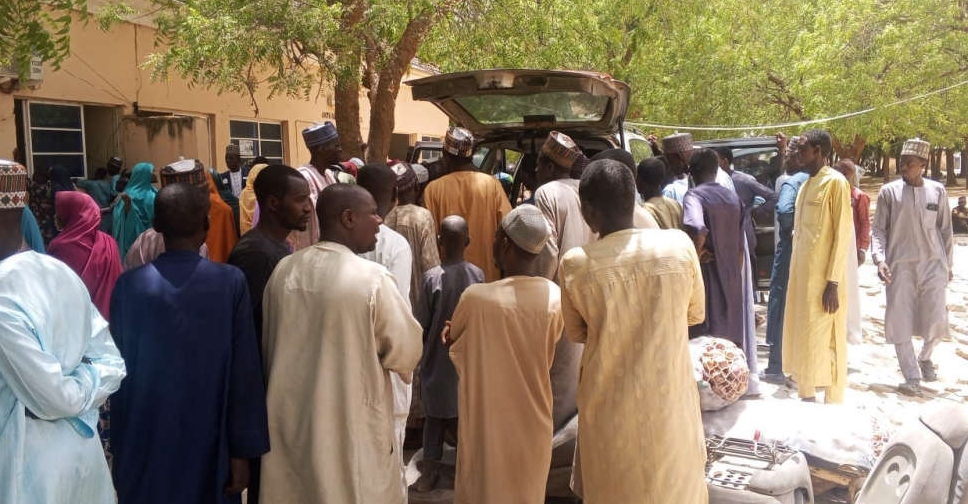 Nigerian airstrike hits market, 200 feared dead
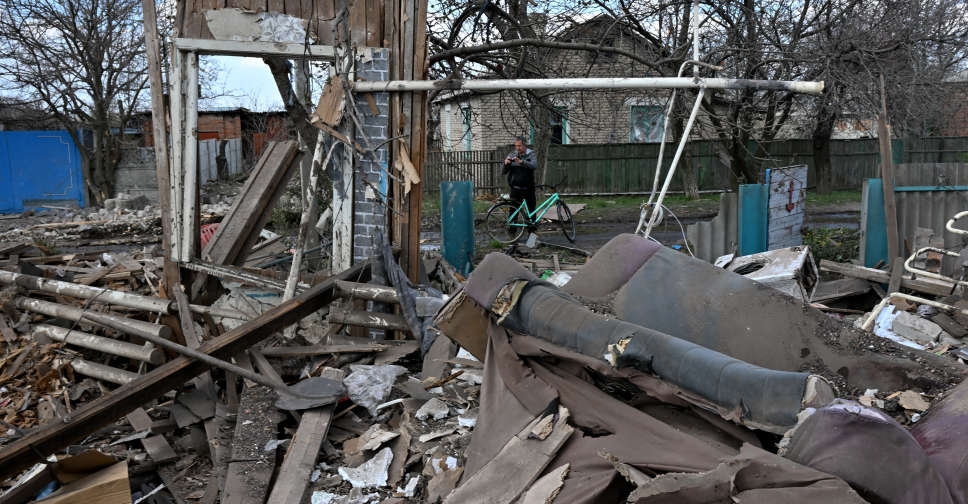 Russia, Ukraine trade accusations of ceasefire violations
 At least 30 dead in stampede at Haiti’s historic Laferriere Citadel
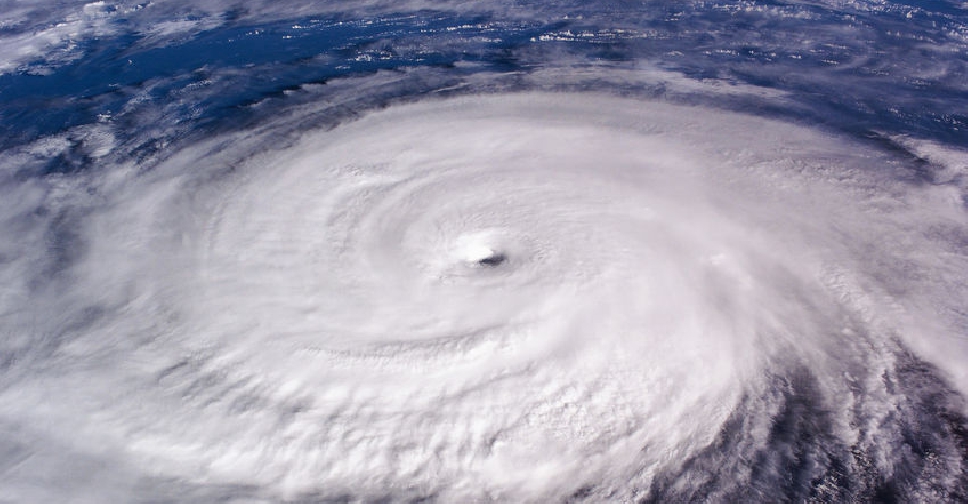 Cyclone lashes New Zealand's North Island, hundreds evacuated