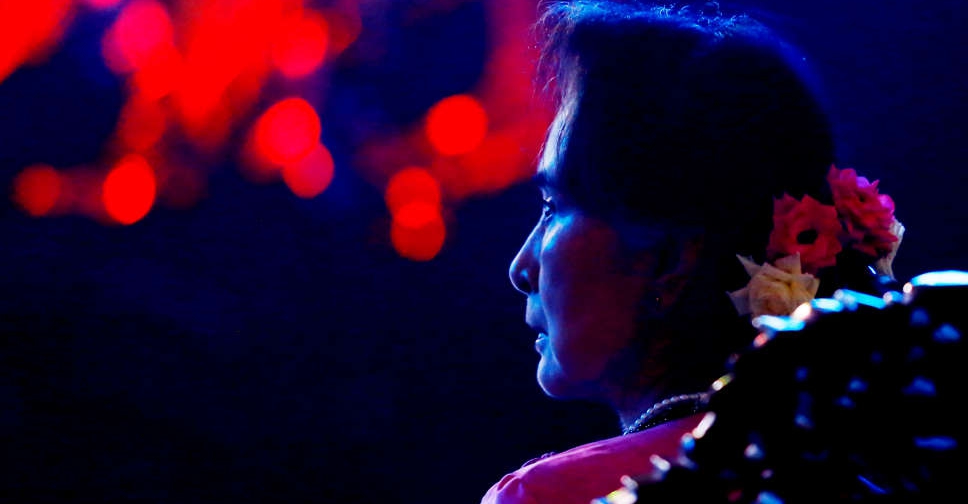
A court in military-ruled Myanmar sentenced on Monday ousted leader Aung San Suu Kyi to four years in jail on several charges including possession of unlicensed walkie-talkies, a source familiar with the proceedings said.
The court handed down a two-year sentence to Suu Kyi for breaching the export-import law by possessing the handheld radios and one year for having a set of signal jammers. The two sentences will run concurrently, said the source.
She was also sentenced to two years on another charge of breaching the natural disaster management law related to coronavirus rules, the source said.
Nobel laureate Suu Kyi, 76, is on trial in nearly a dozen cases that carry combined maximum sentences of more than 100 years in prison. She denies all charges.
Myanmar has been in turmoil since a February 1 coup against Suu Kyi's democratically elected government led to widespread protests and raised international concern about the end of tentative political reforms since the end of decades of military rule.
Suu Kyi was detained the same day as the coup and days after, a police document said six illegally imported walkie-talkies were found during a search of her home.
On December 6, she received a four-year jail sentence for incitement and breaching coronavirus rules.
That sentence, which was later reduced to two years, was met by a chorus of international condemnation over what critics described as a sham trial.
Suu Kyi's supporters say the cases against her are baseless and designed to end her political career while the military consolidates power.
The junta says Suu Kyi is being given due process by an independent court led by a judge appointed by her own administration. A spokesman for the military council could not be reached immediately for comment.
Her trial in the capital, Naypyitaw, has been closed to the media and Suu Kyi's lawyers have been barred from communicating with the media and public.
The military has not disclosed where Suu Kyi, who spent years under house arrest under a previous military government, is being detained.
In some recent court hearings, Suu Kyi has been wearing a white top and a brown wraparound longyi typically worn by Myanmar prisoners, sources have said.
Military ruler Min Aung Hlaing last month said Suu Kyi and ousted President Win Myint would remain in the same location during their trials and would not be sent to prison.


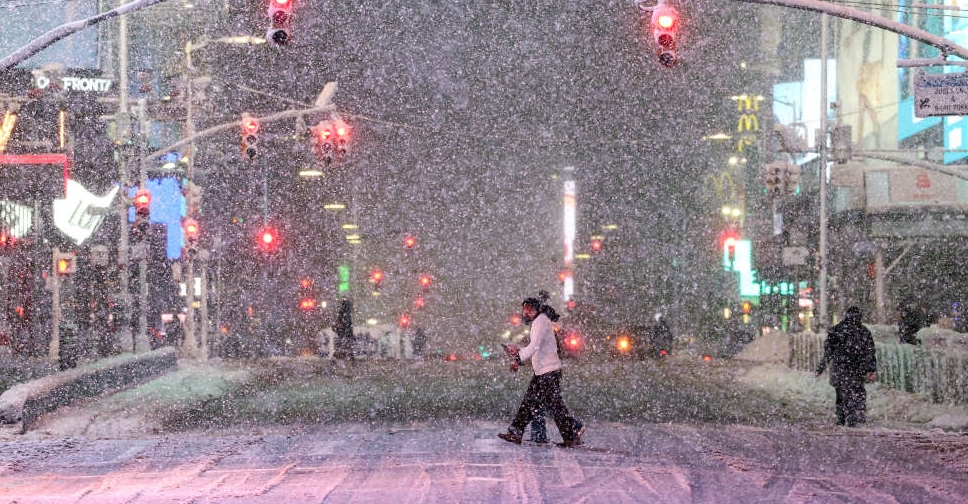 Powerful winter storm shuts schools, disrupts travel across US Northeast
 Mexican military kills cartel boss 'El Mencho' in US-backed raid
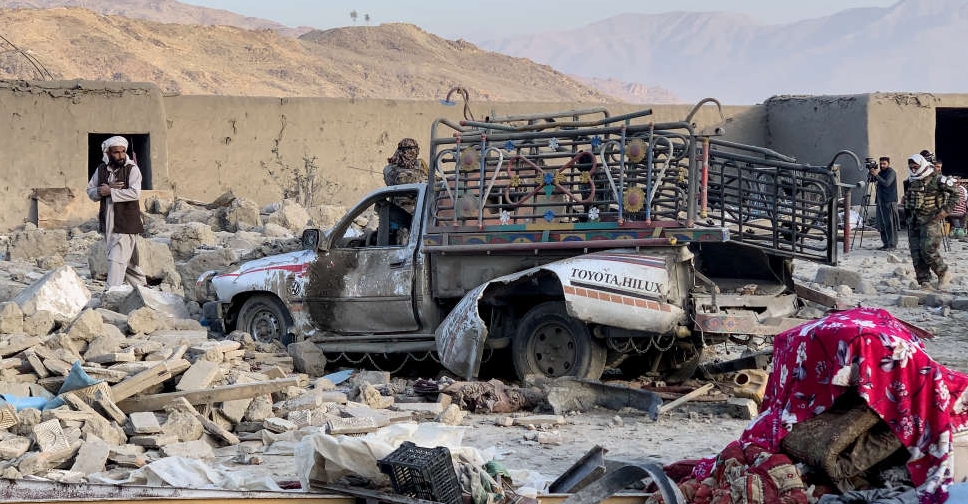 Afghanistan says Pakistan strikes kill and injure dozens
 Police officer killed, dozens injured in bomb explosions in Ukraine's Lviv
 Trump pivots to new 15% global tariff after Supreme Court setback