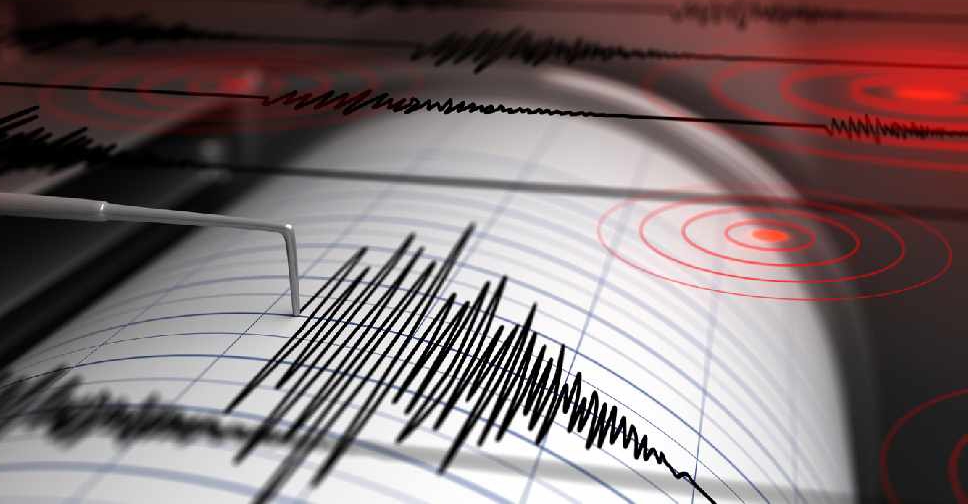
People across the South Pacific were told to avoid coastal areas due to the risk of tsunami waves following a 7.7 magnitude earthquake on Friday southeast of the Loyalty Islands in the French territory of New Caledonia.
Tsunami waves ranging from 0.3m to 1 metre above the tide level are possible for some coasts of Vanuatu, the Pacific Tsunami Warning Center (PTWC) said, waves below that level are set for 25 island groups including Tonga and Tuvalu.
A 22-centimetre tsunami had been observed near New Caledonia, the threat alert added.
Vanuatu warned citizens to seek higher ground, according to an official at the Vanuatu Meteorology & Geo-Hazards Department, who said the office had received calls from people on the southern islands who had felt shaking.
Australia's meteorology bureau issued a tsunami threat for Lord Howe Island off its east coast and warned the roughly 450 inhabitants to leave the water's edge due to waves and strong currents.
"We haven't moved to higher ground and we're probably not going to," said Damien Ball of the Thompsons General Store on Lord Howe Islands. "We've been through this numerous times before and nothing ever comes of it."
Similar warnings are in place for much of New Zealand's west coast.
The United States Geological Survey (USGS) said the quake hit at a depth of about 38 km.
Saudi Arabia shut its East-West oil pipeline on Friday after it was hit in a drone attack, disrupting a key route used to bypass shipping problems in the Strait of Hormuz.
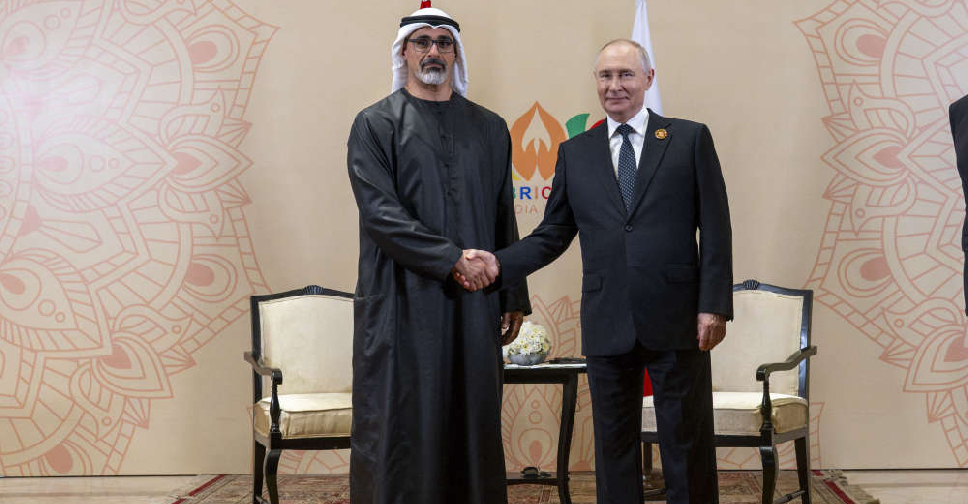
BRICS members agreed on a joint declaration on Saturday, expected to condemn unilateral aggression by any country without naming individual states, according to sources cited by Reuters.
Philippine rescuers recovered 41 more charred remains from a ferry fire, authorities said on Saturday, raising the death toll to 76 and leaving 13 people unaccounted for, as forensic teams faced the daunting task of identifying the victims.
Russian air strikes in several Ukrainian regions on Saturday killed six people, injured dozens and damaged residential buildings and infrastructure across the country, officials said.
Bulgaria is investigating the cause of a fire at a weapons storage facility operated by EMCO, including the possibility of sabotage and a link to a previous blaze at another of the company's facilities in August, the interior minister said.


 Saudi Arabia shuts key oil pipeline after drone attack
 BRICS members agree joint declaration at New Delhi summit
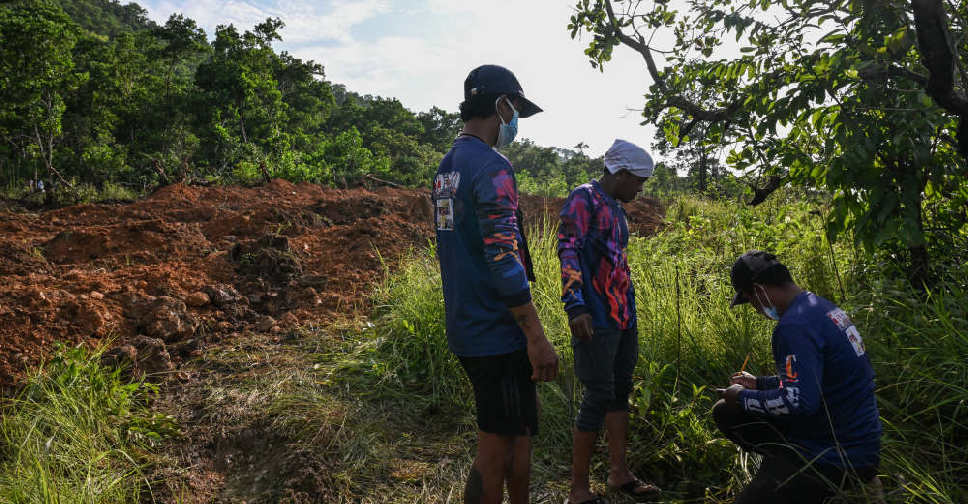 Death toll in Philippine ferry fire rises to 76 as rescuers recover more remains
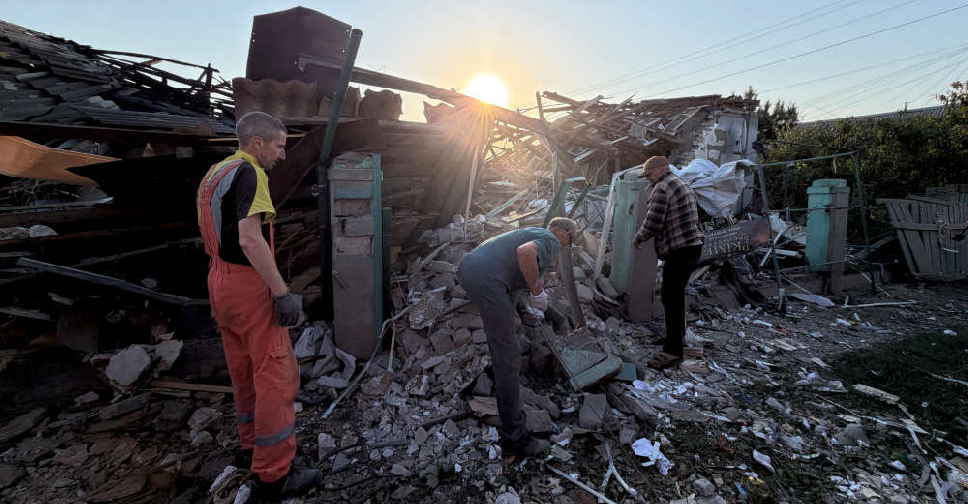 Russian attacks kill six, injure dozens in Ukraine, Moscow says it hits ships, plants
 Explosion hits another weapons site in Bulgaria