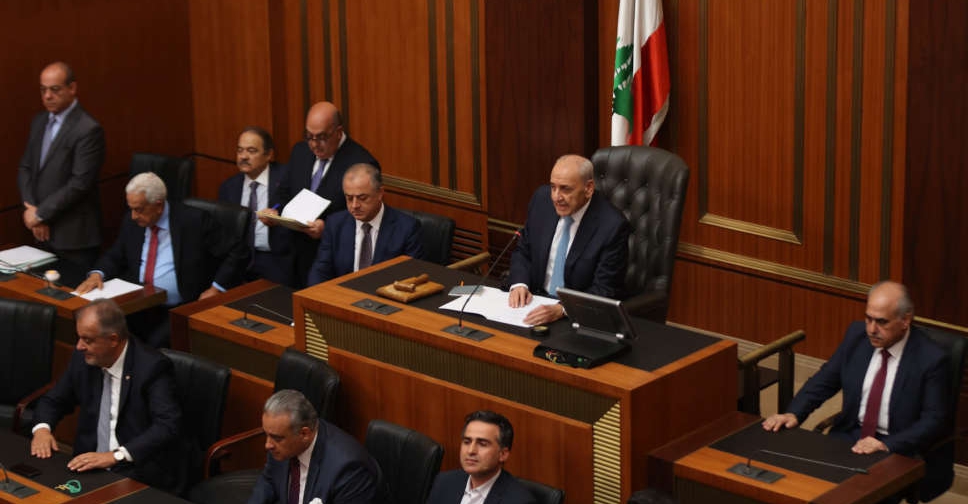
Lebanon slid deeper into crisis on Wednesday when Hezbollah and its allies thwarted a bid by their rivals to elect a top IMF official as president, sharpening sectarian tensions and underlining the dim hopes for reviving the crumbling state.
Four years since Lebanon slid into a financial meltdown that marks its worst crisis since the 1975-90 civil war, parliament failed for a 12th time to elect someone to fill the post reserved for a Maronite Christian under the country's sectarian system.
Lawmakers from Hezbollah and allies including the Amal Movement withdrew from the session to obstruct a bid by the main parties to elect IMF official Jihad Azour.
Azour, the IMF's Middle East Director and an ex-finance minister, won the support of 59 of parliament's 128 lawmakers in an initial vote, short of the two-thirds needed to win in the first round. Suleiman Frangieh, backed by Hezbollah and its allies, got 51 votes.
Hezbollah and its allies then withdrew, denying the two-thirds quorum required for a second round of voting in which a candidate can win with the support of 65 lawmakers.
It leaves Lebanon with no immediate prospect of filling the presidency, which has been vacant since the term of the Hezbollah-allied President Michel Aoun ended in October.
Hezbollah, which says it is exercising its constitutional rights, is backing its close Christian ally Frangieh, a friend of Syrian President Bashar al-Assad who strongly supports Hezbollah's right to possess weapons.
Hezbollah, which is designated as a terrorist group by the United States, has unleashed fierce rhetoric in their campaign against Azour, describing him as a candidate of confrontation.
Lebanon's Sheikh Ahmad Qabalan dialled up the attacks on Sunday against Azour without naming him, saying "a president with an American stamp will not be allowed".
Azour, 57, has said he wants to build national unity and implement reforms in a country mired in its deepest crisis since its 1975-90 civil war.
He served as finance minister from 2005 to 2008, a period of political conflict pitting a government backed by the West and Saudi Arabia against opponents aligned with Damascus and led by Hezbollah.
Azour also enjoyed the support of Lebanon's main Druze faction, the Progressive Socialist Party led by the Jumblatt family.


 US military to begin Iran maritime blockade on Monday
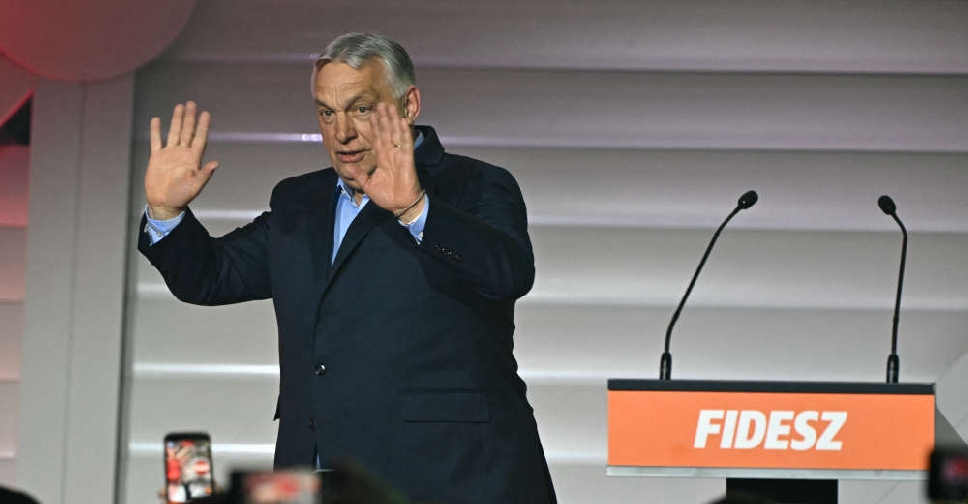 Hungary's Orban concedes landmark election defeat
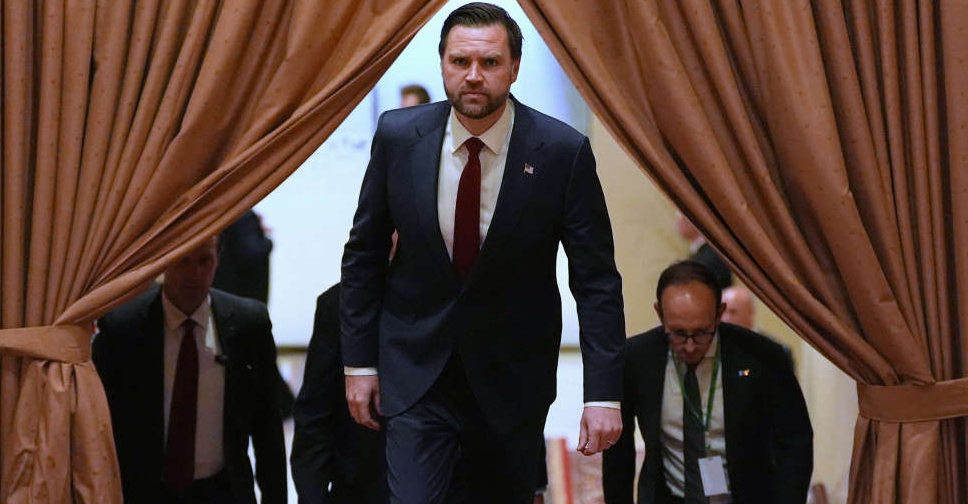 Trump vows to blockade Strait of Hormuz after Iran peace talks stumble
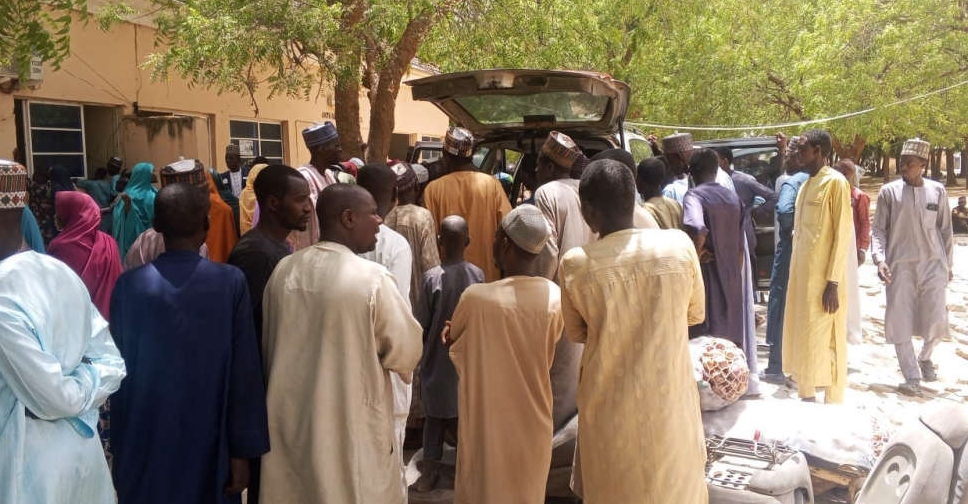 Nigerian airstrike hits market, 200 feared dead
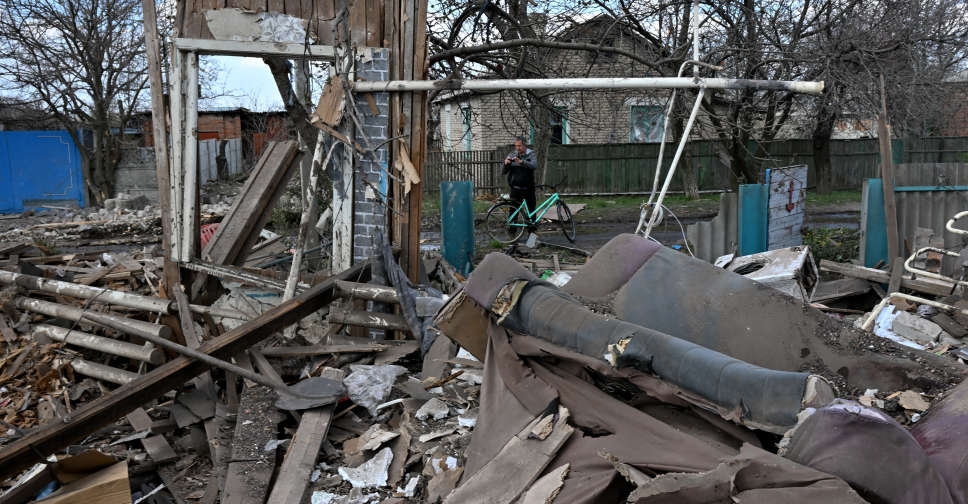 Russia, Ukraine trade accusations of ceasefire violations