Russia and the United States will discuss resuming a deal to ensure the safety of merchant shipping in the Black Sea, the Kremlin said on Monday, noting that what Moscow saw as key parts of an earlier agreement on the subject were never implemented.
Kremlin spokesman Dmitry Peskov said that the "Black Sea Initiative", more commonly known as the grain deal, was on the agenda at talks in Saudi Arabia between Russian and US officials on Monday.
He said that US President Donald Trump had proposed discussing the Black Sea deal and that Putin had agreed to discuss it.
"This is primarily about the safety of navigation," Peskov said, when asked what the Black Sea deal amounted to.
"But if you remember the initiative in its previous form, there was quite a large part of the obligations to our country that were not fulfilled last time. Therefore, this will also be on the agenda today."
Turkey and the United Nations helped mediate the so-called Black Sea Grain Initiative, a deal struck in July 2022 that allowed the safe export of nearly 33 million metric tons of Ukrainian grain across the Black Sea despite the war.
Russia withdrew from the agreement in 2023, complaining that its own food and fertiliser exports faced serious obstacles, though Russia is not currently facing serious problems getting its grain to market by the Black Sea.
To convince Russia to agree to the Black Sea deal, a three-year memorandum of understanding was struck in July 2022 under which U.N. officials agreed to help Russia get its food and fertiliser exports to foreign markets.
While Russian exports of food and fertiliser are not subject to Western sanctions, Moscow has said restrictions on payments, logistics and insurance have amounted to a barrier to shipments.
Russia wanted a resumption of its ammonia exports and the reconnection of its state agricultural bank Rosselkhozbank to the SWIFT international payments system.
When asked about Trump's remarks indicating progress on a possible settlement for Ukraine, Peskov said that Russia and the United States had a common understanding on the need to move towards a settlement to end the war in Ukraine but that there were still many different aspects that need to be worked out.
"There is indeed a common understanding here," Peskov said.
"In general, of course, there are still a lot of different aspects related to the settlement to be worked out."

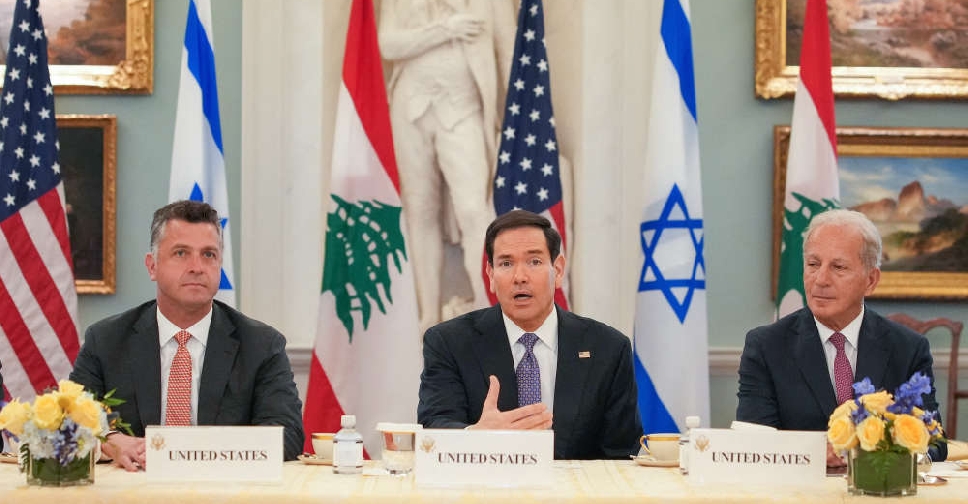 US hosts Lebanese and Israeli envoys as Israel presses war on Hezbollah
 US, Iran may resume talks this week despite port blockade
 Around 250 missing after Rohingya boat capsizes in Andaman Sea
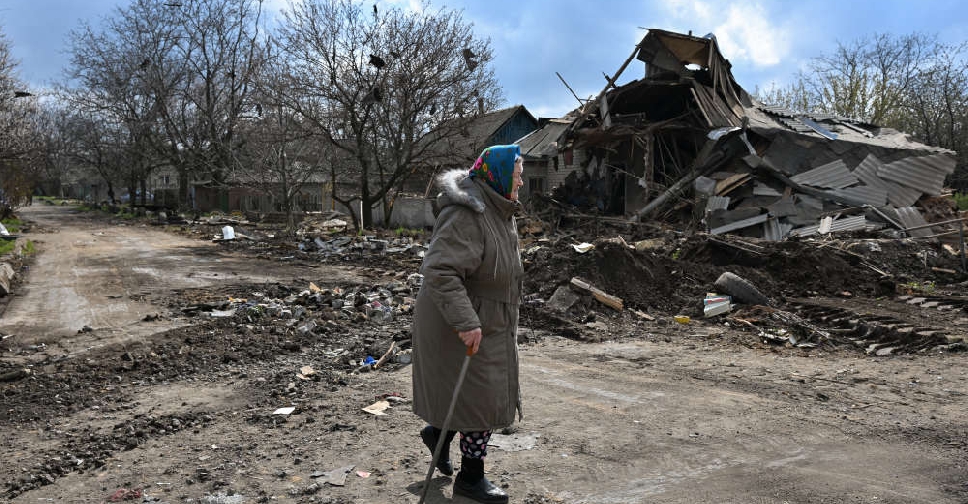 Russia launches more than 300 drones, missiles at Ukraine overnight
 Canada, UK, Australia and Japan call for 'urgent end to hostilities in Lebanon'