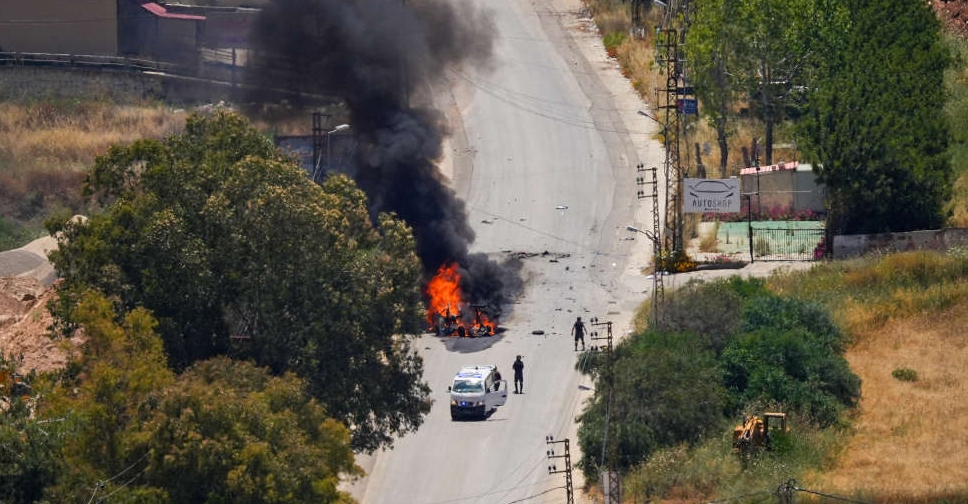
Two Lebanese army officers and a soldier were killed in an Israeli strike on a military vehicle in south Lebanon on Saturday, the Lebanese army said, while the Israeli military said it was investigating the incident.
The Israeli military said it targeted the vehicle after identifying what it described as a threat to its forces and receiving indications that Hezbollah was preparing to fire on Israeli troops from the area.
Israel's military said an initial inquiry indicated that two officers and a soldier in the Lebanese army were inside the vehicle when it was struck.
Lebanon's army said the strike happened on the Khardali-Nabatieh road, some 70 km south of Beirut.
Hezbollah condemned the strike, calling it a deliberate attack and part of Israel's continued aggression against Lebanon.
The group said the attack was the result of what it called the Lebanese authorities' disregard for the country's sovereignty and a series of concessions, including what it described as acquiescence to Israeli demands in Washington, which it said had emboldened Israel.
Lebanese President Joseph Aoun condemned the Israeli strike, calling it a flagrant violation of Lebanon's sovereignty and international law that threatened stability in south Lebanon despite ongoing efforts to halt hostilities.
The Lebanese army has largely stayed out of hostilities between Hezbollah and Israel and has not taken part in the fighting during the current conflict.
The war began after Hezbollah opened a front against Israel in support of Hamas at the start of the Gaza war in October 2023. The conflict escalated into a major Israeli air and ground campaign in Lebanon in 2024, killing much of Hezbollah's senior leadership and causing widespread destruction in the country's south and eastern regions.
A US-brokered ceasefire took effect in November 2024, but Israel has continued to carry out strikes in Lebanon, saying its attacks are aimed at Hezbollah members and infrastructure.
Hostilities between Israel and Hezbollah flared up again on March 2 few days after the start of the US-Israeli war on Iran. The conflict has since killed thousands in Lebanon and displaced more than a million people.
Lebanon's government responded by banning Hezbollah's military activities and has backed US-mediated efforts to secure a durable ceasefire, including talks aimed at ending hostilities, securing an Israeli withdrawal from south Lebanon and addressing the issue of Hezbollah's weapons.
Hezbollah has rejected proposals linking a ceasefire to its disarmament, saying Israel must first halt its attacks and withdraw its forces.

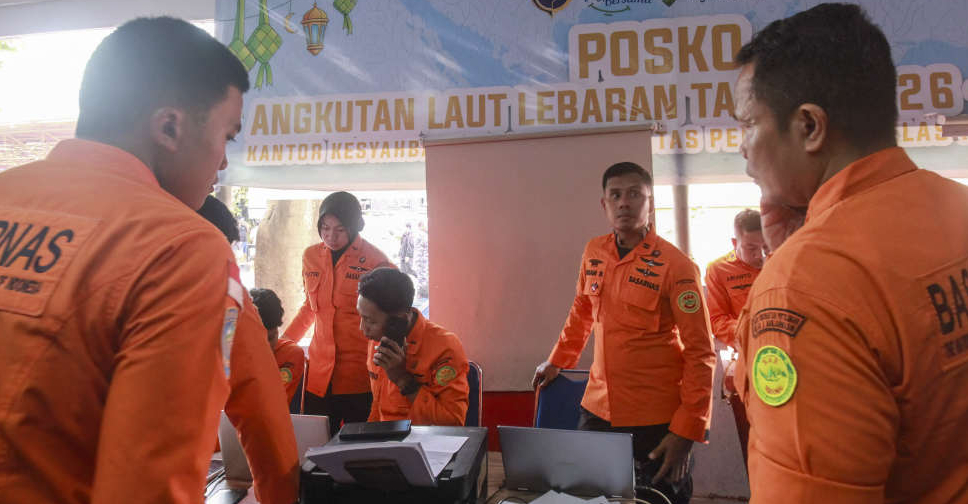 Rescuers search for 130 people after Indonesia passenger ship sinks; six dead
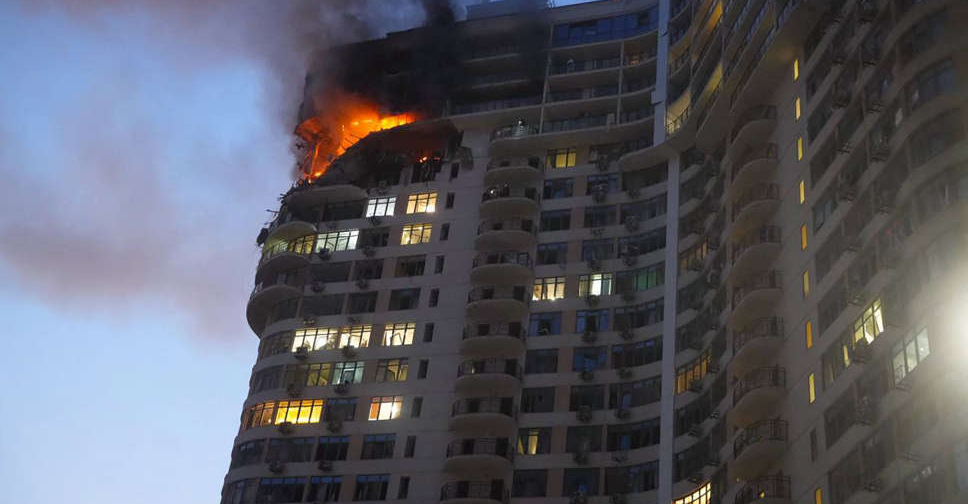 Russian drone attack injures five in Ukraine's Odesa, officials say
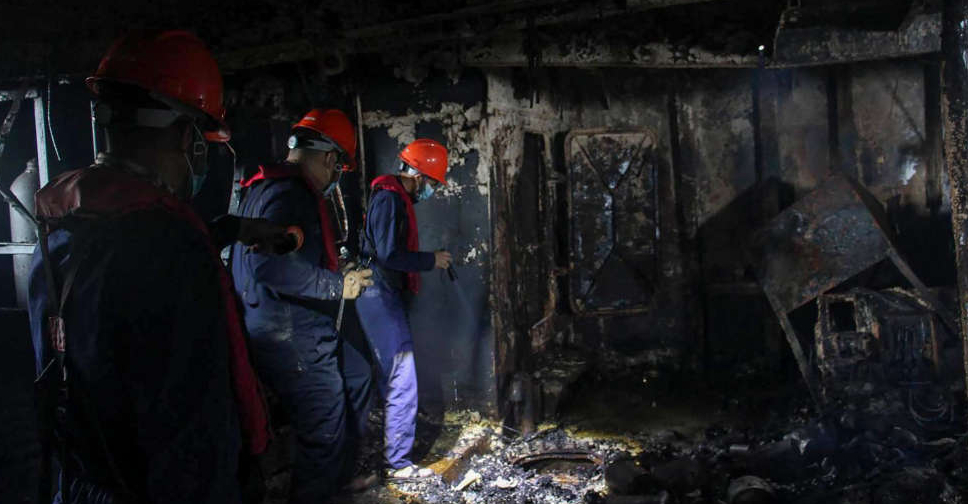 Philippine ferry fire victims may take months to identify, authorities say
 Israeli strike kills two people in Gaza, medics say
 Saudi Arabia shuts key oil pipeline after drone attack