Israel threatened to strike at least 30 identified targets in Iraq if the country’s leadership fails to reign in Iranian-backed groups targeting Israel, according to the Saudi-based Elaph news site.
Iraqi Prime Minister al-Sudani's government has not been successful in a push to convince the Islamic Resistance in Iraq - a coalition of Iran-backed armed groups - to stop firing rockets and drones at Israel, according to four sources in Iran-backed armed groups and two government advisors.
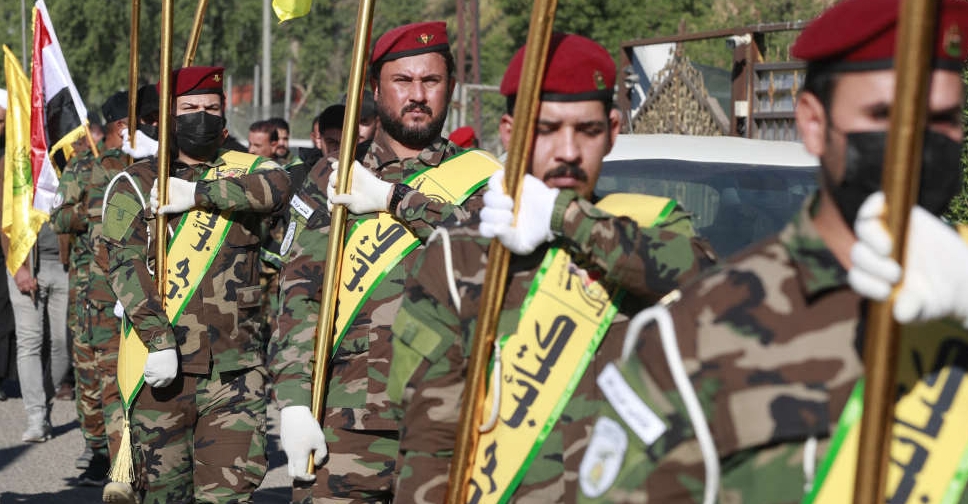
Kataib Hezbollah and Nujaba groups, which are leading the attacks on Israel, have warned the prime minister against pressuring them to halt their actions and vowed to continue their attacks as long as Israel continued its Gaza and Lebanon operations.
The Islamic Resistance in Iraq said it carried out four drone attacks on the Israeli resort of Eilat on Saturday, after Israel said it intercepted three drones approaching from the east.
In a statement, the umbrella group said it was behind the attacks on what it called “four vital targets” in the resort on Israel's Red Sea coast, all conducted within one hour. The coalition has launched dozens of attack against Israel in support of Hamas and Hezbollah.
Several reports indicated Iran is planning on launching an attack against Israel from Iraqi territory in retaliation for the October 26 Israeli strikes on Tehran. Iran and Israel have been engaged in tit-for-tat attacks over several weeks, threatening a larger regional conflict.
Axios, citing Israeli intelligence sources, claimed the attack was likely to come before the US presidential election on November 5.
Western governments have expressed hope for an end to the exchange of attacks after the latest Israeli strikes, however, the US and Israel expect further retaliation from Iran.
The head of Iranian Supreme Leader Ayatollah Khamenei’s office, Gholamhossein Mohammadi Golpayegani, said on Thursday that Iran planned to deliver “a fierce, tooth-breaking response” to Israel’s “desperate action”.
Iran potentially launching an attack from Iraq would be an attempt at minimising repercussions from Israel and the US while maintaining its promise of retaliation.
On Sunday, Iranian President Masoud Pezeshkian hinted that Iran's response to Israel could be influenced by a potential ceasefire in the ongoing regional conflicts.
Pezhaskian stated, "If the Israelis reconsider their behavior and accept a ceasefire, halting their killing of the oppressed and innocent, this may affect the intensity and nature of our retaliation."
He reaffirmed that Iran "will not allow any aggression against its sovereignty and security to go unanswered".

 US to blockade Iran on Monday after talks fail to yield a deal
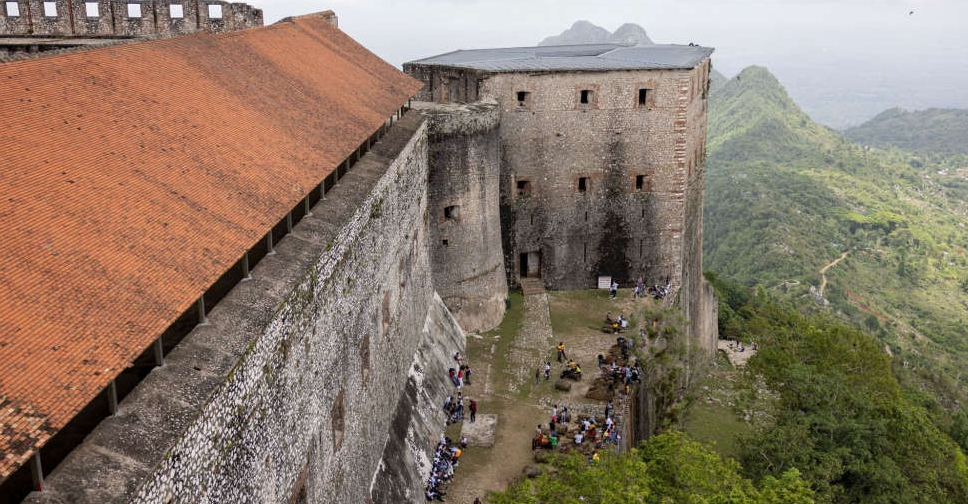 Haiti declares three days of national mourning for 25 killed in stampede
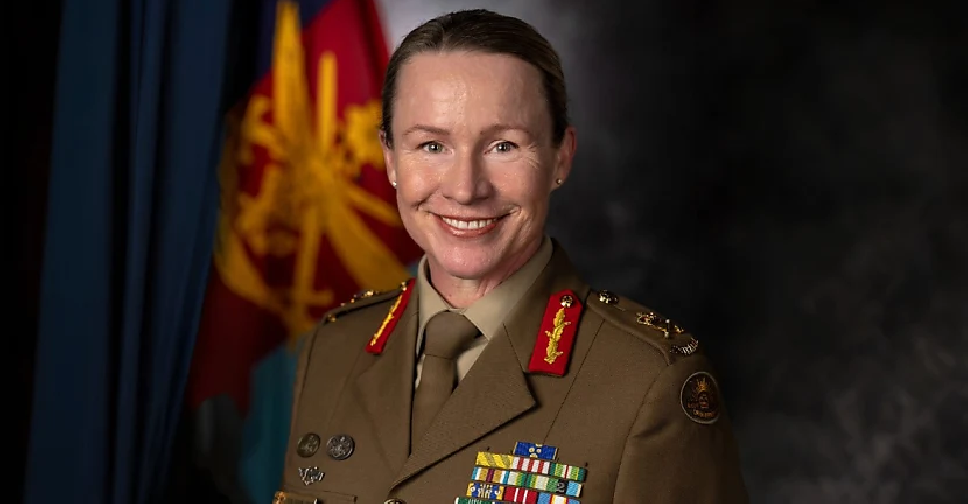 Australia appoints woman to lead its army for the first time
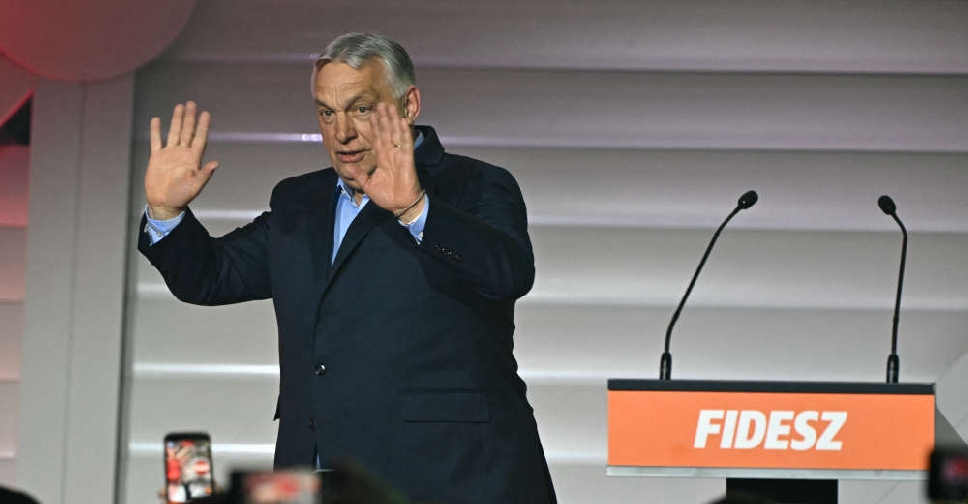 Orban ousted after 16 years as Hungarians flock to pro-EU rival
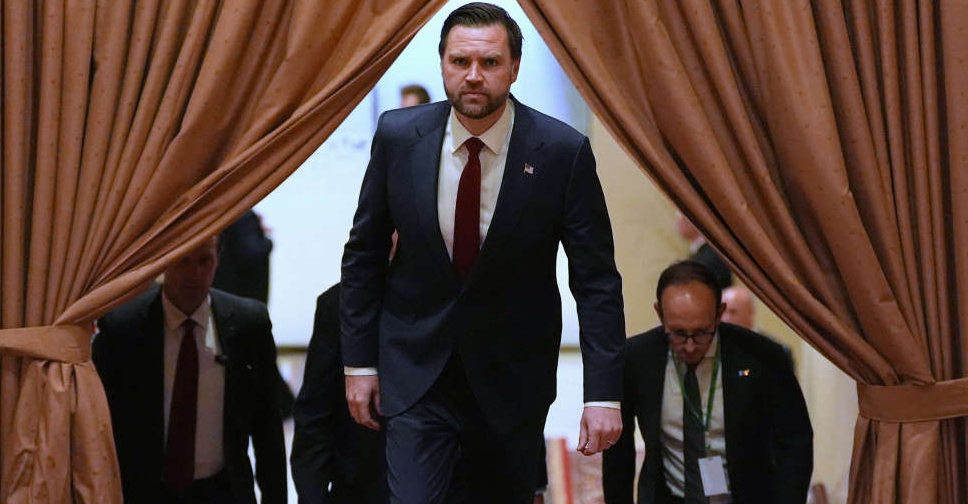 Trump vows to blockade Strait of Hormuz after Iran peace talks stumble