Villagers in some of the most isolated areas hit by Morocco's earthquake were still living in makeshift tents and relying on donkeys to bring vital supplies on Thursday as they waited for state aid to reach them nearly a week after the disaster.
The 6.8 magnitude earthquake that struck the High Atlas Mountains late on September 8 killed 2,946 people and injured 5,674, according to the latest official figures, making it Morocco's deadliest since 1960 and most powerful since at least 1900.
While orderly camps of large, government-issued tents and military field hospitals have sprung up in some of the larger towns, parts of the rugged region are still surviving on donations left on roadsides by citizens.
Reuters reporters travelling along a remote road connecting Amazigh, or Berber, villages, saw survivors camped out in small tents or under plastic sheets, scared that aftershocks could destroy their damaged houses.
The government has said it is doing everything it can to help all earthquake victims.
The royal palace said in a statement on Thursday that 50,000 houses were known to have been damaged by the earthquake, and it would provide shelter and 30,000 dirhams ($3,000) to affected households.
It also pledged to offer reconstruction aid of 140,000 dirhams for collapsed homes and 80,000 for damaged ones.
The city of Marrakech, which was about 72 km from the epicentre and suffered some damage, will host the annual meetings of the World Bank and the International Monetary Fund as planned on October 9-15, Morocco's central bank governor said on Thursday.
But in the Amazigh villages there was little sign of help from the authorities materialising or of life returning to normal anytime soon.
STILL WAITING
On a hilltop at Azermoun, men were sharing out and loading supplies of food and water onto donkeys and mules to transport them to Aoufour, some 15 km away, in a slow-moving convoy of people and animals.
"The people are suffering in this earthquake. They have nothing. We live only on air. We need tents and blankets," said Mohamed Zidane, 55, from Aoufour.
When the convoy was ready, Zidane got on one of the animals and headed off for the long trek home. It would take another two or three days to organise the next convoy.
In a valley down a steep slope from the village of Anzelfi, which suffered severe damage, residents had set up camp with some tents as well as blankets, rugs and other salvaged items.
"We are still waiting for the government to help us," said Mohamed Oufkir, 30. "We are here because we are homeless."
"We are in danger because when it rains the valley can flood," he said. At night it was bitterly cold, he added.
In the village of Tagsdirt, Ibrahim Meghashi's house was still standing but there were huge holes and wide cracks in the walls.
Too fearful to stay inside, he and his wife and three daughters aged six, 10 and 15 were living in an improvised tent. They had lined the dirt floor with cardboard and a mat and had stacked mattresses on top of each other.
"We are very scared. Life here is becoming harder. It is cold. We no longer have a home and we fear there will be another earthquake," said Meghashi, 39.


 US-Iran peace talks end without agreement, delegations leave Pakistan
 At least 30 dead in stampede at Haiti’s historic Laferriere Citadel
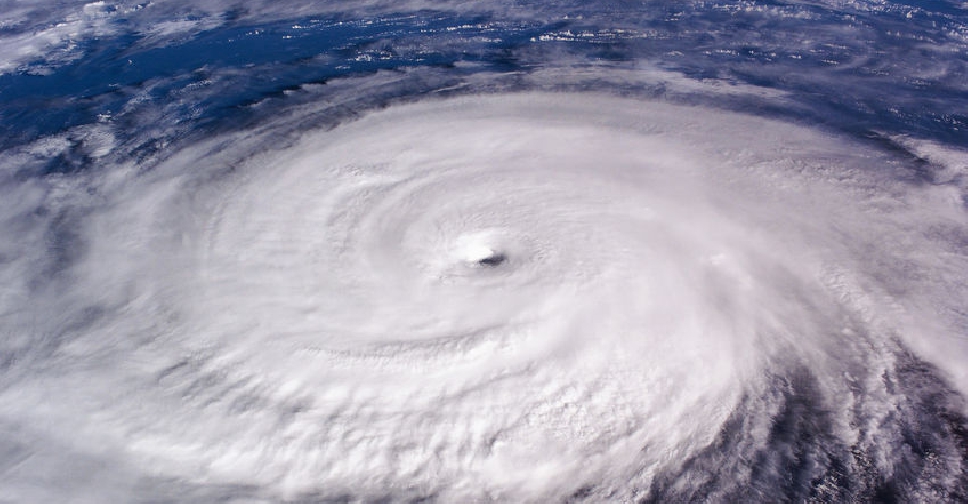 Cyclone lashes New Zealand's North Island, hundreds evacuated
 US-Iran talks pause for now, disagreements remain
 Costa Rica receives first group of deported migrants under agreement with US