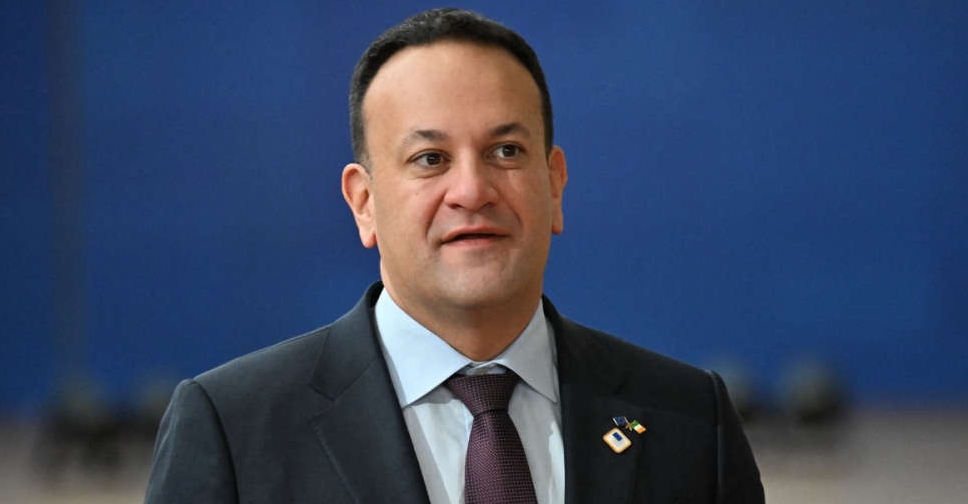
Leo Varadkar said on Wednesday he would step down as Ireland's prime minister and the leader of the governing Fine Gael party, in a surprise move, for "personal and political" reasons.
Varadkar's departure as head of the three-party coalition does not automatically trigger a general election.
He said he had asked for a new leader of the party to be elected ahead of Fine Gael's annual conference on April 6, following which parliament would vote on that person becoming prime minister after the Easter break.
"My reasons for stepping down are both personal and political," Varadkar, 45, told a hastily arranged news conference outside government buildings in Dublin.
"But after careful consideration, and some soul searching, I believe that a new taoiseach (prime minister) and a new leader will be better placed than me to achieve that (the coalition government's re-election)."
Sounding emotional as he made the announcement, he said was quitting as leader of Fine Gael and would resign as prime minister as soon as his successor took up the post.
The main opposition Sinn Fein party, the former political wing of the Irish Republican Army, has held a wide lead over Fine Gael and their main coalition partner Fianna Fail in all opinion polls for the last two years.
The next election must be called by early 2025. Polls suggest the current coalition also stands a chance of being re-elected.
The leaders of Varadkar's coalition partners said they were surprised when he let them know of his plans at a regular weekly meeting on Tuesday. Green Party leader Eamon Ryan said his party would work with whoever replaces Varadkar.
Contenders to succeed Varadkar as Fine Gael leader include Higher Education Minister Simon Harris, who was health minister during the COVID-19 pandemic, Enterprise Minister Simon Coveney, a former deputy prime minister, Public Expenditure Minister Paschal Donohoe and Justice Minister Helen McEntee.
As recently as last weekend, Varadkar was in Washington where he met US President Joe Biden for St. Patrick's Day celebrations and talks on subjects including the Israel-Hamas conflict and the Belfast/Good Friday Agreement.
Varadkar said it was the right time for him to step down and that there was no "real reason" behind his decision.
"I have nothing else lined up. I have nothing in mind. I have no definite personal or political plans," he said.

 US to blockade Iran on Monday after talks fail to yield a deal
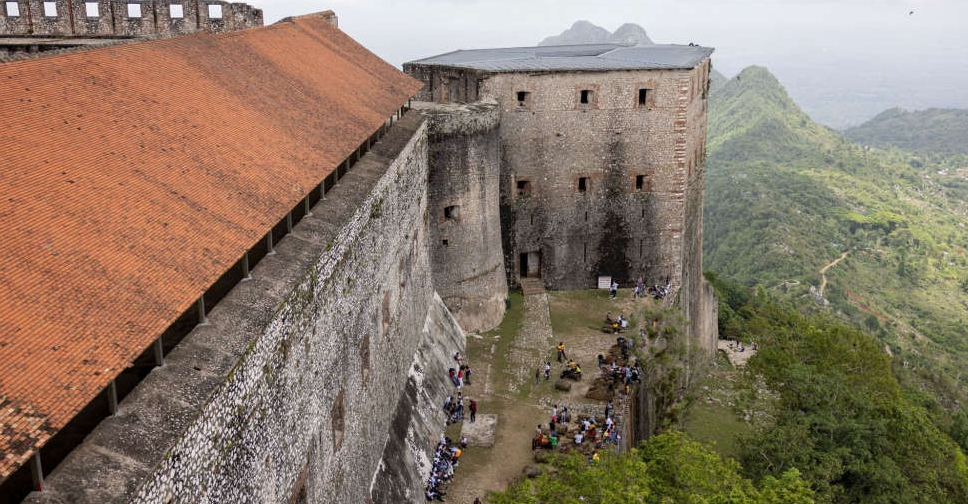 Haiti declares three days of national mourning for 25 killed in stampede
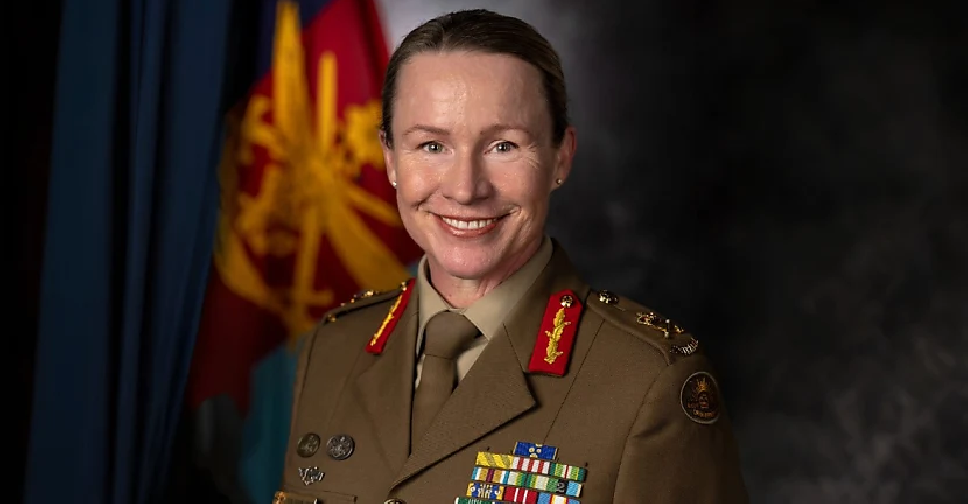 Australia appoints woman to lead its army for the first time
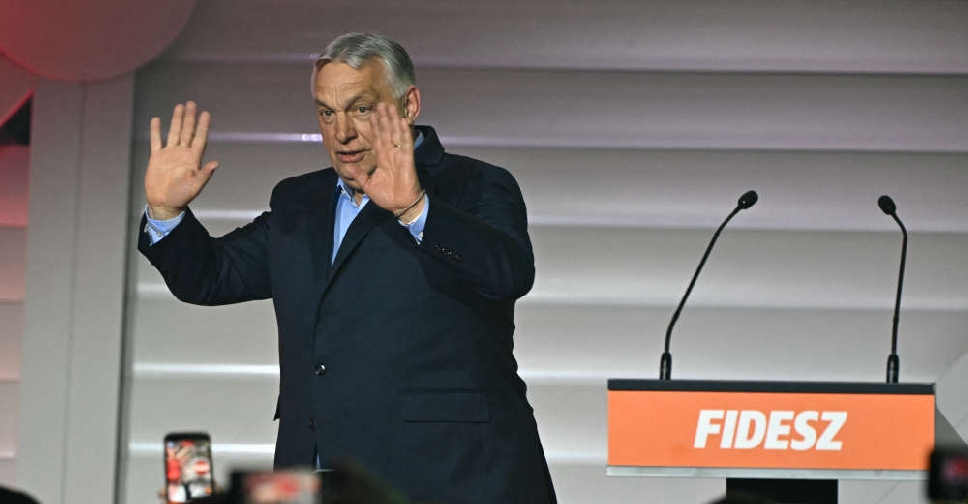 Orban ousted after 16 years as Hungarians flock to pro-EU rival
 Trump vows to blockade Strait of Hormuz after Iran peace talks stumble