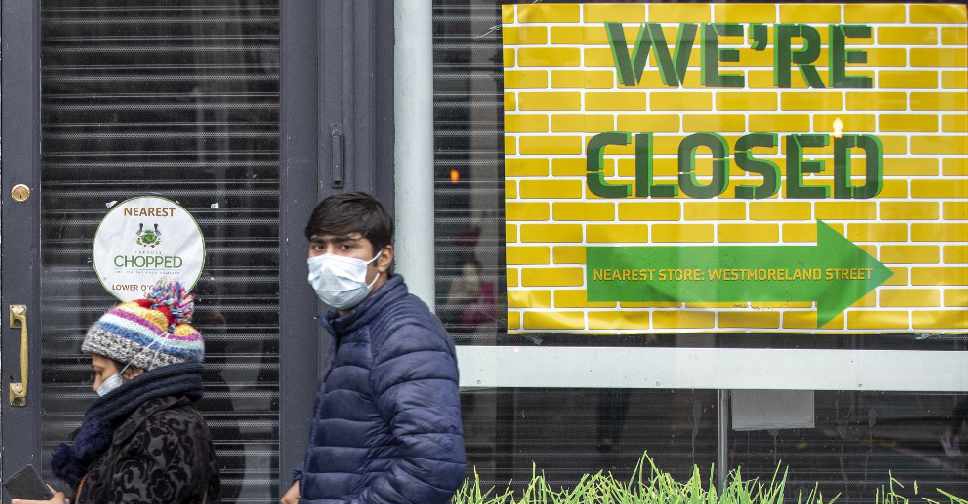
Ireland announced some of Europe's toughest COVID-19 constraints on Monday, shutting non-essential retail and telling people not to travel more than 5km from their home.
This time, schools will stay open and essential services such as construction are allowed to continue, Prime Minister Micheal Martin said, as he moved the country to the highest level of restrictions, Level 5, for six weeks from midnight Wednesday.
Hotels may remain open, but only if their rooms are needed by essential workers.
"The evidence of a potentially grave situation arising in the weeks ahead is now too strong," Martin said in a televised address, two weeks after rejecting what was then seen as a surprise call by health chiefs to move to Level 5, marking the first time ministers went against their advice.
Martin said the government's aim was to return to Level 3 by December 1. That would allow all retailers to reopen and restaurants to serve 15 customers outdoors. Even then, another lockdown could not be ruled out in 2021, he added.
While countries struggling with high rates of infection like Belgium, the Netherlands and France have shut bars, restaurants and imposed a nighttime curfew, none have such strict travel restrictions within the country.
Harder hit Northern Ireland last week shut schools for two weeks and restaurants for four, although most retailers remain open. In Wales, people have been asked to stay at home in a two-week "fire-break" lockdown announced on Monday.
On Sunday, Ireland broke its single-day record for new for the fifth time in nine days, and has the 12th highest rate among the 31 countries monitored by the European Centre for Disease Prevention and Control.
To cushion the blow, the government will increase the amount it contributes to coronavirus-related jobless payments and wage subsidies until January 31. Last week's budget, the biggest stimulus package in the history of the state, introduced much larger grants of up to 5,000 euros ($5,884.50) per week for shuttered or battered businesses.


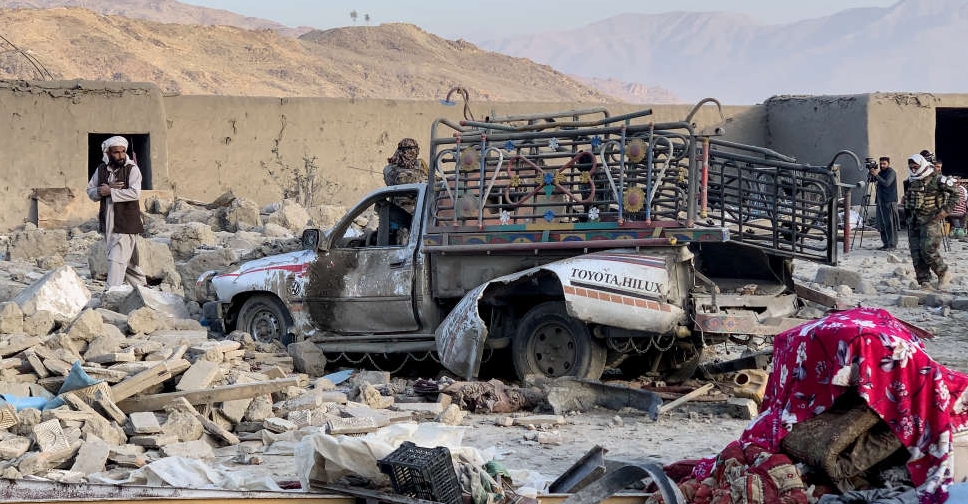 Afghanistan says Pakistan strikes kill and injure dozens
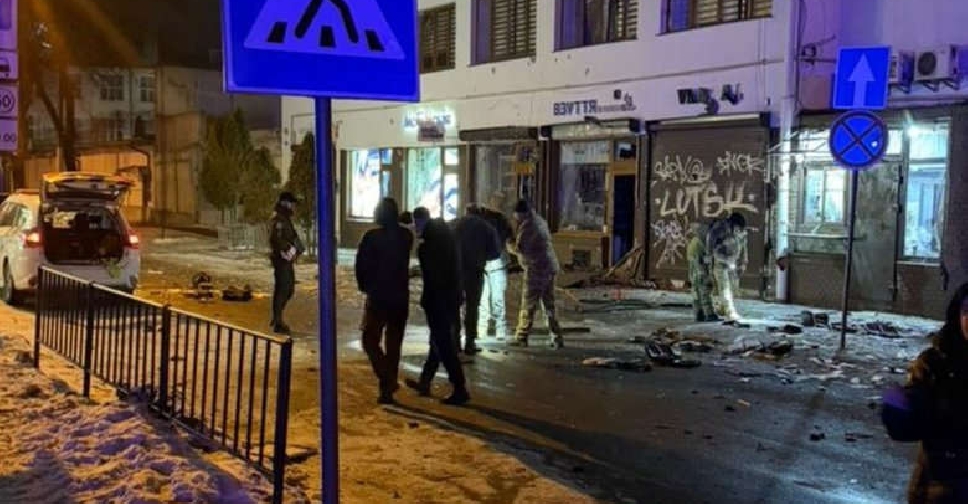 Police officer killed, dozens injured in bomb explosions in Ukraine's Lviv
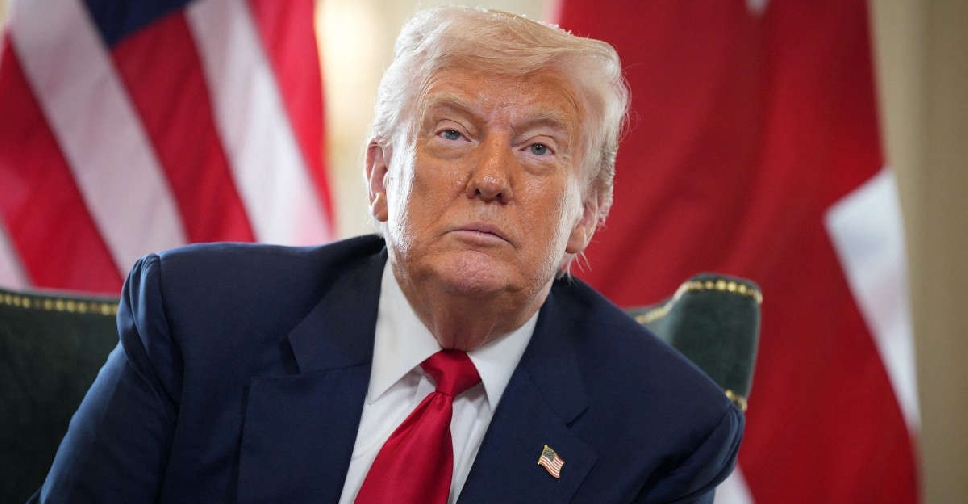 Trump pivots to new 15% global tariff after Supreme Court setback
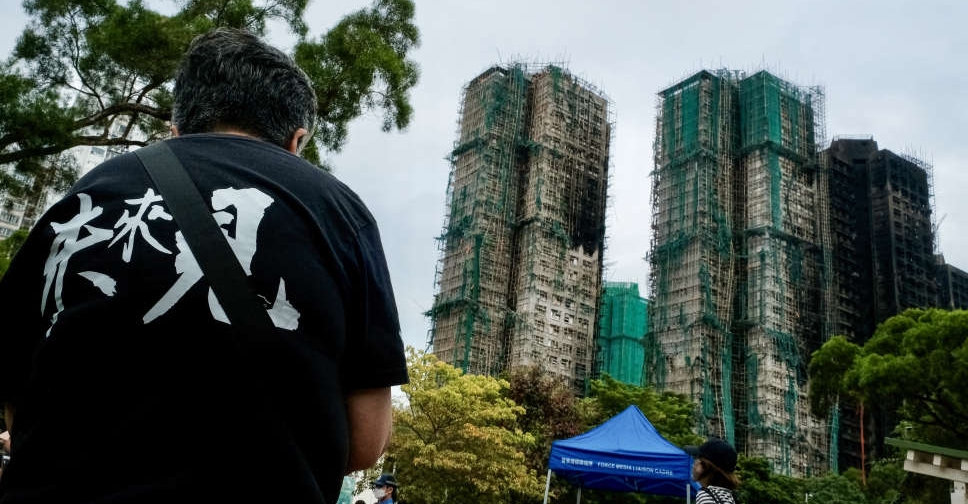 Hong Kong plans to buy homes devastated in deadly high-rise fire
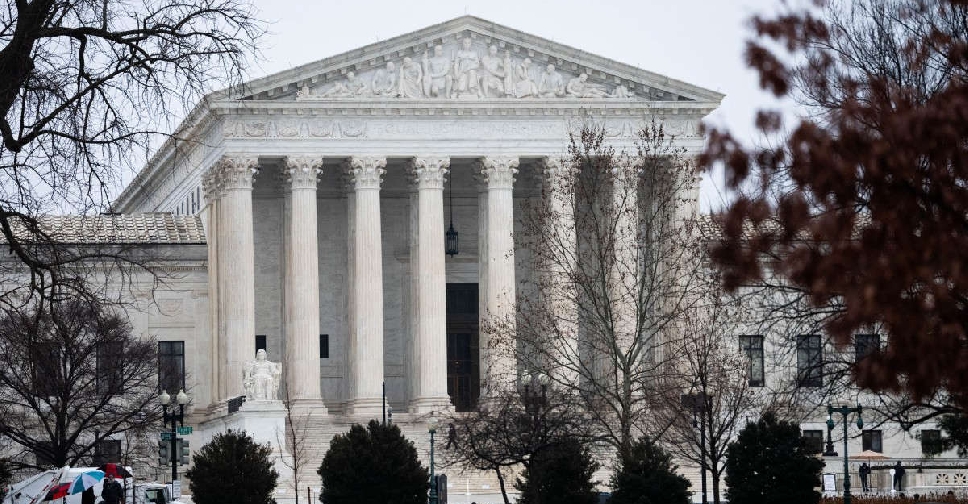 US Supreme Court strikes down Trump's global tariffs