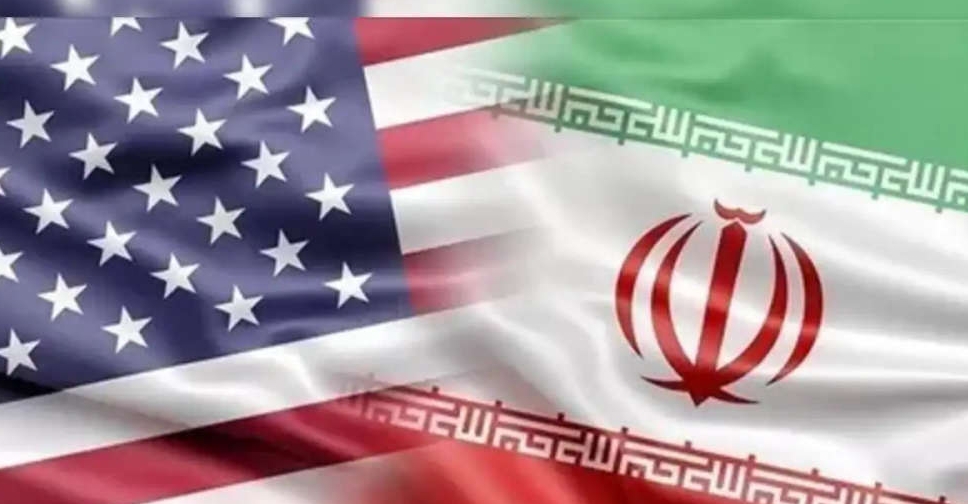
Iran and the United States started a new round of nuclear talks in Rome on Saturday to resolve their decades-long standoff over Tehran's atomic aims, under the shadow of President Donald Trump's threat to unleash military action if diplomacy fails.
Iran's Foreign Minister Abbas Araqchi and Trump's Middle East envoy Steve Witkoff will negotiate indirectly through an Omani official who will shuttle messages between the two sides, Iranian officials said, a week after a first round of indirect talks in Muscat that both sides described as constructive.
Araqchi and Witkoff interacted briefly at the end of the first round, but officials from the two countries have not held direct negotiations since 2015 under former U.S. President Barack Obama.
Araqchi, in a meeting with his Italian counterpart ahead of the talks, said Iran had always been committed to diplomacy and called on "all parties involved in the talks to seize the opportunity to reach a reasonable and logical nuclear deal".
"Such an agreement should respect Iran's legitimate rights and lead to the lifting of unjust sanctions on the country while addressing any doubts about its nuclear work," Araqchi was quoted as saying by Iranian state media.
He said in Moscow on Friday that Iran believes reaching an agreement on its nuclear programme with the U.S. is possible as long as Washington is realistic.
"Rome becomes the capital of peace and dialogue," Italian Foreign Minister Antonio Tajani wrote on X. "I encouraged (Araqchi) to follow the path of negotiation against nuclear arms. The hope of the Italian government is that all together may find a positive solution for the Middle East."
Tehran has however sought to tamp down expectations of a quick deal, after some Iranian officials speculated that sanctions could be lifted soon. Iran's utmost authority, Supreme Leader Ayatollah Ali Khamenei, said this week he was "neither overly optimistic nor pessimistic".
Trump told reporters on Friday: "I'm for stopping Iran, very simply, from having a nuclear weapon. They can't have a nuclear weapon. I want Iran to be great and prosperous and terrific."
Meanwhile, Israel has not ruled out an attack on Iran's nuclear facilities in the coming months, according to an Israeli official and two other people familiar with the matter.
Trump, who ditched a 2015 nuclear pact between Iran and six powers during his first term in 2018 and reimposed crippling sanctions on Tehran, has revived his "maximum pressure" campaign on the country since returning to the White House in January.
Washington wants Iran to halt production of highly enriched uranium, which it believes is aimed at building an atomic bomb.
Tehran, which has always maintained its nuclear programme is peaceful, says it is willing to negotiate some curbs in return for the lifting of sanctions, but wants watertight guarantees that Washington will not renege again.
Since 2019, Iran has breached and far surpassed the 2015 deal's limits on its uranium enrichment, producing stocks far above what the West says is necessary for a civilian energy programme.
A senior Iranian official, who described Iran's negotiating position on condition of anonymity, listed its red lines as never agreeing to dismantle its uranium enriching centrifuges, halt enrichment altogether or reduce its enriched uranium stockpile below levels agreed in the 2015 deal.
Iran also rejects negotiating about defence capabilities such as its ballistic missile program and the range of Tehran's domestically-produced missiles.
Russia, a party to Iran's 2015 nuclear agreement, has offered "to assist, mediate, and play any role" that will be beneficial to Iran and the U.S.

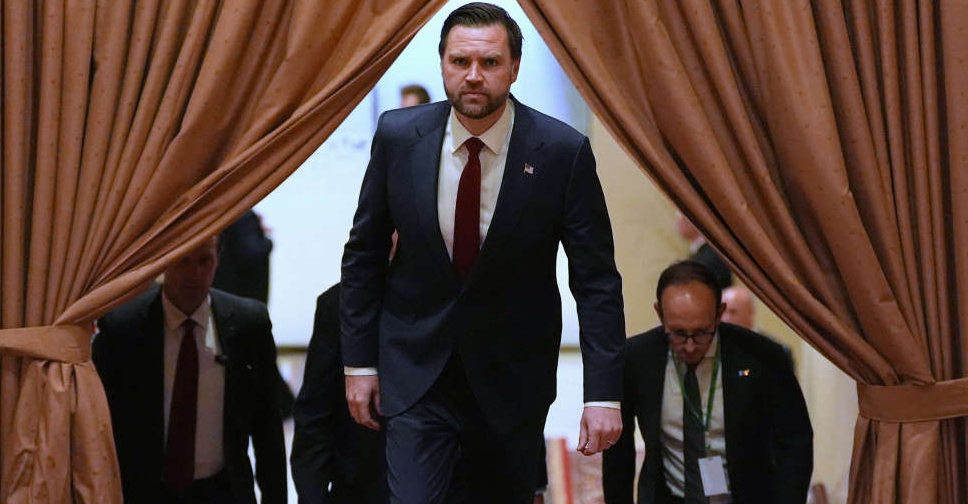 Trump vows to blockade Strait of Hormuz after Iran peace talks stumble
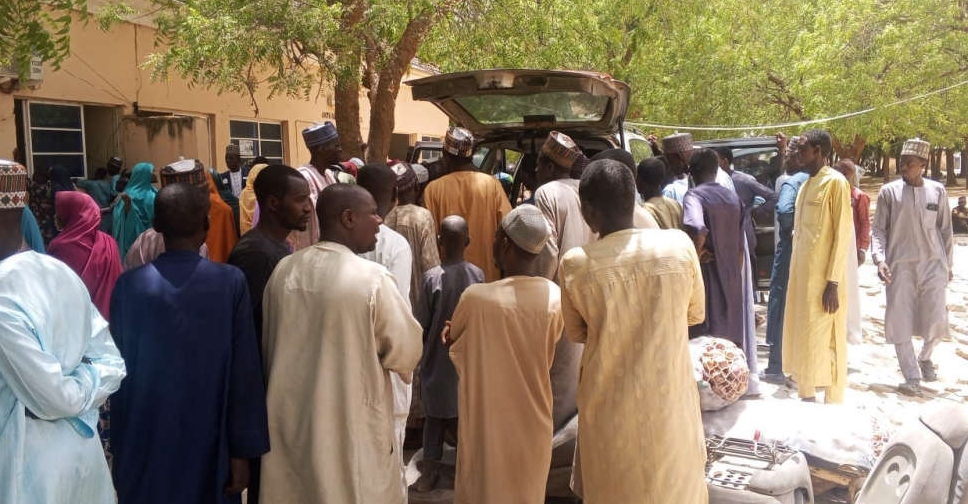 Nigerian airstrike hits market, 200 feared dead
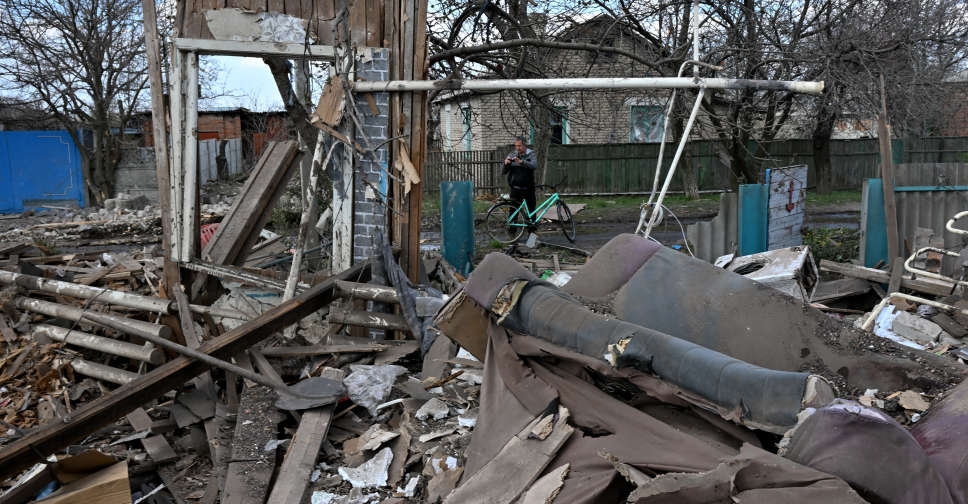 Russia, Ukraine trade accusations of ceasefire violations
 At least 30 dead in stampede at Haiti’s historic Laferriere Citadel
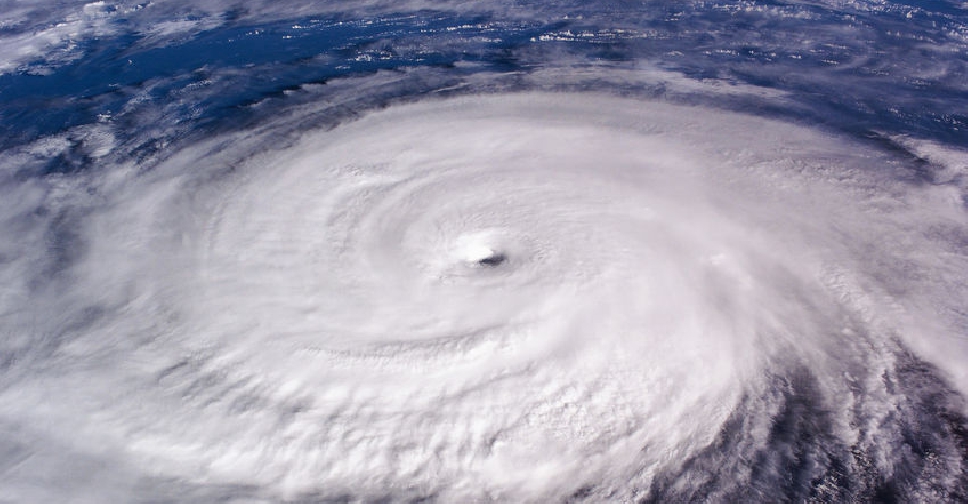 Cyclone lashes New Zealand's North Island, hundreds evacuated