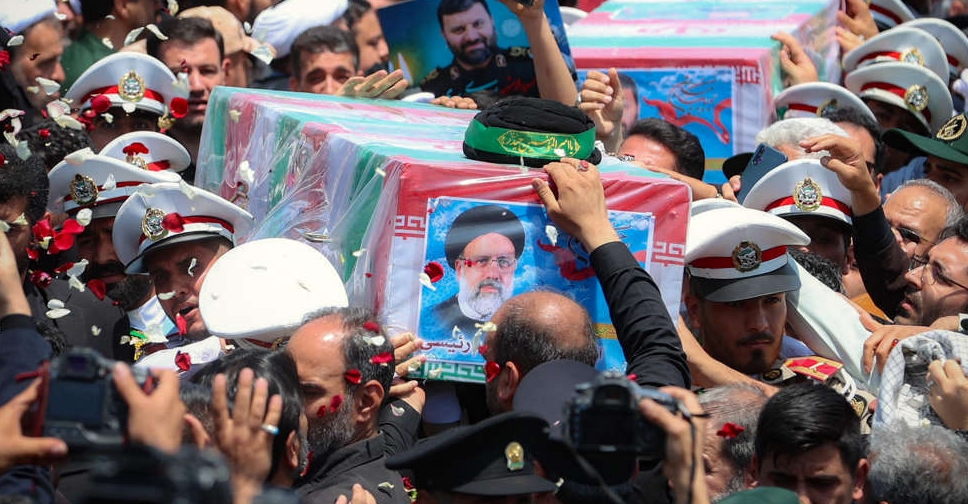
The helicopter crash in which Iran's late President Ebrahim Raisi was killed in May was caused by weather conditions and the aircraft's inability to handle the weight it was carrying, Iran's semi-official news agency said, citing a security source informed of the final investigation results.
A preliminary report by Iran's military had said in May that no evidence of foul play or an attack had been found during the investigation.
"The investigation in the case of Ayatollah Raisi's helicopter crash have been completed ... there is complete certainty that what happened was an accident," the security source, who was not named, told Fars.
Two reasons for the accident were identified: the weather conditions were unsuitable and the helicopter was unable to handle the weight, leading to it crashing into a mountain, the source added, according to Fars.
The investigation indicates that the helicopter was carrying two people more than the capacity that security protocols allow, the source told Fars.
Raisi, once a potential successor to Supreme Leader Ayatollah Ali Khamenei, was killed in the crash in mountainous terrain near the Azerbaijan border.

 Trump derides EU pitch to Canada as 'laughable', threatens more tariffs
 Australia cracks down on student and backpacker visas to curb migration
 EU plans social media ban for under-13s
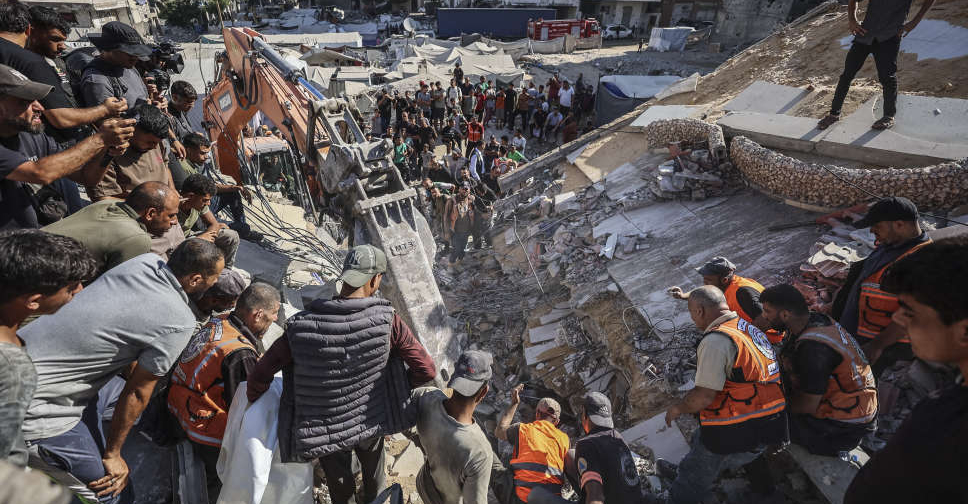 War-damaged Gaza building collapses, killing 20 people sheltering inside
 US extends visa sanctions on Palestinian Authority officials, PLO members