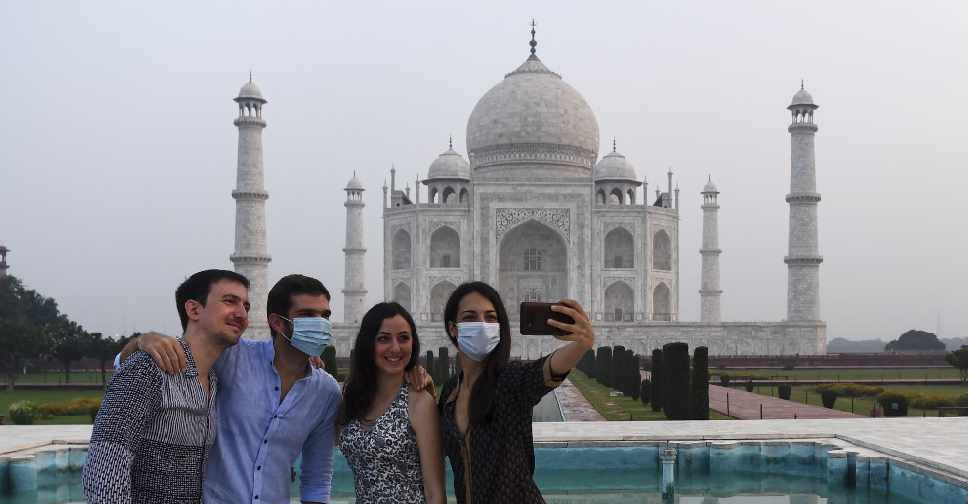
India reopened its famed monument to love, the Taj Mahal, with the first visitors trickling in on Monday, as authorities reported 86,961 new coronavirus infections, with no signs of a peak yet.
A Chinese national and a visitor from Delhi were among the first to step into the white marble tomb built by a 17th-century Mughal emperor for his wife when it opened at sunrise, ending six months of closure.
Daily visitor numbers have been capped at 5,000, versus an average of 20,000 before the pandemic. Tickets are only being sold online, with fewer than 300 bought on the first day.
Visitors will have their temperatures taken and must adhere to physical distance rules.
"We are following all COVID-19 protocols," said Vasant Swarnkar, superintendent of the Archaeological Survey of India, which oversees the Taj in the northern city of Agra, among other historical monuments.
India's coronavirus tally of 5.49 million infections lags only the US with 6.79 million, a figure the South Asian nation could overtake in the next few weeks at its current rate of increase.
The death toll of 87,882 was up 1,130 from the previous day, health ministry figures showed.
But as a proportion of its population, India's toll is still small compared to countries such as the US, Brazil and Britain.
Faced with the deepest economic contraction in decades, the government of Prime Minister Narendra Modi is pushing to free up virus curbs so that jobs and businesses can resume.
"We can survive for another four to six months: after that we will have to take some serious calls," said Abid Naqvi, who saw bookings at his boutique hotel drop to zero overnight after India's abrupt lockdown in March.
Until then, the 13-room Ekaa Villa, which opened in Agra last year at a cost of almost $1 million, had been operating at close to capacity.
Tourism contributed about $240 billion, or 9.2 per cent of India's gross domestic product in 2018, employing more than 42 million people, World Travel and Tourism Council data show.
However, foreign tourists were unlikely to return until at least April, said Manu PV, secretary of industry body the Association of Tourism Trade Organisations India (ATTOI), a month that traditionally ends the tourist season.
And a confusing system of regional lockdowns and quarantine rules is deterring domestic tourists.
"People don't want to go on holiday," he added. "They are very worried. There is a fear factor."


 EU plans social media ban for under-13s
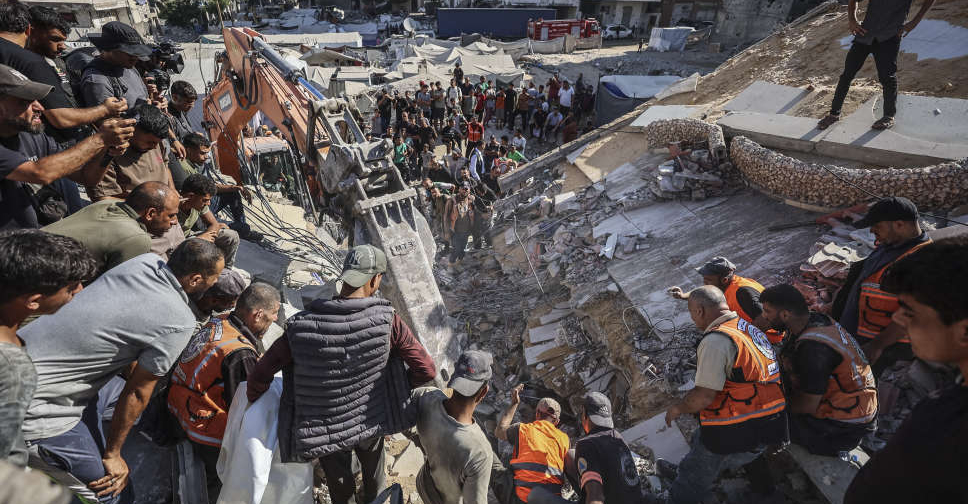 War-damaged Gaza building collapses, killing 20 people sheltering inside
 US extends visa sanctions on Palestinian Authority officials, PLO members
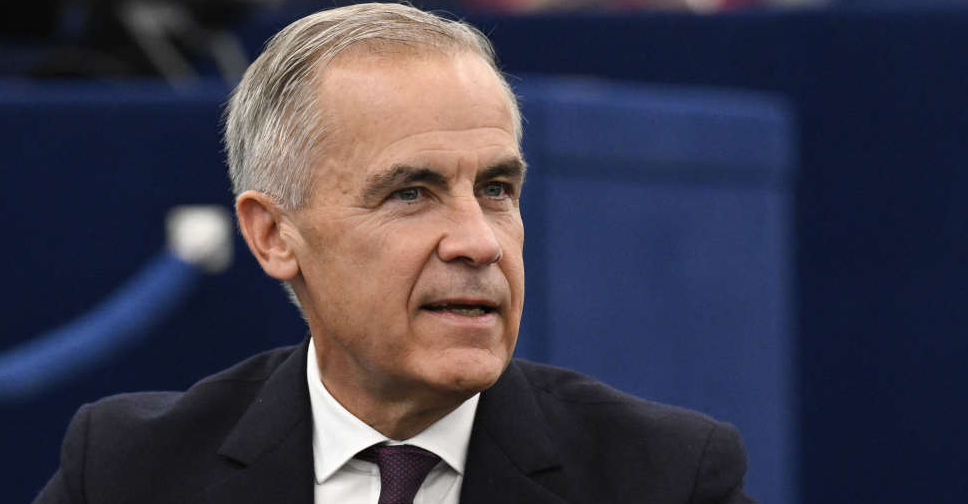 Canada applies to join UK-led military coalition
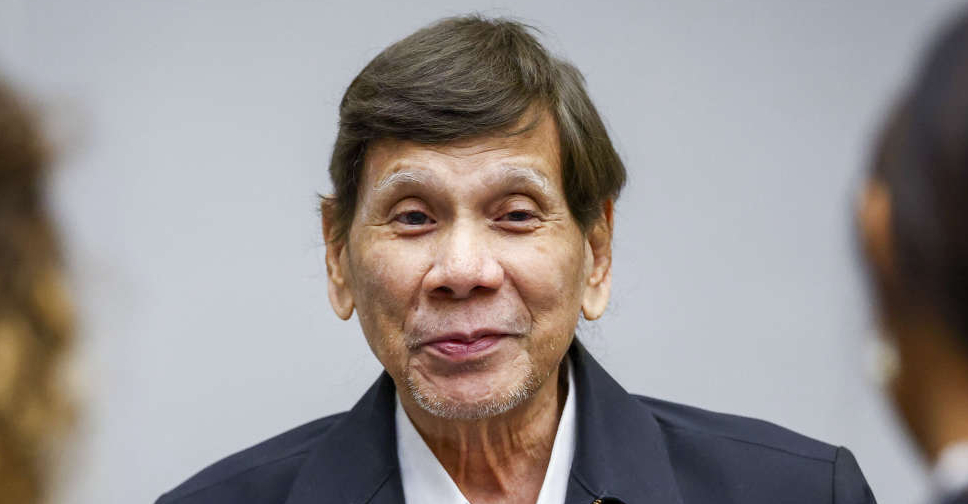 Former Philippines leader Duterte appears before ICC judges for first time in 18 months