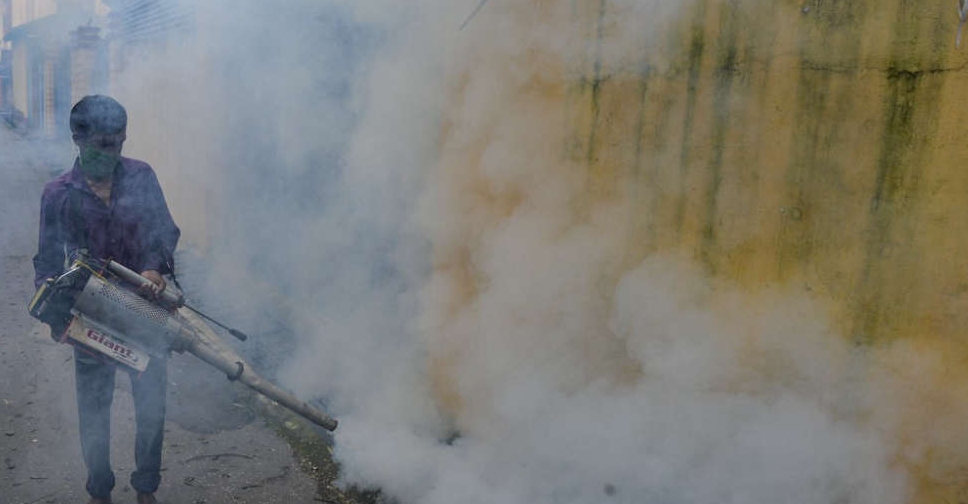
The Indian government has asked state authorities to impose restrictions ahead of festivals across the country, warning that overcrowding could lead to "super spreader" events and a new surge in infections.
India has reported an average of 30,000 to 40,000 new coronavirus cases every day since July, and the federal government has warned that although cases have dipped from a high of 400,000 daily at the peak of the deadly second wave, the danger has not abated yet.
"The Indian Council for Medical Research (ICMR)... have expressed concern regarding the potential of mass gathering events during festivals turning into super-spreader events, thereby leading to a spike in COVID cases," federal health secretary Rajesh Bhushan said in a letter to state governments released late on Wednesday.
India's busy festival season begins this month, with several celebrations dotting the calendar until November, when the Hindu festival of lights, Diwali, celebrated by millions, takes place.
Jolted by the devastating second wave that killed thousands in April and May, Prime Minister Narendra Modi's government has asked states to be cautious while opening up their stringent lockdowns this time around, saying the second wave was not yet over.
The western state of Maharashtra, which was the worst-affected in the second-wave, has significantly eased restrictions in the last month. The state is still reporting the second-highest caseload in the country, behind Kerala.
"Wherever there are clusters, there should be containment zones," Vinod Kumar Paul, a top government adviser, said at news conference this week.
About 129 million people were inoculated in July, but the pace will have to pick up if the government is to meet its stated aim of vaccinating 950 million Indian adults by the end of the year.
On Thursday, India reported 42,982 new cases of COVID-19 and 533 deaths in the last 24 hours, the federal government said, taking its total caseload to 31.8 million.


 Trump vows to blockade Strait of Hormuz after Iran peace talks stumble
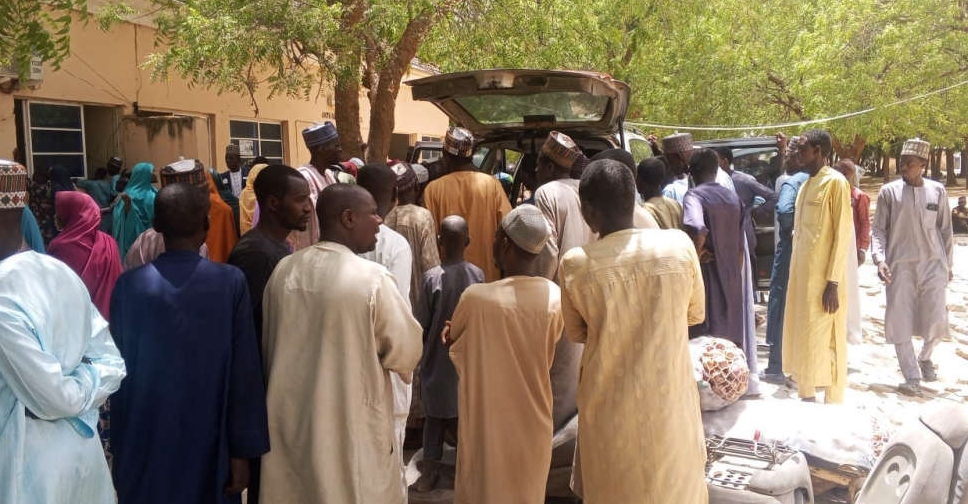 Nigerian airstrike hits market, 200 feared dead
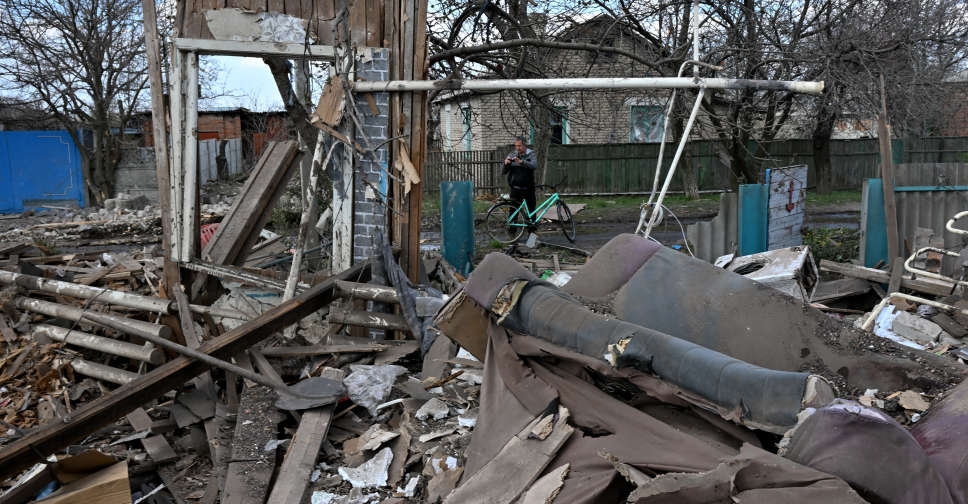 Russia, Ukraine trade accusations of ceasefire violations
 At least 30 dead in stampede at Haiti’s historic Laferriere Citadel
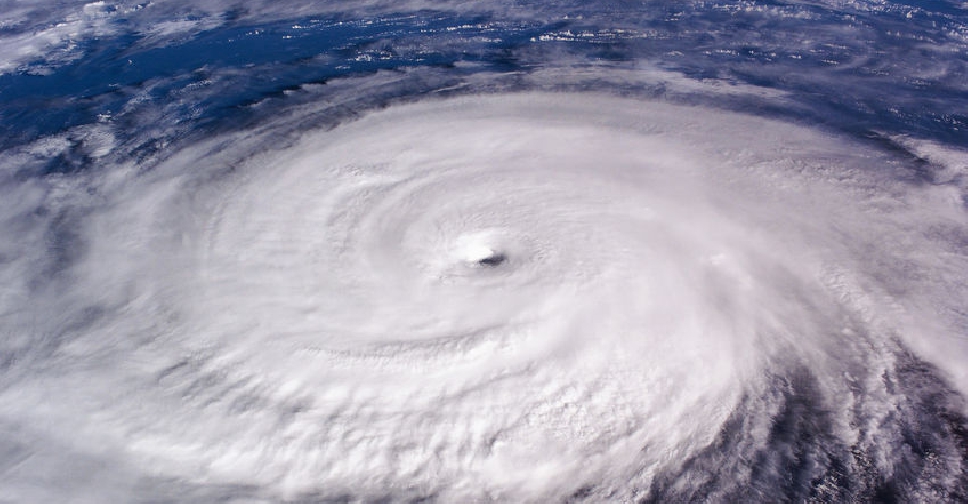 Cyclone lashes New Zealand's North Island, hundreds evacuated