India’s Prime Minister Narendra Modi has officially inaugurated the Navi Mumbai International Airport — a state-of-the-art greenfield airport.
Developed under a public-private partnership, the project is being operated by Navi Mumbai International Airport Ltd., a joint venture between Adani Airports Holdings, which holds a 74 per cent stake, and CIDCO, the Maharashtra government’s urban development body.
Located in Ulwe, around 37 km from South Mumbai, the airport spans nearly 2,900 acres. It’s expected to ease the pressure on Mumbai’s existing international airport and position Navi Mumbai as a global hub for aviation and logistics.
The terminal design is inspired by the lotus, India’s national flower, and features striking architectural elements.
Phase one, launched on Wednesday, includes a single integrated terminal capable of handling 20 million passengers annually, with future expansion planned to boost capacity to 90 million.
It's expected to commence operations in December.
The facility includes two parallel runways, 66 check-in counters, 29 aerobridges, and fully digital, contactless processing through the Digi Yatra platform.
The cargo terminal is equally high-tech, with smart tracking, drone handling zone, and temperature-controlled storage for pharmaceuticals and perishables.
Navi Mumbai International Airport is also being touted as a smart and green airport, featuring 5G connectivity, solar power generation, rainwater harvesting, EV transport and a fully paperless, digital passenger experience.

 At least 14 killed in explosion at weapons depot in Syria
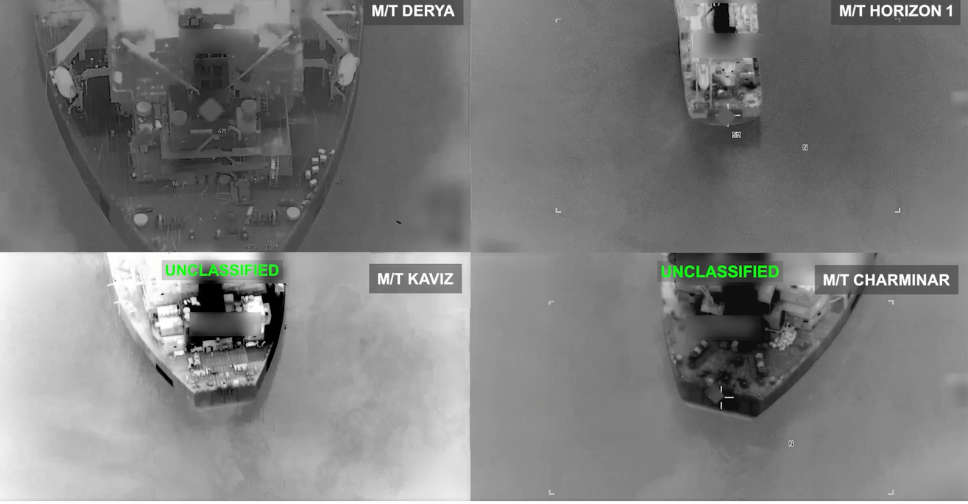 US hits five Iranian oil tankers after attack on Navy ships
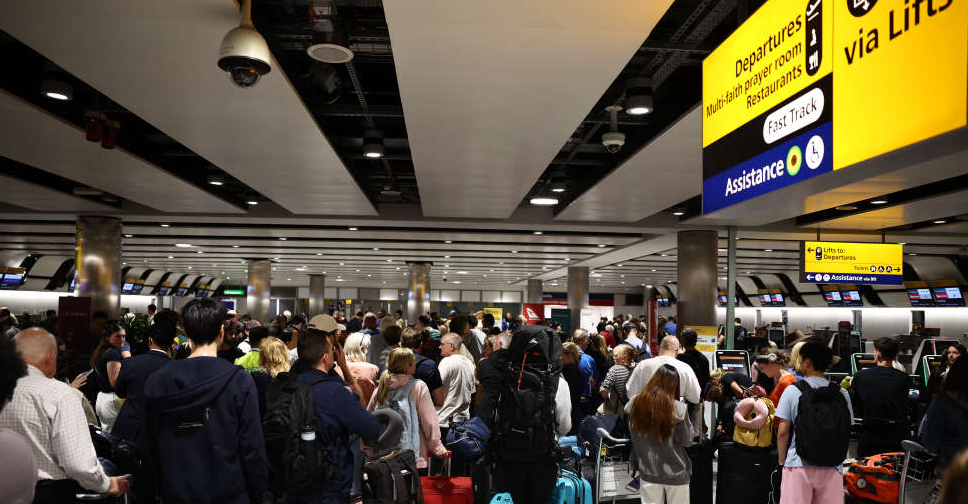 UK gives air traffic provider a week to probe outage that halted flights
 Serbia's President Vucic dissolves parliament, calls snap elections
 With large crowds attending, Norway lays King Harald to rest