India announced rules on Monday to implement a 2019 citizenship law, weeks before Prime Minister Narendra Modi seeks a rare third term.
The Citizenship Amendment Act (CAA) grants Indian nationality to Hindus, Parsis, Sikhs, Buddhists, Jains and Christians who fled to Hindu-majority India from Muslim-majority Afghanistan, Bangladesh and Pakistan before December 31, 2014.
Modi's government had not crafted implementation rules for the law, after protests and sectarian violence broke out in New Delhi and elsewhere within weeks of the law's December 2019 enactment. Scores were killed and hundreds injured during days of clashes.
"The Modi government announces implementation of Citizenship Amendment Act," a spokesperson for the prime minister's office said in a text message.
"It was an integral part of BJP’s 2019 manifesto. This will pave (the) way for the persecuted to find citizenship in India," he said, referring to the ruling Bharatiya Janata Party's (BJP) 2019 election manifesto.
A Home (interior) Ministry spokesperson said the rules will enable those eligible under CAA-2019 to apply for grant of Indian citizenship, and that applications would be submitted online via a web portal that had been provided.
Muslim groups say the law, combined with a proposed national register of citizens, can discriminate against India's 200 million Muslims - the world's third-largest Muslim population. They fear the government might remove the citizenship of Muslims without documents in some border states.
The government denies it is anti-Muslim and says the law is meant to grant citizenship, not take it away from anyone, and has called the earlier protests politically motivated.
Modi swept to power in 2014 and has consolidated his hold. Opinion polls suggest he will comfortably win a majority in a general election that must be held by May.
The main opposition Congress party said Monday's announcement was motivated by the approaching election.
"After seeking nine extensions for the notification of the rules, the timing right before the elections is evidently designed to polarise the elections, especially in West Bengal and Assam," Congress spokesperson Jairam Ramesh said on X.

 US military to begin Iran maritime blockade on Monday
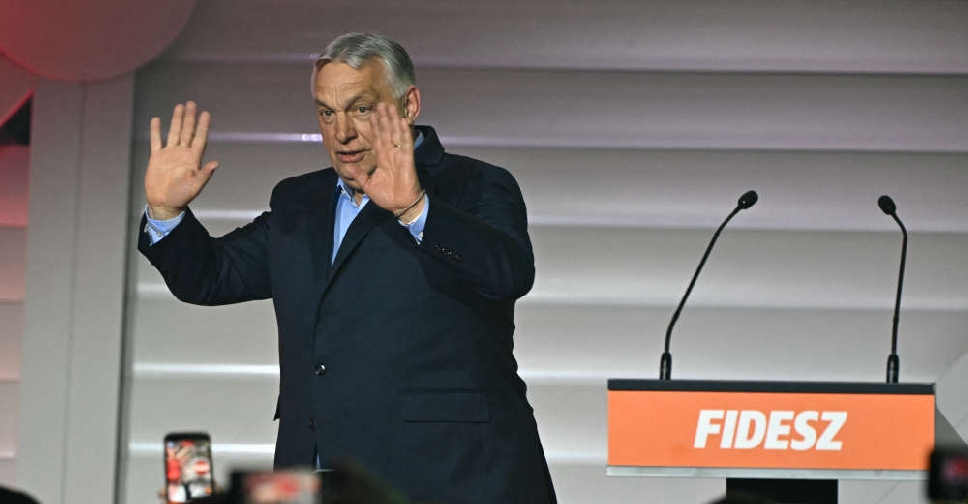 Hungary's Orban concedes landmark election defeat
 Trump vows to blockade Strait of Hormuz after Iran peace talks stumble
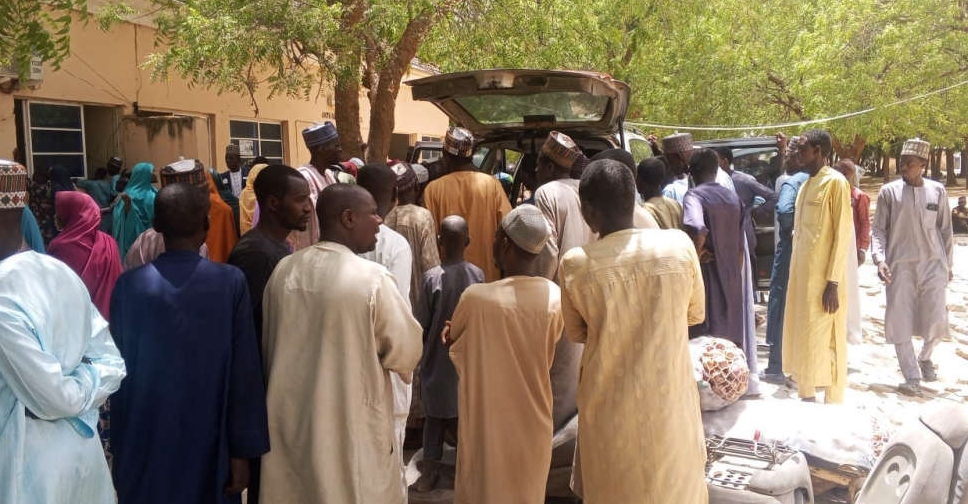 Nigerian airstrike hits market, 200 feared dead
 Russia, Ukraine trade accusations of ceasefire violations